Mycotoxins: The signs in the pit indicating a serious issue
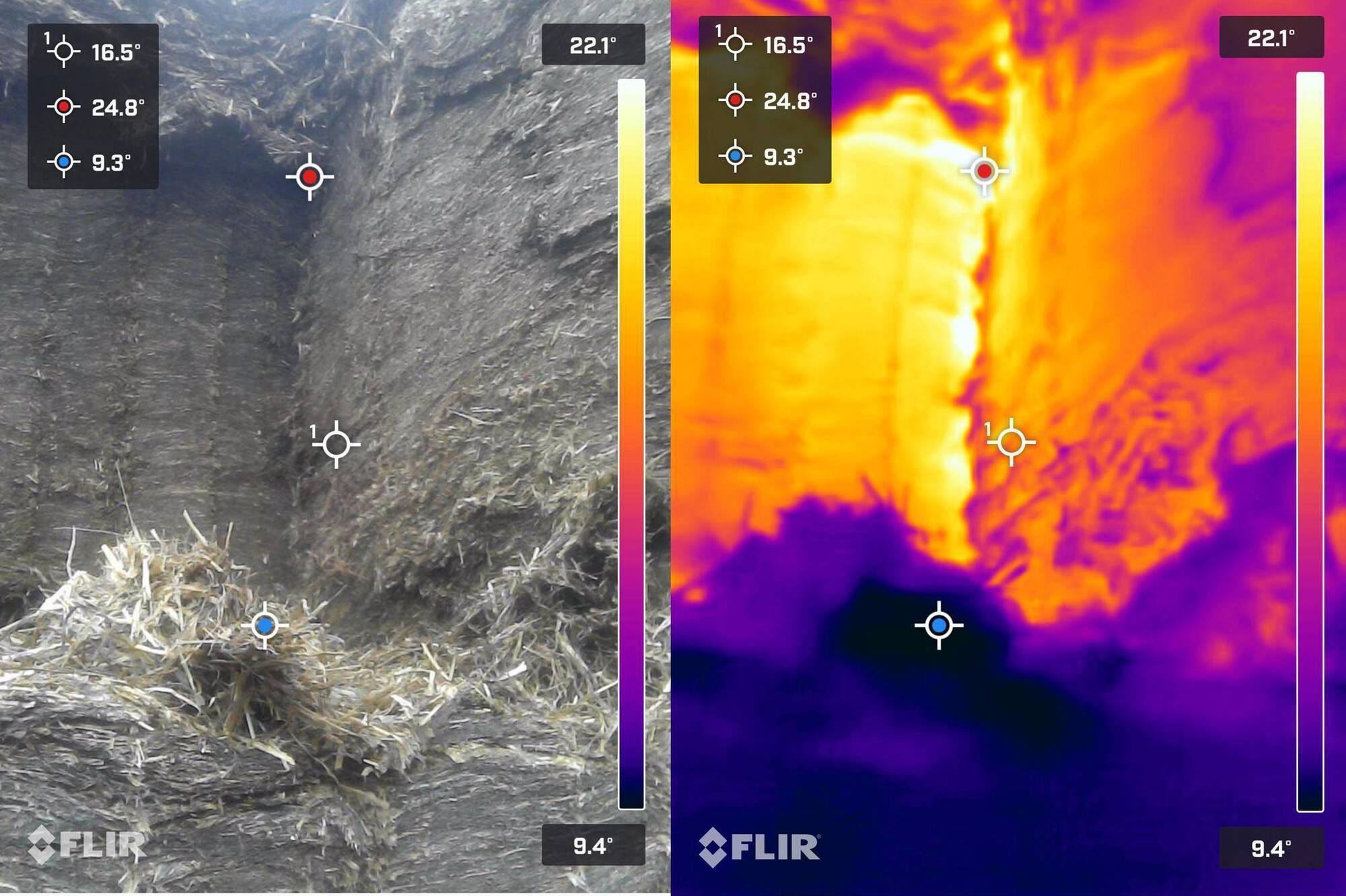
Excessive heat like this can be a sign of something wrong in a silage clamp, warns ruminant nutritionist Brian Reidy. Picture: Brian Reidy.
As dairy cows have been calving over the last few weeks, I have begun to see more and more herds under mycotoxin stress. Many silages of all descriptions made in 2023 are causing a wide variety of issues, and these must not be ignored.
Many crops of grass were ensiled in less-than-ideal conditions last year, and this has led to a challenging environment in which to keep toxins out of feed stores.
Crops such as wholecrop and maize were also harvested in tough conditions, where clay may have ended up in pits unintentionally. If we then mention the elephant in the room, as in pits not being consolidated/filled properly, then oxygen is not eliminated, and the mycotoxins can multiply rapidly, both in storage and at feed out.
Some grass swards were also exceptionally dry standing before they were ever mowed down, particularly in late May/early June, and the mycotoxin issue in these crops has been brought about by overwilting and the delayed harvesting of these swards.
These forages are much too dry in pits and bales, and this is reflected in the poor preservation with very high pHs being detected.
Obviously, most farmers will discard the visible moulds on the top and sides of pits or the outer layer of bales. However, if mould exists visually in the clamp or bale, then there is likely to be plenty of mould that you can’t see.
Moulds are highly likely to be high in harmful mycotoxins. However, you can have a high level of mycotoxins without signs of visual moulds.
Mycotoxins are toxic contaminants which are produced by moulds and can be found in mixed feed, forages and straights, affecting animal health and feed efficiency.
They reduce the bug population in the rumen causing poorer nutrient and mineral absorption/digestion. Essentially, there is a battle between good bugs and bad bugs in the rumen, and if the bad bugs win out, then the food consumed is not utilised efficiently.
Furthermore, the bad bugs can have a hugely detrimental effect on the animals' immune response and general health.
Some common animal health signs to look out for include:
- Blooms in Mastitis cases;
- Swollen legs and hocks;
- Scoury animals with oily consistency and a pungent smell;
- Variable intakes from day to day;
- Underperformance in weight gain and milk yields;
- No or poor signs of heat;
- Dull coats and lethargic cows/cattle;
- Poor solids, low lactose;
- Pink eye infections.
There are also signs that you could have a mycotoxin issue, that can be spotted when looking at your feed:
- Excessive pit face moulding/spoilage;
- Obvious heating;
- Spores visible on straw;
- Silages discolouring very fast.
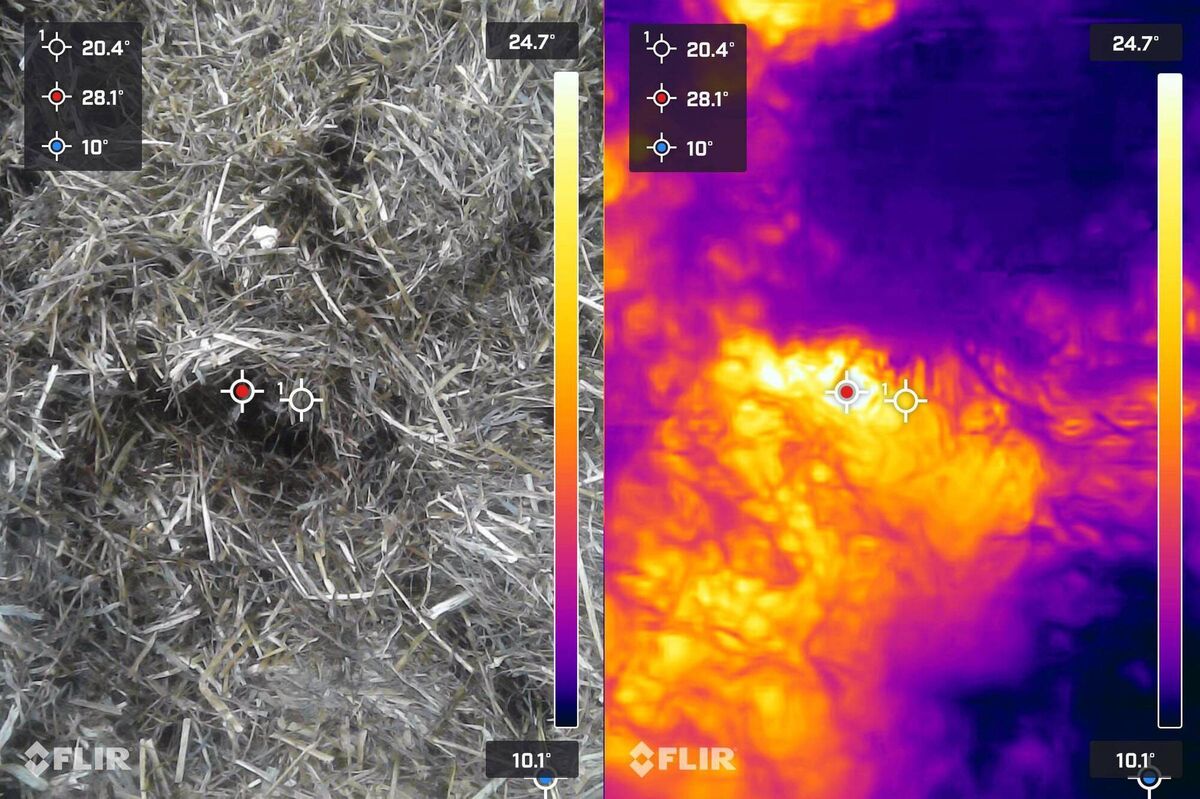
I have seen grass silage pits with as high as 28 degrees C at the face within hours of silage having been removed, and that was on a day when ambient temperatures were at 4 degrees Celcius. Hot forages are never a good thing!
It is possible to test for mycotoxins, however, this can be a costly exercise and can take a long time for results to return. One way to establish if you have an issue is to include a mycotoxin binder in your diet to see if your animals respond.
A positive response to the binder should be pretty quick if you have an issue. I have seen some significant responses in the last few weeks, with animals eating significantly more feed, dungs firming up and improved performance.
Obviously, including a mycotoxin binder in a diet is no excuse for poor management, so you still need to practice good pit management and discard obvious moulds.
Mycosorb A+ is an excellent mycotoxin binder that I have seen to give excellent mycotoxin control in various situations. It can be added to your minerals, your compound feed or added to a TMR with the inclusion of a farm pack.
One interesting thing about mycotoxins is that sometimes you can see that a feed may have mycotoxins in it but may seem harmless until another ingredient is added to the diet and triggers the mycotoxins to affect the animals it's fed to.
If you have a mycotoxin issue, the material you suspect as being the culprit may actually not be the problematic material.