Kieran Coughlan: Should I trust to leave my farm to the next generation?
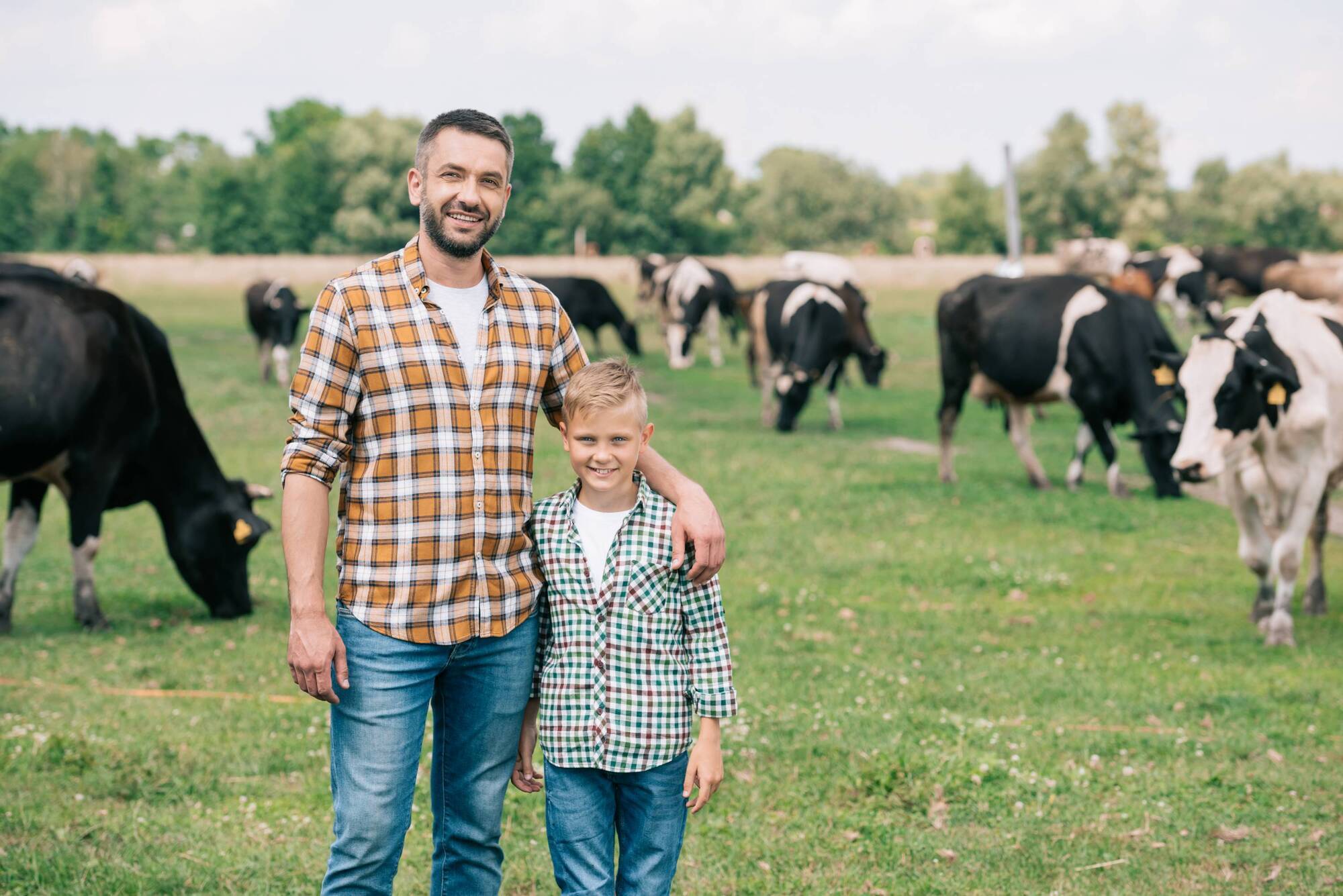
Investing a bit of time into how your assets should be divided up and considering whether you want to use a trust in your will is an exercise well worth doing
Kieran Coughlan: Should I trust to leave my farm to the next generation?

A bare trust is one which applies assets toward a specific beneficiary. An example could include a will prepared by a parent which states that a particular asset is to be appointed to a child upon reaching the age of 18. Picture: iStock

Discretionary trusts and trusts have fallen out of favour over the past few decades. 

Historically, they were used as methods to protect property, to delay the transfer of property to individuals until they were ‘of age’, and in some instances, to avoid inheritance-type taxes whereby property would be carried down multiple generations whilst remaining within a trust along the way or offshoring property — as such the taxes paid were the only reference to what was taken out from the trust.


The tax rules tighten up on some of the more aggressive uses to which trusts were put, but the foregoing reasons for setting up a trust are still valid and carry weight. There are a variety of different trusts, which can make them a little off-putting, such as bare trusts, fixed trusts and discretionary trusts.

For simplicity, a bare trust is one which applies assets toward a specific beneficiary. An example could include a will prepared by a parent which states that a particular asset is to be appointed to a child upon reaching the age of 18, the will can include conditions such that the income generated by the asset is applied towards the child's maintenance and education until they reach 18.

A discretionary trust, as the name suggests, includes a degree of discretion. These types of trusts are useful where it is difficult to ascertain what the benefits are likely to amount to in the future or where the person making a will is concerned, as with the maturity of the beneficiaries closer to the time that the assets are to be distributed.

Many wills prepared by parents simply say that the assets are willed to each other, and in the event of the spouse's predeceasing, the assets are left equally to the children. This is perfectly acceptable but sometimes ends up impractical.

In the case of farmers, where one child, on reaching maturity, clearly has a strong interest in farming, the willing of assets to the child and his or her siblings equally will have removed the option of the farm having been conveyed somewhat intact to that child.

Discretionary trusts

The use of a discretionary trust would allow trustees appointed by the deceased to weigh up the situation at that time and vary how the assets are split, which should be in accordance with the intentions made known by the deceased. The accompanying of the will with a letter of wishes and an indemnity for the trustees would be hugely helpful in just such a scenario.

Another example could include a farmer with potential development land and other assets. At the point of making a will, an individual cannot predict either when they will die and when their children reach the age of majority or say 21, whether the land will have future development value, or will retain its agricultural status, whether it will have been sold in the meantime or whether other assets will have accumulated in value to compensate.

An individual seeking to be even-handed to their children could consider using a discretionary trust as a means of allowing the appointed trustees to assess the position at that future time to apply the benefits arising from the will in a more even-handed manner than could be predicted at that stage.

Similarly, parents who may be concerned that their children may not be mature enough to receive a benefit at a specific point in the future (either on their death or on reaching 18 for example) can use a discretionary trust to allow trustees make a decision as to whether assets should be retained or distributed, depending on their views at that time.

The benefactors of the trust can be specific, so, for example, there is no danger that the trustee would, for example, appoint property to persons other than those named.

Similarly, the trust could cater for a minimum disbursement such that no beneficiary would be left with say a wholly unequal share. 

Taxes on trusts

There are quite different and complex rules as to how trusts are taxed including capital taxes such as capital gains and gift/inheritance tax and income tax during the period over which the trust operates, with the rules differing between bare trusts and discretionary trusts.

Nonetheless, the rules can be navigated, and looking at the bigger picture, the use of trusts can make an awful lot of sense, particularly in the case of minor children and, indeed, in the case of grandchildren.

A once-off and an annual tax can apply to discretionary trusts, but in the case of trusts set up for children, the once-off and annual taxes do not come into play until the youngest child reaches the age of 21, meaning that trusts can still be a very efficient manner of appointing assets to children through a will.

Investing a bit of time into how your assets should be divided up and, indeed, considering whether you would like to have trustees you appoint to have some discretion over when and how and to whom your assets are to be appointed is an exercise well worth doing. Individuals should obtain professional advice relevant to their own specific circumstances.

x

More in this section

Farming

Newsletter

Keep up-to-date with all the latest developments in Farming with our weekly newsletter.

Cookie Policy Privacy Policy Brand Safety FAQ Help Contact Us Terms and Conditions

© Examiner Echo Group Limited