Sourcing calves: What dairy-beef calf rearers should look for in 2024
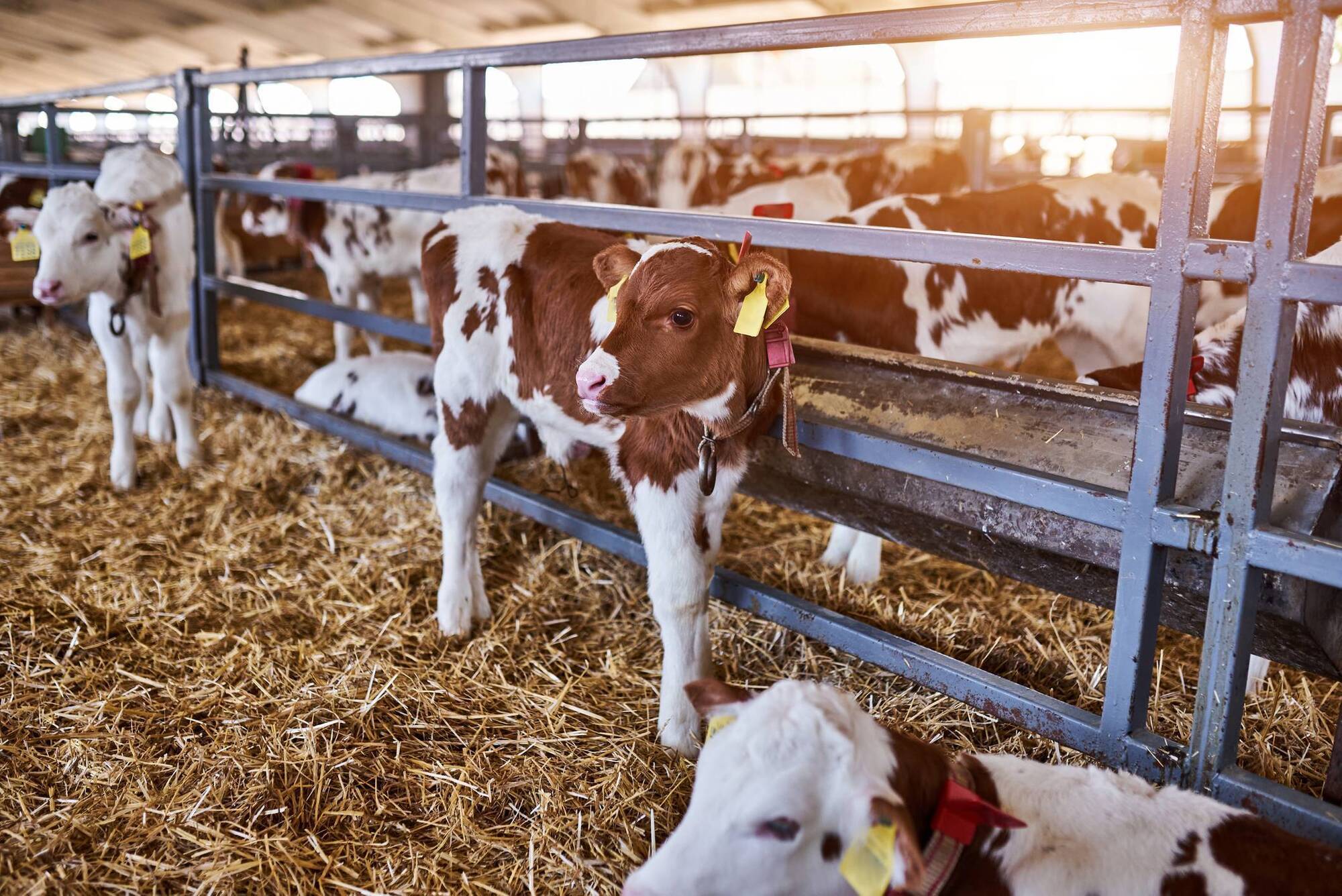
The genetic makeup of the calf is critical warns Teagasc DairyBeef 500 advisor Tommy Cox.
What do farmers rearing dairy beef calves need to look out for when sourcing calves?
“When you’re sourcing a calf, what you want is a problem-free animal, an animal that isn’t going to give you any bother throughout the rearing phase”, said Teagasc DairyBeef 500 advisor Tommy Cox, speaking to Catherine Egan on a recent Beef Edge podcast.
"What our farmers are doing is buying them from a trusted source. They’re buying directly off farms which they’ve been dealing with for years. They’ve a relationship built up, and they’re happy with the calf they’re getting”.
Nearly 2,500 calves are reared on Dairy Beef 500 farms annually as part of Teagasc’s campaign to maximise the potential of beef production from the dairy herd (there are about 15 of these farms, promoting and demonstrating DairyBeef systems with a net profit margin target of €500 per hectare before subsidies).
“You’re looking for a calf that’s good and healthy, a clean damp nose, bright eyes, he’s alert when you walk into a pen, and no visible signs of any illness or ailment, such as scour, navel ill, or anything like that”, Tommy said.
The genetic makeup of the calf is critical. The Commercial Beef Value (CBV) selection tool enables those rearing calves to assess five traits: carcass weight, carcass conformation, carcass fat, docility, and feed intake.
Cattle with a high CBV will, on average, be faster growing, better shaped at slaughter, leaner, and will not eat as much per kg of liveweight gained. They will also be more docile. The CBV is expressed as a € value. Generally, higher CBVs will mean better performance and higher carcass value.
“Our farmers will be looking for calves with sires recorded against them. Generally, if they’re looking for calves, it’s within the four or five-star bracket across the breeds”, Tommy said.
Any farmer rearing calves can ask a source dairy farmer with an ICBF HerdPlus profile for details of their CBV data. “That will give them an indication of the star rating of the calves”, Tommy explained.
“Most of our farmers would be sourcing calves relatively locally, so there isn’t a massive amount of stress being put on calves travelling long distances. They’re sourcing calves within an hour or so, when possible”, Tommy said.
If calves are travelling further, they’re offered electrolytes for the first feed upon arrival on the rearing farm.
Milk replacer feeding starts after that. “Selecting the right milk replacer is hugely important”, Tommy said. “It’s the main part of the calf’s diet”. A protein content in excess of 20% is key, he said. Replacer should have a fat content of 18-20%, an ash content of about 8%, and fibre content no greater than 0.15%.
“The big one that you’re looking for is the milk-derived proteins, either from skim, milk powder, or from whey protein”, Tommy said. For the first two or three weeks of a calf’s life, milk-derived proteins are the only proteins it can digest efficiently.
“You want a powder that’s easily mixed as well”, he said. No residues should be left on mixing equipment. “If that’s the case, the formulation isn’t completed correctly, and the calves aren’t getting the correct consistency of milk replacer”, Tommy explained.
There is considerable variation in calf-rearing systems. “The big thing is to continuously monitor your calves”, Tommy said. Hygiene is crucial. Feeding equipment should be regularly cleaned, with continuous checking of teats on automatic feeders to ensure they’re working correctly.
“None of our farmers would be feeding once a day until the calf is at least 35 days old,” he said. “They would be feeding six litres a day up to when the calf is at least 35 to 40 days of age, and then they would be stepping back the milk replacer”.
As milk replacer is reduced, the calf will be eating an increasing quantity of concentrate. Developing the calf’s rumen is a key objective in the early rearing period, so that they will be able to digest grazed grass from the first summer onwards. The starter ration plays a vital role in developing the rumen. Feeding the calf a palatable starter calf ration should commence as soon as it arrives on farm, keeping that starter ration fresh and clean, and trying to encourage consumption. “That’s a key key area. Once the calf’s rumen is developed, you shouldn’t have that many setbacks out at grass”, Tommy said.
“Most of our farmers would be weaning the calf more on weight rather than age”, Tommy said. “When the calf is eating in excess of or close to two kilos of meal per head per day, they’re stepping back the amount of milk replacer, and once the calf generally hits 80-90kg, they’re taking them off the milk replacer”.
Some farmers use straw instead of hay to prevent potbelly in calves. “It’s an easier roughage for calves to feed on and digest”, Tommy said. “Water is crucially, crucially, hugely important. It’s important for the development of the calf’s rumen, and it’s important for them to keep hydrated. That will also entice the concentrate intake”.