Kieran Coughlan: The loss of derogation will ripple beyond affected farmers
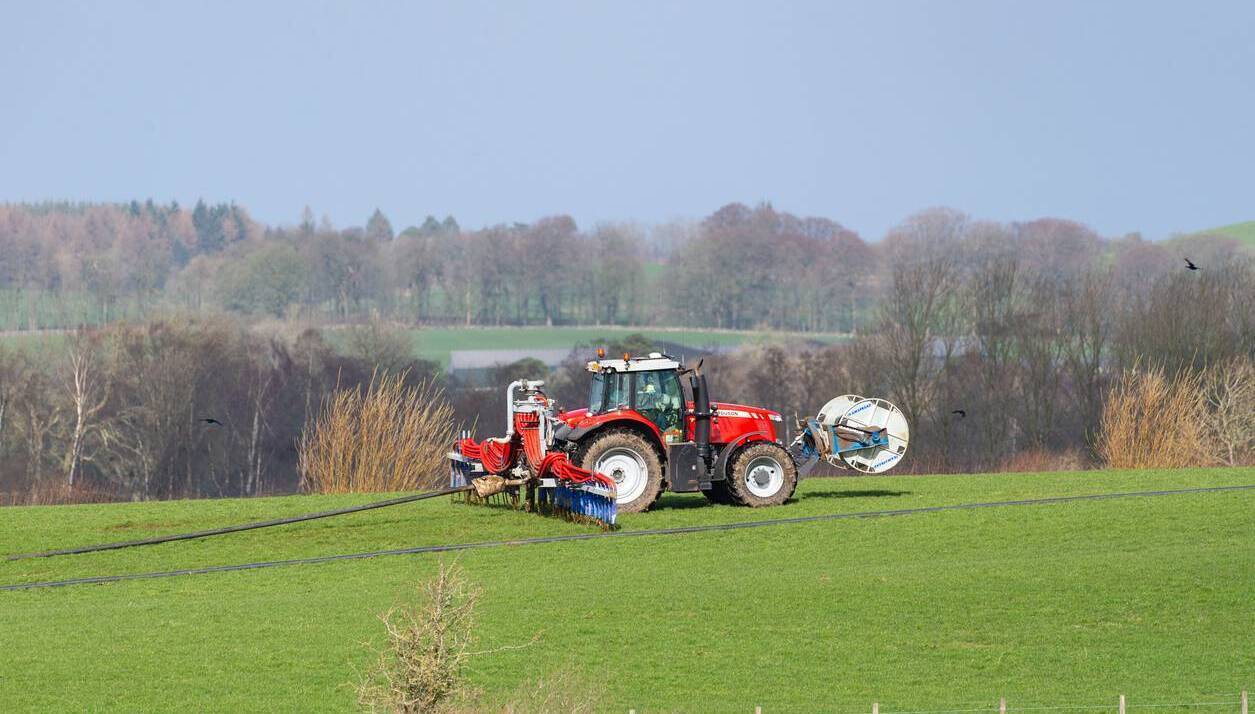
More than 12,000 slurry application systems have been grant-aided since 2014 as farmers stepped up to do what was asked of them.

The drop in nitrates derogation rates is a fiasco. As farmers, we knew the derogation was going to be subject to a review and we also knew the derogation itself was just that — a derogation from the norm, but from a farmer’s perspective the unravelling of the derogation has been wholly frustrating.
To the untrained eye, it might seem like this is just an issue for a small percentage of our farmers, a couple of thousand at most. The reality is the loss of derogation will affect the majority of farmers in the country, who will likely face increased land rent costs, and land purchase costs not to mind the secondary impacts affecting rural employment, agricultural contractors and service providers as the ripple spreads out from that cohort most affected.
Over the past five years, especially in recent years, farmers, and not just those within derogation, have stepped up to do what was asked of them.
Take the application of slurry via trailing shoe or dribble bar. Over 12,000 such slurry application systems have been grant-aided since 2014, and, of course, a cohort of tankers fitted with low-emission application methods pre-existed before 2014 and have been bought since, absent of grant aid.
Farmers have bended to meet the changes to stocking rates which are now linked to production volume. Farmers have undertaken soil testing and engaged in mandatory liming programmes in order to increase soil fertility with a view to reducing fertiliser usage.
Farmers through their own co-op sustainability programmes have begun to adopt protected urea as their fertiliser of choice. In 2022, the use of protected urea increased by 59%, according to the IFA albeit from a low base given it is a relatively novel product. Farmers have abided by the new post-cropping stubble cultivation rules and increased buffer zones.
Despite having done what was asked of them, the stocking rates for certain farmers are set to reduce from January 1, depending on where they are geographically located.
Farmers are rightly angry when asking what was the point of making all of these changes when the rug is being pulled out from under them and in some respects without having given some of the measures enough time to take effect?
Whilst the writing seems to be on the cards for 2024, the great fear now among farmers is if they roll over on this then what is stopping the total withdrawal of the derogation in 2025, meaning an even lower stocking rate and erosion of farm profits.
Farmers who were looking at investing in further slurry storage to meet yet more new rules introduced this year and future-proof their holdings are now pulling back.
The advice has now switched from making sure you are ahead of the game to avoiding taking on farm debt for concrete where future repayment capacity may be significantly undermined if stocking rates are further reduced in 2025.
The Dairy Cow Reduction Scheme was meant to be decided upon by the end of September. This was held out by many as a legitimate avenue to reduce stocking rates in a planned approach with appropriate compensation and without the fire sale which is now happening in the young stock and cull cow market as farmers affected by the new rules try to correct their positions in advance of 2024.
On the ground, it seems like there is a significant number exiting dairying and significantly more exiting than those getting in. For an odd time of the year, there is at least one if not two clearance sales per week in local marts, which is ominous for the dairy industry.
A blanket approach has been taken based on catchment areas, disregarding the soil type of individual farmers, their grazing platforms, the efforts on the farm to control runoff and any other host of measures which would better inform the decision.
Standing up against the incessant changing of the goalposts is definitely a worthy cause if not for you, then for those who come after you who will be hamstrung by layers and layers of bureaucracy.