'The small growers have gone': 250 fresh produce growers remain amid increasing challenges
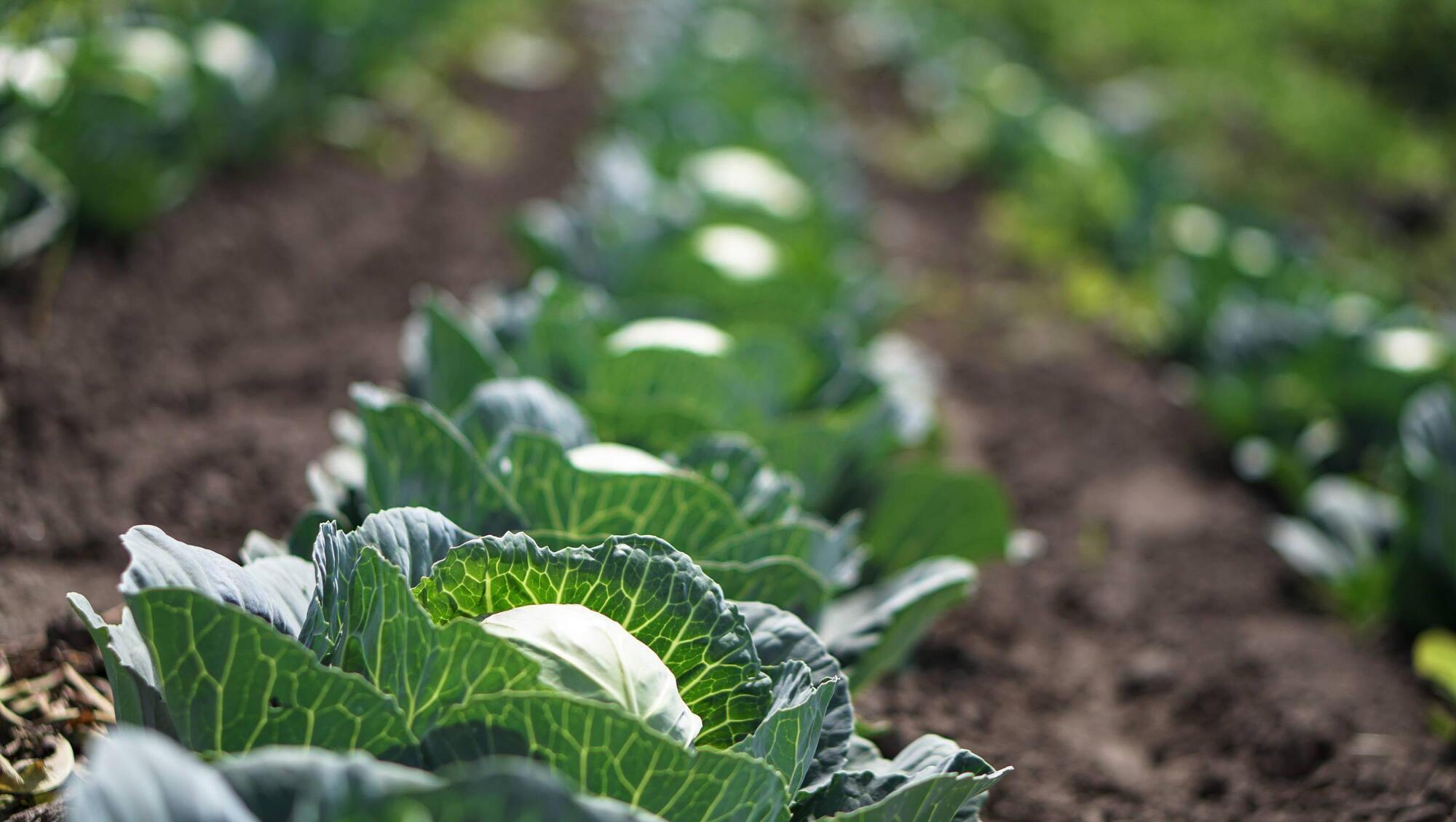
Recent seasons have been challenging for the fruit and vegetables sector, with a number of contributing factors.
250 fresh produce growers remain in the country with businesses becoming "more specialised" and "heavily invested" in order to remain competitive "in an increasingly challenging environment", according to Bord Bia's director of horticulture Mike Neary.
He has revealed in recent days that there are only around 60 growers left in field vegetable production in the country, and there are about 300 commercial potato producers.
Mr Neary said there are just seven tomato growers left, and one leek producer.
"Over quite a number of years, smaller growers have exited and larger growers took up the production," Mr Neary told the Oireachtas joint committee on agriculture, food and the marine.
"Taking the fruit and vegetable sector as an example, we did a census in 1998 and there were about 400 growers."
Recent seasons have been challenging for the fruit and vegetables sector, with a number of contributing factors, Mr Neary said.
"Key challenges include the high costs of energy and overall higher costs for key inputs; the difficulty of securing sustainable returns from a competitive marketplace to cover increased costs and capital investments; access to and availability of an adequate supply of labour, particularly in the busy growing and cropping season," he outlined.
"These challenges all arise in the context of growing crops in a climate that can be difficult and challenging at times. We have seen that this year, with periods of drought followed by excessive rainfall, which have a significant impact on the field and harvesting operations."
The horticulture industry had an estimated output value of €531m in 2022 at farm gate prices.
Food crops represent more than 80% of this output value, at €431m.
"In many sectors, the actual area stayed similar for a number of years," Mr Neary said.
"What we started to see happening in more recent years is that we have a smaller number of growers in each sector and if one of those growers is lost, then we start to lose area and acreage of crop as well. That is why there is a concern.
"The small growers have gone. The larger growers, which we call commercial growers in Ireland, would be most threatened."
In 2022, Ireland imported about €850m worth of produce, amounting to about 600,000 tonnes, Mr Neary told the committee.
"Roughly €577m of that value was fruit, which is the biggest import source. That includes exotic fruits such as bananas and oranges. There is seasonality," he explained.
"At certain times, we cannot grow crops, so we have to have imports coming in. If I am asked if there are crops we can grow in season here, we definitely can grow more.
"For example, we have been doing work to try to look at import substitution opportunities, such as growing more fresh potatoes for the chipping trade. That import figure is roughly 50,000 tonnes per year.
"We are working in collaboration with Teagasc, the IFA, and the Department of Agriculture to try to encourage the uptake of the production of potatoes that can go into the fresh chipping trade. That is starting to get some traction and we are starting to make progress."
Ireland also imports 65,000 tonnes of apples each year, and the country is around 3% to 4% self-sufficient.
"There are challenges with growing apples in our climate but we have some very good apple growers that are supplying the market and get a good response from the marketplace. New orchards have been planted in Ireland over the last couple of years. It is a small area that is starting to build," Mr Neary said.
"Food security is important and horticulture should continue to play a central role in maintaining national food security for fresh produce."
He told the committee that current consumer trends are "creating opportunities" to grow demand for fresh produce.
"The Irish public is currently consuming below the recommended number of daily portions of fruit and vegetables. This presents an opportunity for growth."
Professor Thia Hennessy of University College Cork told the committee meeting that as part of deliberations in the development of the Food Vision 2030 strategy, "we felt the expansion of the horticultural sector presented significant diversification opportunities, as well as opportunities to reduce the contribution of agriculture to climate change".
"We felt that the expansion of the horticultural sector is justified in the context of our significant reliance on imported vegetables and fruit, with 83% of our national consumption imported," she said.
"It is also justified in the context of growing consumer trends towards the increased consumption of fruit and vegetables in Ireland."
She also commented that over the past year, there has been "significant inflation" in food prices and consumers are dissatisfied.
She said that the new agri-food regulator "has the challenge of balancing consumer expectations and delivering a fair price for producers".