Sheep farmers 'frustrated' as they urge Government to use Brexit fund to support the sector
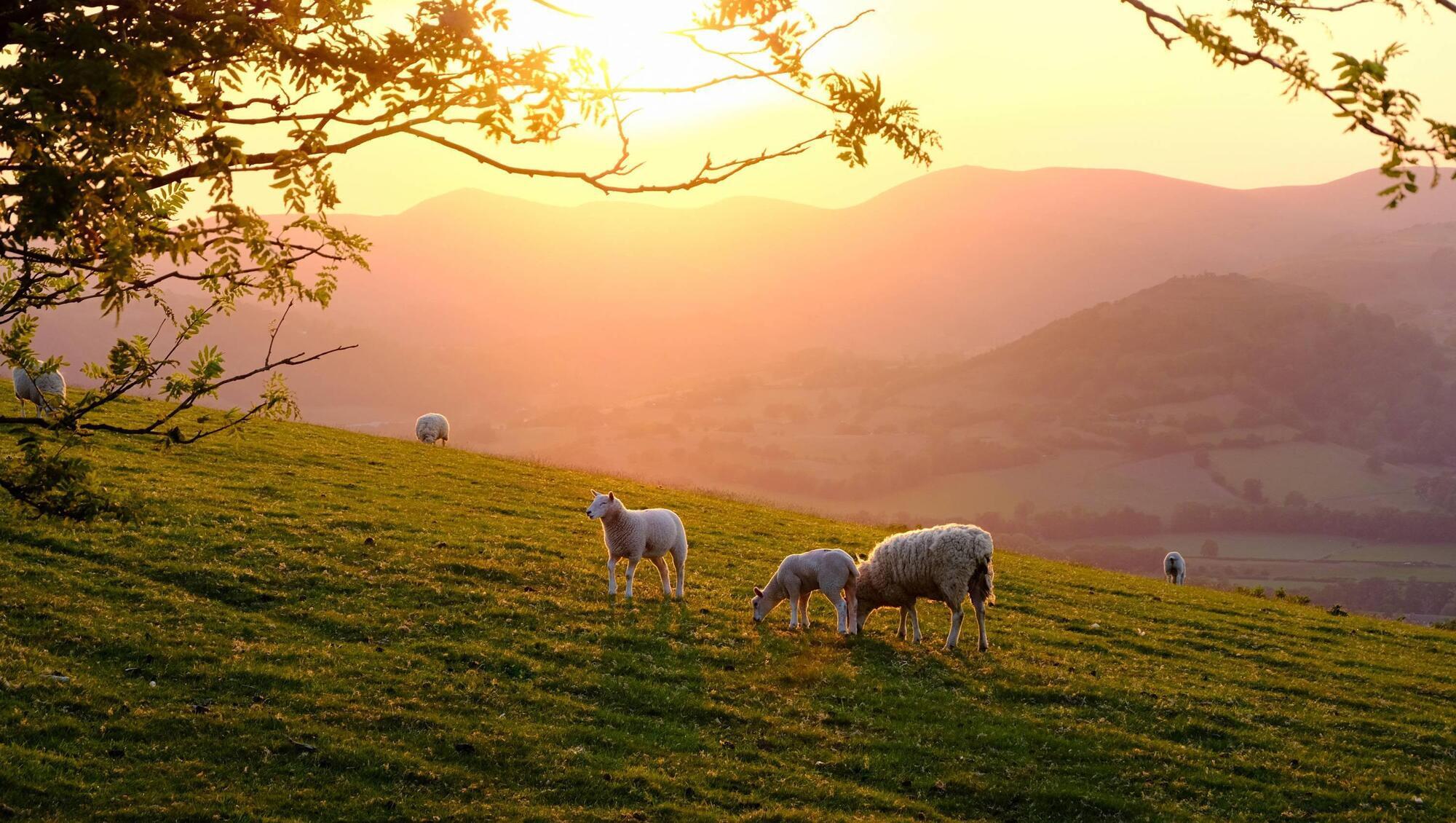
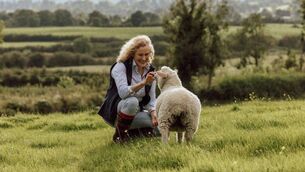
The sheep sector "is in trouble", and unlike other sectors, "sheep price did not increase significantly in 2022 despite escalating costs", the Irish Cattle and Sheep Farmers Association has said.
Sheep farmers are "frustrated" that the Government has "failed to find a way to justify the use" of the Brexit Adjustment Reserve fund to support the sector in light of its "income crisis", the Irish Cattle and Sheep Farmers Association (ICSA) has said.
Addressing the Oireachtas Joint Committee on Agriculture, Food and the Marine this week, the ICSA's wool steering group chairman Fergal Byrne said that the sheep sector "is in trouble", and unlike other sectors, "sheep price did not increase significantly in 2022 despite escalating costs".
Mr Byrne told the committee that the "increase in New Zealand imports this year, and a new UK-New Zealand trade deal which will add a potential further 35,000 tonnes under a tariff rate quota" will add "further pressure to the EU sheep sector", which is already impacted by New Zealand imports under the previous World Trade Organization agreement.
"Prior to Brexit, this was set at some 228,000 tonnes. However, post-Brexit it might have been expected that the UK would have taken the majority of that quota with them, given that the UK was the strongest trading partner with New Zealand for lamb of any EU member state," Mr Byrne said.
"However, the quota was divvied up on a 50/50 basis. The fact that the UK then went on to negotiate a further 35,000 tonnes quota with New Zealand demonstrates that they should have taken a bigger proportion of the original 228,000 quota.
"In addition, the EU has gone on to do a free trade agreement with New Zealand which will add another 38,000 tonnes of sheepmeat, albeit not in the immediate future [seven-year timescale]."
The ICSA told the committee that it "can't understand how the sheep sector is not eligible for Brexit Adjustment Reserve funding, even though it has been used for genomic tagging in the cattle sector".
The Brexit Adjustment Reserve was created by the EU to support all member states in managing the impacts of Brexit.
Ireland, as the member state most affected, received the biggest allocation at a value of over €1bn.
Mr Byrne also told the committee that his organisation believes that efforts to grow the value of lamb for farmers "are not enough", with more funding needed for promotional activities.
He added that the ICSA is "disappointed that no progress has been made in developing access to the US market even though technically, it is open".
In addition to the discussion around meat prices at this week's Oireachtas committee hearing, with the ICSA saying that the sheep sector "has no future if all we can get is breakeven prices or even a profit of €7 per ewe", much of the meeting was focused on markets for other outputs from sheep farms, such as wool and milk.
While the ICSA welcomed the establishment of the Irish Grown Wool Council this year, Mr Byrne said "it is now necessary to ensure that it doesn’t become just a talking shop".
"The key logjam is that with wool essentially valueless for the farmer, there is no logic or incentive to rolling fleeces correctly and removing daggings," he told the committee.
"But unless farmers do this task, it becomes impossible to add value to wool from a processor point of view.
"Therefore, the solution is to provide a payment of €5 per ewe for wool presented correctly which would kick-start the wool sector until value-added products could be developed."
He said he believes there is a lot of potential to develop wool-based products "in an era where natural products are back in fashion".
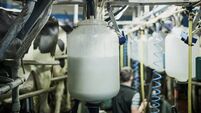
Representatives from Enterprise Ireland attended the meeting this week, with Mark Christal, divisional manager for food, telling the committee that it would "support innovative, export-focused businesses that seek to develop" sheep milk into a commercial product.
In the main, Enterprise Ireland focuses on two main categories of companies: established companies/brands with an exporting footprint, and start-up companies looking to bring added value to Ireland’s food sector.
It is "not in our remit to support primary producers – what is produced within the farm gate", Mr Christal told the committee, with the main focus at present in this sector being "to support processors exporting cuts of lamb to a range of markets, in partnership with our colleagues in Bord Bia who focus on the marketing opportunities in these markets".
For any farm looking to diversify into sheep milk production, there may be scope to access support, however, when it comes to processing.
"We’re limited in what we can do at the primary production level. Where we come in is if there’s a processing capability and we’re happy to talk to anybody if there’s anything we can do in respect to that. It’s where the processing is happening we can play an active role," Mr Christal explained.
"We don't fund the primary producer, that's not our remit. We're supporting those companies where there's potential for the company to grow.
"It's not that the company is going to come in and say 'we can show you immediate sales of €1m or it's going to employ 10 people', it's the potential to get there."
Enterprise Ireland will look at both the domestic and export market capabilities, Mr Christal explained.
"Once that's determined, then the role Enterprise Ireland plays is supporting companies at all stages of their growth," he said.
"The message is: if you're a company that has a processing facility that's established, that has the potential to make sales and to export that product, then it is the role of Enterprise Ireland to row in behind the company and support the company on that journey."
Enterprise Ireland's Gerard O'Flynn added that sheep milk is an area "we don't have a lot of experience in, we have dealt with a few projects".
"I would say it's very much in the embryonic stages. We certainly have applied some start-up supports to a very small number of companies," he said.
"A lot is dependent on supply as well and that’s not an area that’s particularly well developed in Ireland at the moment when you compare it to the dairy sector."