Views sought as National Carbon Farming Framework to be developed
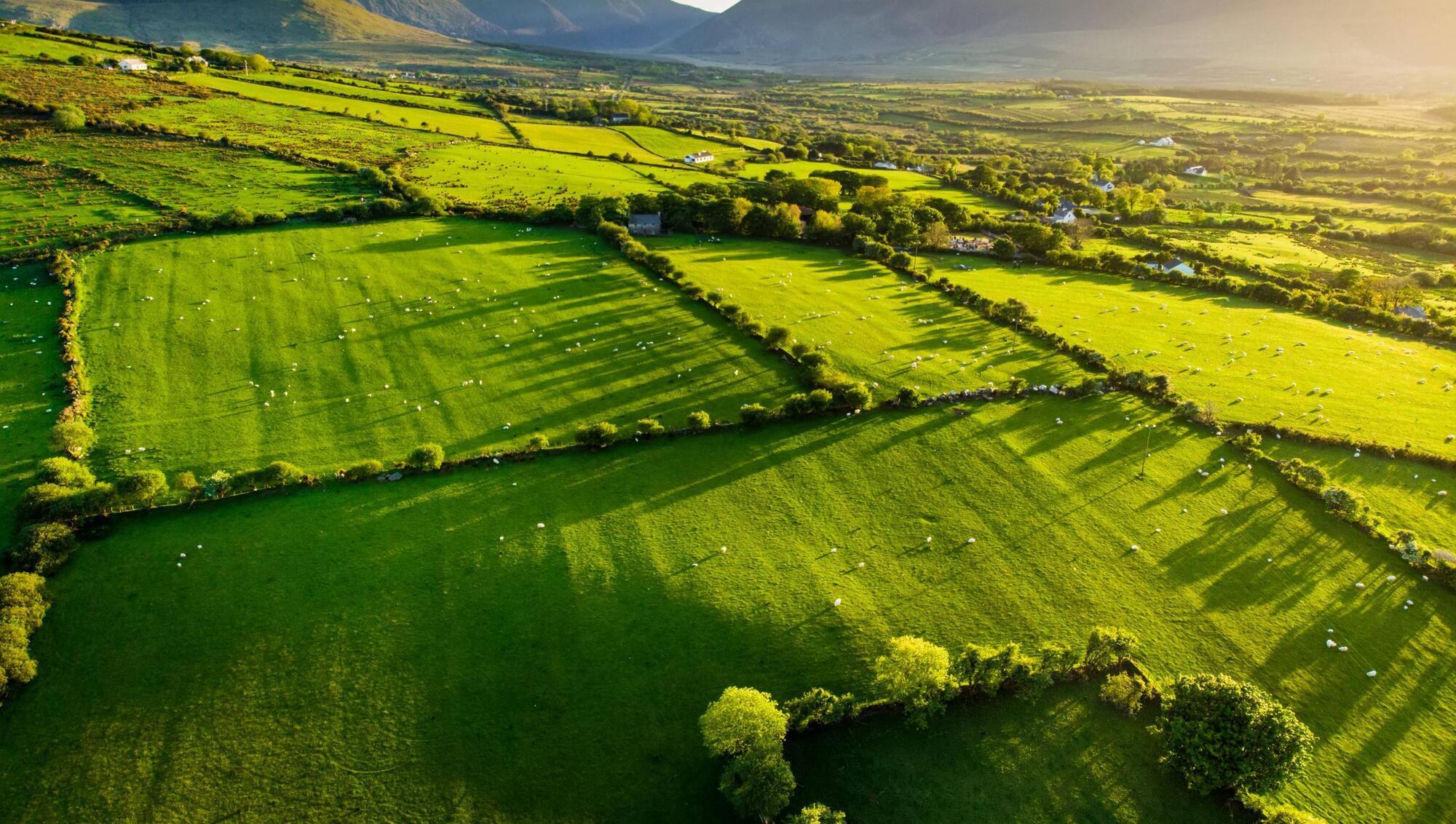
According to the Department of Agriculture, there is a need to establish a national framework through a suite of carbon farming measures that complement the environmental activity within the CAP Strategic Plan 2023-2027.
A public consultation as part of the development of a National Carbon Farming Framework has been launched.
The Government is outlining how carbon farming is a potential opportunity for farmers and land managers to derive a new income stream for their farms.
Minister for Agriculture Charlie McConalogue said: "To generate recompenses for our farmers in the actions they take to remove and store carbon in our soils, forests, grasslands, croplands and hedgerows, a well-functioning Carbon Farming Framework that provides confidence, verification and certification is essential."
Carbon farming has been identified as a key enabler to assist the sector in meeting Ireland's climate targets as set out in its most recent Climate Action Plan.
According to the Department of Agriculture, there is a need to establish a national framework through a suite of carbon farming measures that complement the environmental activity within the CAP Strategic Plan 2023-2027.
This consultation is seeking views to inform how the framework is customised to an Irish context through a high-level online survey.
Minister McConalogue said: "It is now timely to access ideas and insights from the public relating to the creation of a Carbon Farming Framework that will support and reward farmers/landowners to meet national climate objectives.
"A credible framework is a necessary first step to support our farmers / land managers in the areas of carbon removal, emission reductions, and ecosystem services."
Minister of State with responsibility for research and development Martin Heydon said the Government has been developing and supporting initiatives to gather national baseline data for a range of activities.
"This will be key to developing a carbon sequestration reward model. To date we have provided for the establishment of the National Agricultural Soil Carbon Observatory and the pilot Soil Sampling Programme, along with a range of research projects on peat soils," he added.
Parallel to the public consultation, a multi-stakeholder working group is being established to oversee the development of the framework. The findings of this consultation will inform the group's decision-making on the scope of the framework.
Key areas include identifying existing knowledge relevant to the establishment of baseline data, making recommendations for pathways to address knowledge gaps, assessing future auditing requirements, developing voluntary carbon codes, examining the possibility of leveraging private financing through public/private partnerships, and the identification of best practice governance structures.
Minister McConalogue said the consultation will cover areas of importance to farmers, landowners, and foresters alike who have been calling for the establishment of initiatives that support their participation in voluntary carbon markets.
"In the development of carbon farming, it is important to note that many challenges and uncertainty still remain; including establishing baseline data, quantification and verification of emission reductions, as well as certification processes and. My department continues to work in this area," Mr McConalogue added.