With thoughts of housing, it is also time to think about when to vaccinate
Unfortunately, there is no silver bullet for pneumonia prevention.
With thoughts of housing, it is also time to think about when to vaccinate

Vaccinating at the right time is one recommendation. However, it is also important to think about the animal itself and its health at the time of vaccination.

My naivety about house moving was highlighted this week when our deadline came and went to move into our new build. Everyone said it always takes a little bit longer than expected but I was secretly hopeful that they were wrong.

This is a nice segue to this week’s topic of the unpredictability of a housing date for cattle for the upcoming winter period. The weather took a lovely upturn last week and it was a joy to be
“T-shirt farming/TB testing”. Once again this wet summer could potentially indicate an earlier housing date than usual, but again there is always hope that the dry spell will continue.

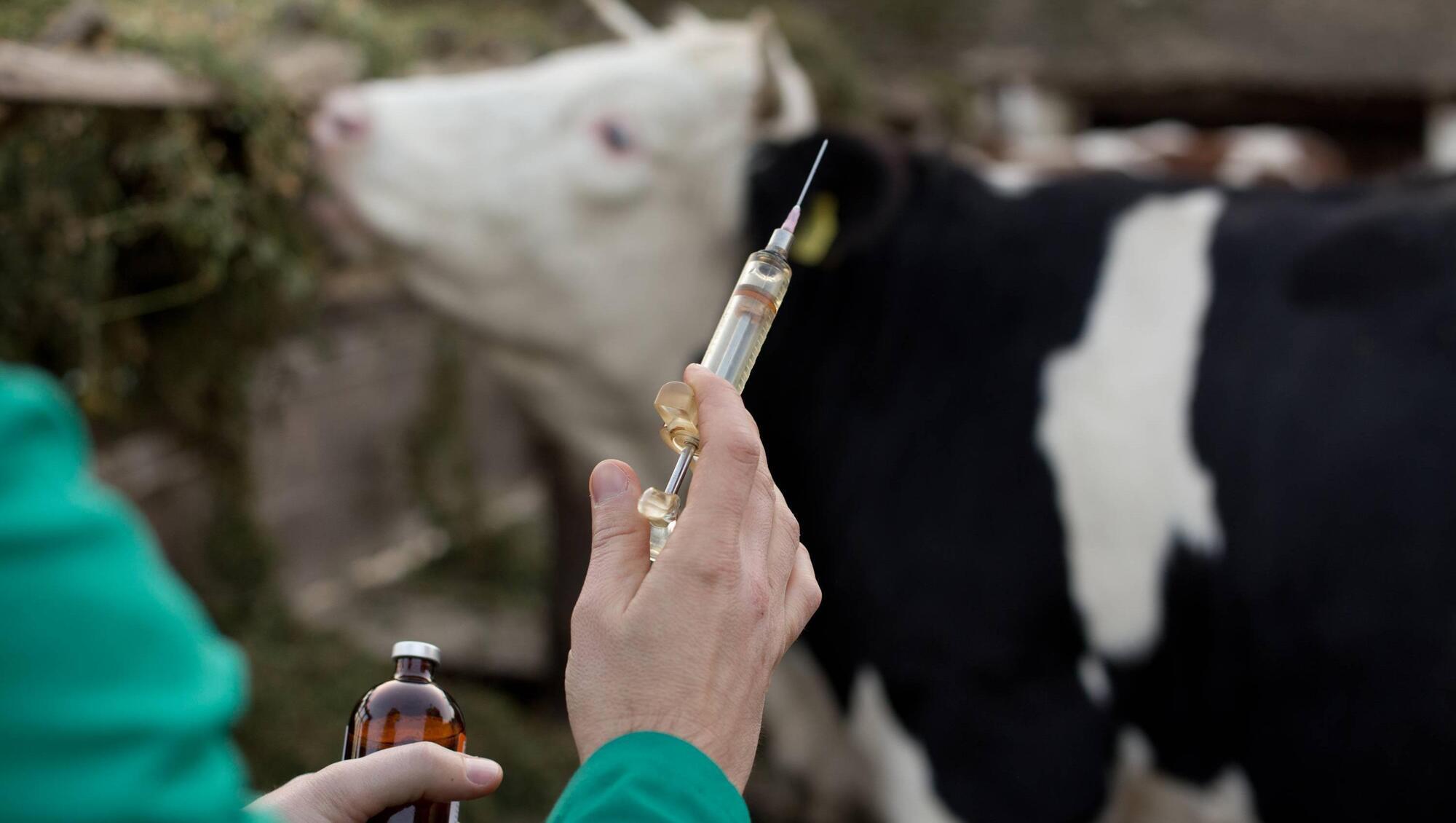
Now is the time to think about pneumonia prevention at housing and it is essential to have a vaccination plan that allows immunity to reach its full potential prior to entering the shed. Time and organisation are key, pneumonia vaccination ideally needs a six-week window to reach this immunity potential.

This period is associated when using a dead vaccine against RSV, Pi3, and mannheimia haemolytica. The benefit of this type of vaccine is that it can give up to six months duration to cover the housing risk period.

At home on the farm for the last two years, we have completed this early autumn vaccination plan and thankfully we didn’t need to reach for any antibiotic in the weanlings during housing. This is in vast contrast to the years previous where we could have taken out shares in Oxytetracycline and Meloxicam which was not sustainable.

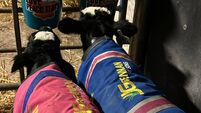
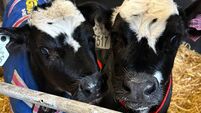
Vaccinating at the right time is one recommendation, however, it is also important to think about the animal itself and its health at the time of vaccination. We castrated the bull calves last week and I did think about vaccinating at the same time, however, I thought that the following week would be a less-stressful time to initiate the course.

One vaccine to always have done prior to castrating is the full course of the clostridia vaccine to prevent diseases like black leg. They were injected with the pneumonia vaccine on day two of the TB reading so as not to interfere with any of the testing processes. I like to try and get as many jobs done as possible when in the crush but the underlying cortisol levels from different stressors need to be taken into consideration when giving vaccines.

IBR live vaccine is licensed to give with the dead pneumonia vaccine with particular manufacturers of the vaccines. IBR live can be delivered intra-muscularly from three months of age, some calves may not have any dose at this time and would benefit from one prior to housing. I usually do this dose at home in July when I vaccinate the cows so I don’t have to think about it until the live booster six months later in December/January time.

There is a new incentive as part of the new Beef Welfare Scheme 2023 for suckler farmers to screen for IBR in their herd, contact your vet to enquire. It involves nominating your local vet of choice to take up to a maximum of 20 bloods from animals ideally over nine months of age, but if a herd is 20 or less, the bloods are taken from all animals. Animal health labs in Bandon are supplying a handy test kit for farmers who have registered for the scheme online which includes the 20 blood bottles and the submission forms that can be used on the farm by the vet. The results will then aid in updating the prevalence of IBR in Ireland’s suckler population and alerting a herd owner to a possible underlying IBR issue.

A pre-housing dose with a clear (Avermectin) class wormer either in a pour-on or injectable form less than five weeks pre-housing can eliminate the risk factor of lungworm predisposing to viral or bacterial pneumonia. This is a dose that using faecal egg samples can be delayed to closer to housing unless of course, the weanlings are showing clinical signs of coughing or scour while grazing. If you haven’t availed of the Targeted Advisory Service on Animal Health’s parasite service yet this year it’s a great opportunity to use the two free faecal egg samples for pre-housing and also could be used to look at fluke levels in the herd. Contact your vet about pre-housing parasite advice and availing of the parasite service.

The environment that the animals are going into is vital to look at prior to housing, what maintenance needs to be done, could ventilation be improved and is it cleaned out after last year’s stock. We added an extra water trough this year to the weanling shed as we felt there was too much crowding around the small trough we had in place. We removed the manure before disinfecting as organic material can interfere with the mode of action of disinfectants. If your vet is on the farm over the next few weeks, they may be able to advise on improving ventilation in the shed, it can be as easy as pushing out the bottom sheet of cladding from the wall or cutting a strip in the centre of the roof to allow the stack effect to circulate air.

Supplying enough space for weanlings is important to keep infection pressure down to help the vaccine prevent disease. The recommended stocking rate for cattle under 275kg is 1.2-1.5 sq m/animal for slatted sheds and 2.4-3.0 sq m/animal in a straw yard. A nice activity during this quieter time on the farm would be to get out the tape measure and do some calculations, it is so simple to do.

Unfortunately, there is no silver bullet for pneumonia prevention, however, combining good vaccine cover, environment monitoring, and parasite control, will all aid in a smooth transition to housing and a less-stressful springtime for man and beast.

Hopefully all will go to plan in my own pre-housing preparation this week, looking forward to a change of locum location to the Déise this week and getting some nice Waterford sea air. It may help with the new house stress.

More in this section

Farming

Newsletter

Stay ahead of the season. Sign up for insights, expert advice and stories shaping Irish agriculture.

Cookie Policy Privacy Policy Brand Safety FAQ Help Contact Us Terms and Conditions

© Examiner Echo Group Limited