Reminder to look to non-chemical alternatives to rodenticides
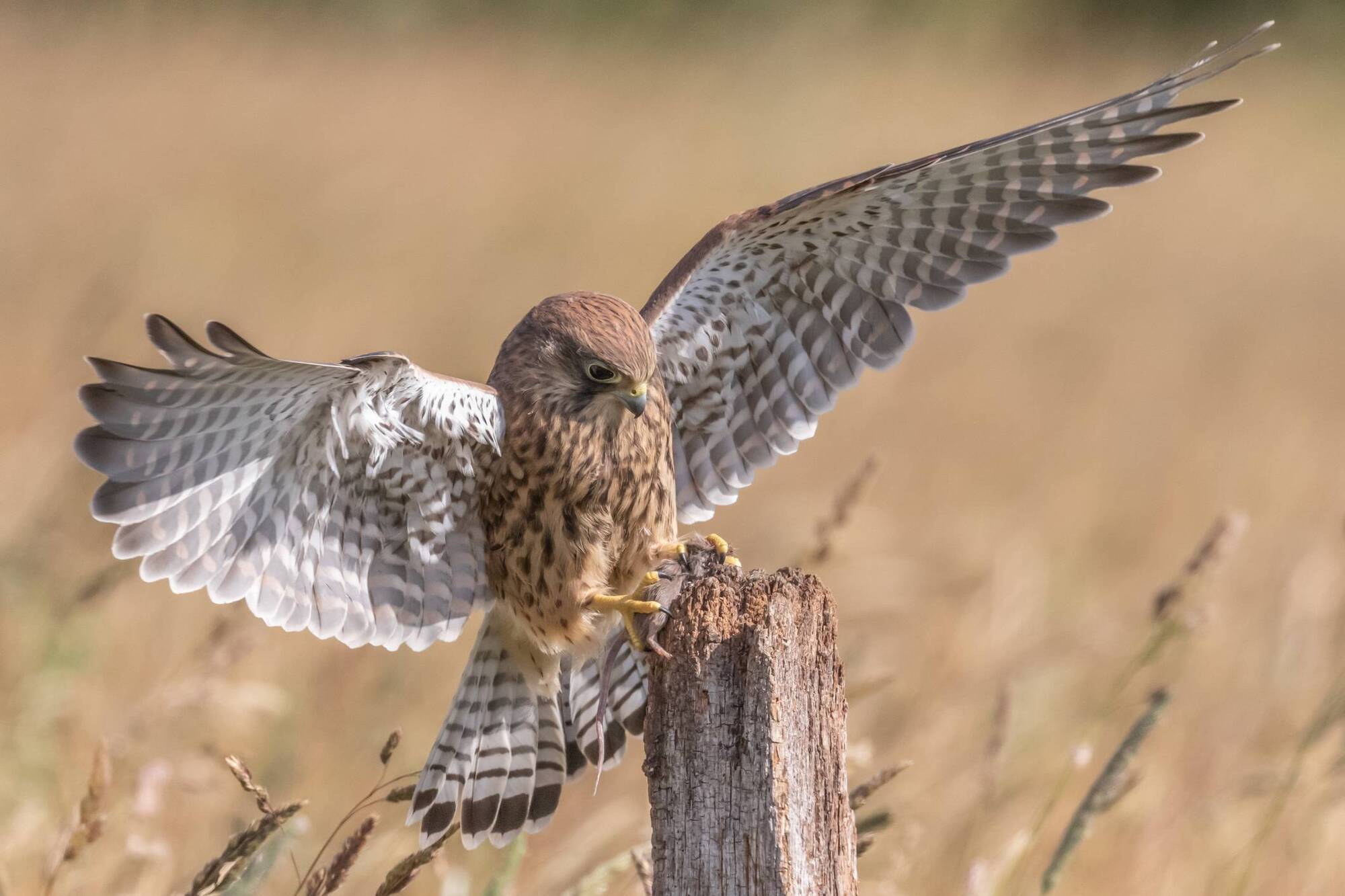
Traces of rodenticides have been found in kestrels, kites, buzzards, long-eared owls, stoats, and pine martens.
Removal of food and water, and making buildings as rodent-proof as possible, are basic first steps in managing rodents on the farm recommended in a recent Teagasc Signpost podcast.
Rubbish should be cleared away, old machinery and equipment, and unwanted stores of hay and straw should be removed.
An open area around buildings was also recommended, to eliminate hiding places for the pests, and to enable predators to more readily detect and take rodents.
The podcast addressed best practice and responsible use of chemical rodent controls whilst ensuring that exposure of birds of prey, other top predators and pets to rat poison is minimised.
The advantage of using mechanical traps, which do not have an environmental impact, was also mentioned.
Farmyard cats and dogs and encouraging predators such as barn owls could also play a key role in controlling rodents.
“The very last thing you will do is use rodenticides, not the first,” said Eanna Ní Lamhna, the communications officer of the Campaign for Responsible Rodenticide Use (CRRU) Ireland, and she joined Pat Murphy, Head of Teagasc’s Environment Knowledge Transfer, on the podcast to discuss safeguarding wildlife when responsibly using rodenticides.
The Department of Agriculture engages via the CRRU to promote best-practice rodenticide use.
Rat and mice poisons must be used only after a rodent infestation has been established, and must be removed immediately after the infestation is cleared, according to the CRRU.
Farmers fall into the category of professional rodenticide users. They are permitted to use rodenticides indoors or outdoors on their own holding. They must keep detailed site records and use tamper-proof bait boxes.
They are restricted to a 35-day baiting period to control a rodent infestation. According to the CRRU, after this time period, if rodents are still present, only trained and approved professional pest controllers can bait, following a risk and site assessment.
Long-term baiting should be a last resort, when other methods of control have proved insufficient, and only specific products can be used, to counter the risks of rodent resistance to poison. New risk assessments must be undertaken at least every 35 days, if using longer-term bait.
The DAFM approves each rodenticide with a specific set of instructions on the product label. It is illegal to use them in a manner other than prescribed on the label.
The active ingredients are usually anticoagulants.
“They’re acutely chronic, they have toxic effects, they have a long biological half-life”, said Eanna Ní Lamhna.
Problems arise when rodents eat rodenticide and are, in turn, eaten by predators. A Birdwatch Ireland study some years ago indicated that 80% of owls had detectable traces of the main toxic chemicals used in rat poison. Owls are natural predators of rodents, coming out at night to feed on them.
Eanna said rodenticides have also been found in kestrels, kites, buzzards, long-eared owls, stoats, and pine martens.
Mice and rats are also part of the diet of foxes, peregrine falcons, sparrowhawks, and other wildlife.
Eanna Ní Lamhna said that a pair of barn owls will catch an estimated 500 rats in a season. The long-eared owl, more common in Ireland than the barn owl, also extensively feeds on rats and mice. Those nocturnal owls have particularly well-developed hearing, which helps them detect their prey.
Meanwhile, rats and mice became increasingly resistant to the first generation of anticoagulants, and there is evidence in the UK of resistance to second-generation anticoagulants. CRRU Ireland is testing in Ireland to determine the extent of similar resistance.
Rats and mice pose a threat to the health of humans and animals, as carriers of dangerous pathogens and parasites. Weil’s Disease, Hantavirus, and Salmonella are just a few of several serious diseases spread by rats via their urine and droppings, or bites. Globally, it’s estimated that total crop losses caused by rodents every year would be enough to feed 200 million people.
However, rodenticides must be used responsibly, protecting birds of prey, other predators, and pets.
“We have a biodiversity crisis in Ireland. Half our wildlife numbers have been reduced since 1970”, said Eanna Ní Lamhna. “We don’t need to be adding to it by carelessly and unnecessarily using rodenticides”.