Clover and managing bloat at the Gurteen College dairy unit
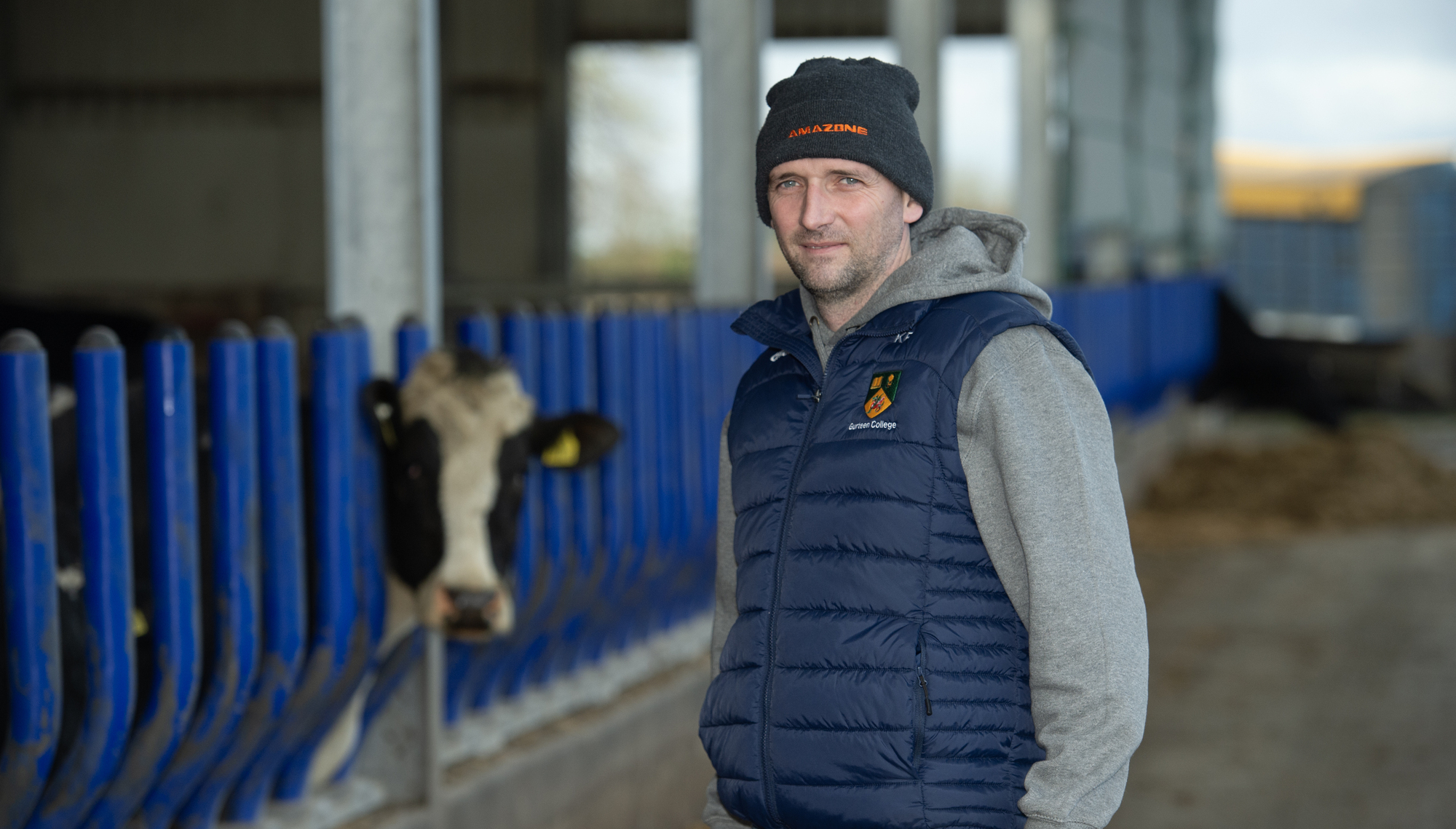
Ken Flynn, farm manager and lecturer at Gurteen College, Agricultural College. Picture: Dan Linehan
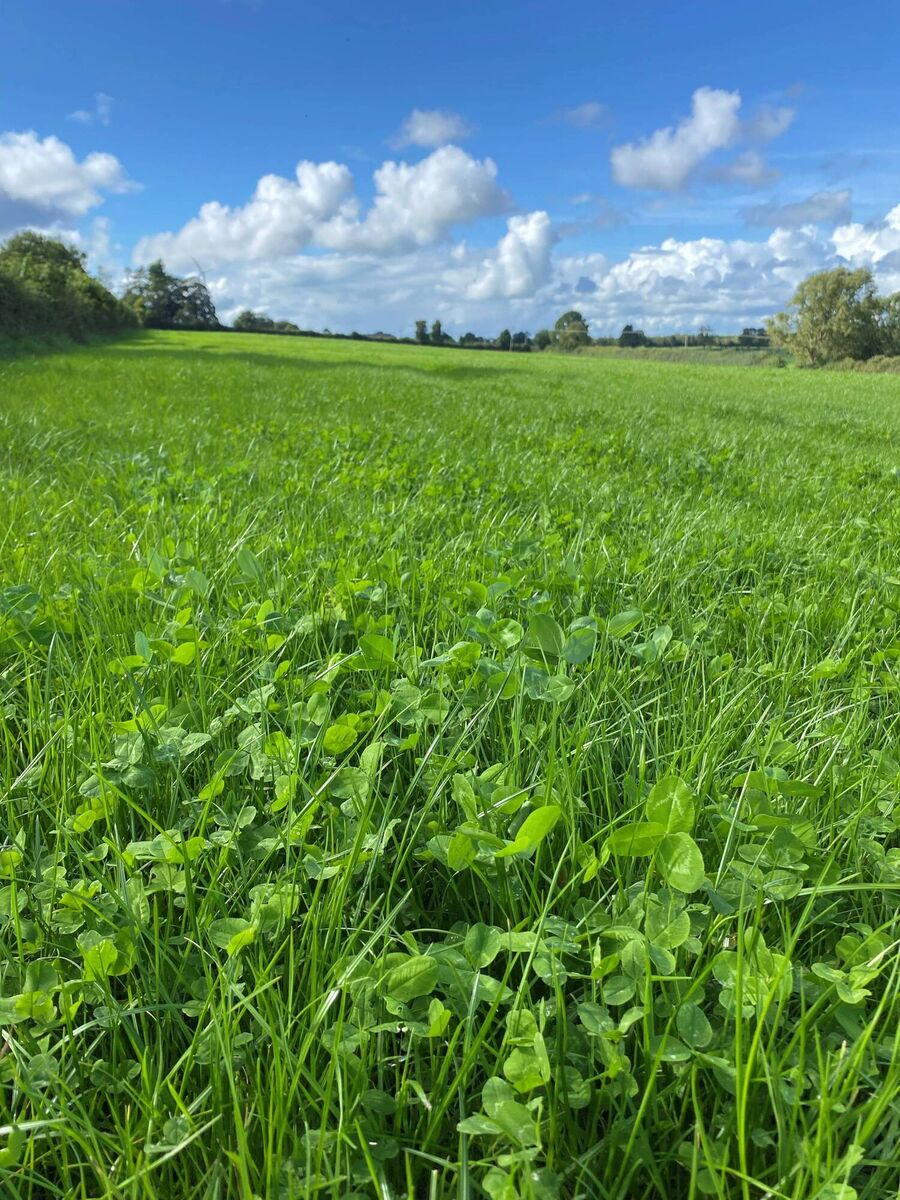
As I've written about in my previous updates, we are trying hard to increase the clover content in our swards. We have switched from including 1kg of clover seed in the seed mixture to 2kg of clover seed, and it is definitely making a difference as the swards get established.
Having our P and K indexes correct before reseeding is definitely helping. But after the sward has been established, the next battle is to manage it and maintain the clover in the sward.
On all the new swards and any clover-rich existing swards, I started cutting back the nitrogen.
I am now spreading less than half the amount of chemical nitrogen in these swards without any reduction in output.
I knew we weren’t suffering any ill effects from the reduced levels on N spread. I then came clean and said how I’d already started cutting back and how I was delighted there’d been no reduction in growth levels.
The herdsperson was also delighted because, like me, they had some initial fears about reducing chemical N and running short of grass, but we have proven these fears unfounded.
When possible, we try to give these swards 2000 gallons per acre of slurry or dirty water from the dairy yard, and when we do this, we make another little cut in the chemical N spread, while giving the P’s and K’s a little boost.
So far, we have been very lucky and have very few incidences of bloat caused by the high clover swards.
During our first rotation, we try hard to train our cows to graze the paddocks out tight. I can’t say for sure if this has any connection to not suffering higher levels of bloat or not, but I often wonder if is it connected.
This will force them to graze it out fully and eat the grass as well as the clover giving them more grass in their stomachs.
Once they have this smaller area grazed out, we will give them access to the full paddock, and hopefully, the grass they have eaten in the restricted area will be enough to prevent bloat when they get access to the rest of the pasture; you could say the grass is having a dilution effect on the fresh clover inside their stomachs.

BLACK FRIDAY
Already a subscriber? Sign in