Kieran Coughlan: Time to examine the rates of interest you are paying
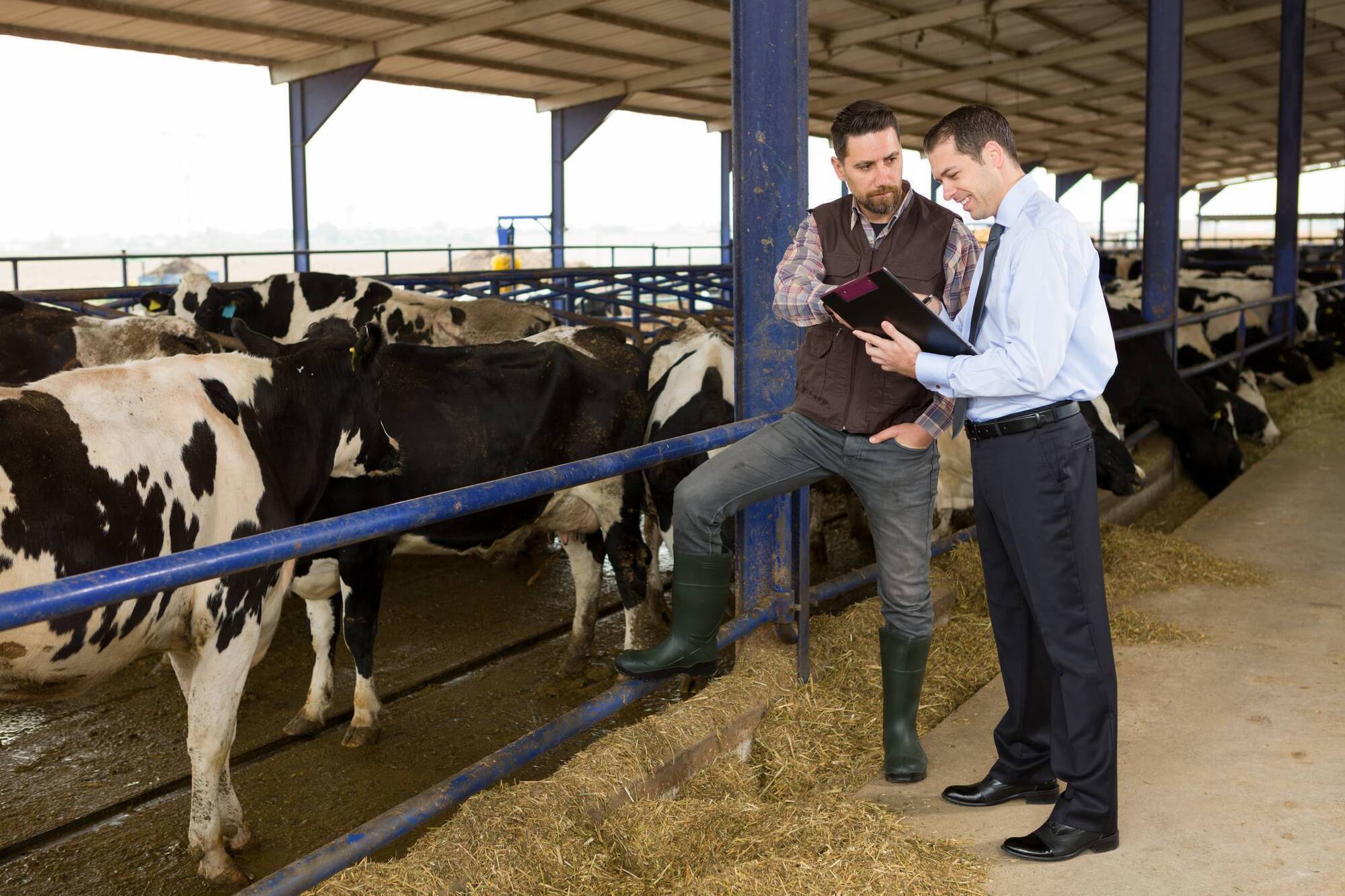
It is easy to become overwhelmed by a wave of information about different rates — the key piece of information you need to ask for is the APR. Picture: iStock
Borrowing costs are creeping up across a whole spectrum of products from overdrafts, to term loans, stocking loans, and hire purchase and leasing products.Â
Thankfully this past week also saw deposit interest rates increase for savers but that’s of little consolation if you are a borrower.Â
For farmers who have borrowings or who are thinking of borrowing, now more than ever it’s worthwhile examining the rates of interest you are paying or will be paying, and the potential alternative options.Â
A couple of per cent difference in interest can amount to thousands of euros over the term of a loan or hire purchase/lease agreement.Â
For instance €60,000 borrowed over five years at a rate of 5% compared to €60,000 over five years at a rate of 7.5% results in an additional interest charge over the term of €3,963.Â
When looking to save on interest rates it’s not just simply a case of comparing similar products across different banking providers — for example, a five-year bank loan with one Main Street bank versus another bank.Â
There are of course a host of products available within many Main Street banks, with different rates applying to essentially the same products marketed differently. Of course, it is also possible to finance assets in a variety of ways, for example when buying a machine finance options can include a term loan, hire purchase agreement or lease.Â
The point here is that comparison should be made within the bank across product types, and against products available in other banks and indeed across other operators such as credit unions and finance companies. There is a suite of products aimed specifically at farmers by non-bank lenders.Â
Knowing the rates available can give one some negotiation power should one wish to opt to stay with their existing lender of choice. The key piece of information to ask for is the APR or annual percentage rate applicable to the amount borrowed, as it is easy to get blinded by reps who might not answer your question directly and present alternative options such as monthly repayments instead of biannual payments.Â
Asking for and getting an answer on the APR allows a fair comparison of interest costs. Shopping around also keeps lenders on their toes.Â
The Ukraine Credit Guarantee Scheme (UCGS) offered by the SBCI in conjunction with AIB and Bank of Ireland presently but with more lenders set to be included should also be considered.Â
The UCGS is a low-interest, and potentially unsecured, option for primary producers operating as small and medium size entities and small mid-caps. As such, the fund is available to farmers who have been affected by the impact of the conflict in Ukraine and who are facing supply chain disruptions and increased input costs including energy costs.Â
The amount that can be borrowed is between €10,000 to a maximum of €1,000,000 per borrower, however, the amount that can be applied for is linked to either a maximum of 15% of the average of 3 years turnover or 50% of the energy prices over the preceding 12 months.Â
For a typical farmer, the amount available under the percentage of turnover will give a higher result. Finance must be used for one or both of the following purposes; working capital (including liquidity needs) or Investment.Â
Repayment terms can be between 3 months to 6 years. Loan amounts less than €250,000 can be unsecured. Loans and facilities will be available up to 31 December 2024 or until the scheme has been fully subscribed.Â
A farmer wishing to avail of the Ukraine Credit Guarantee Scheme should in the first instance apply via the SBCI website completing details of their enterprise and as part of the application process, borrowers must sign a declaration (which may be subject to audit) that they meet the eligibility criteria and the applicable state aid rules.Â
Once successful, an applicant is issued with an eligibility code. Currently, the Ukraine Credit Guarantee Scheme is rolled out by AIB and Bank of Ireland, and prospective borrower can furnish their chosen institution with their eligibility code and go on to complete their finance application