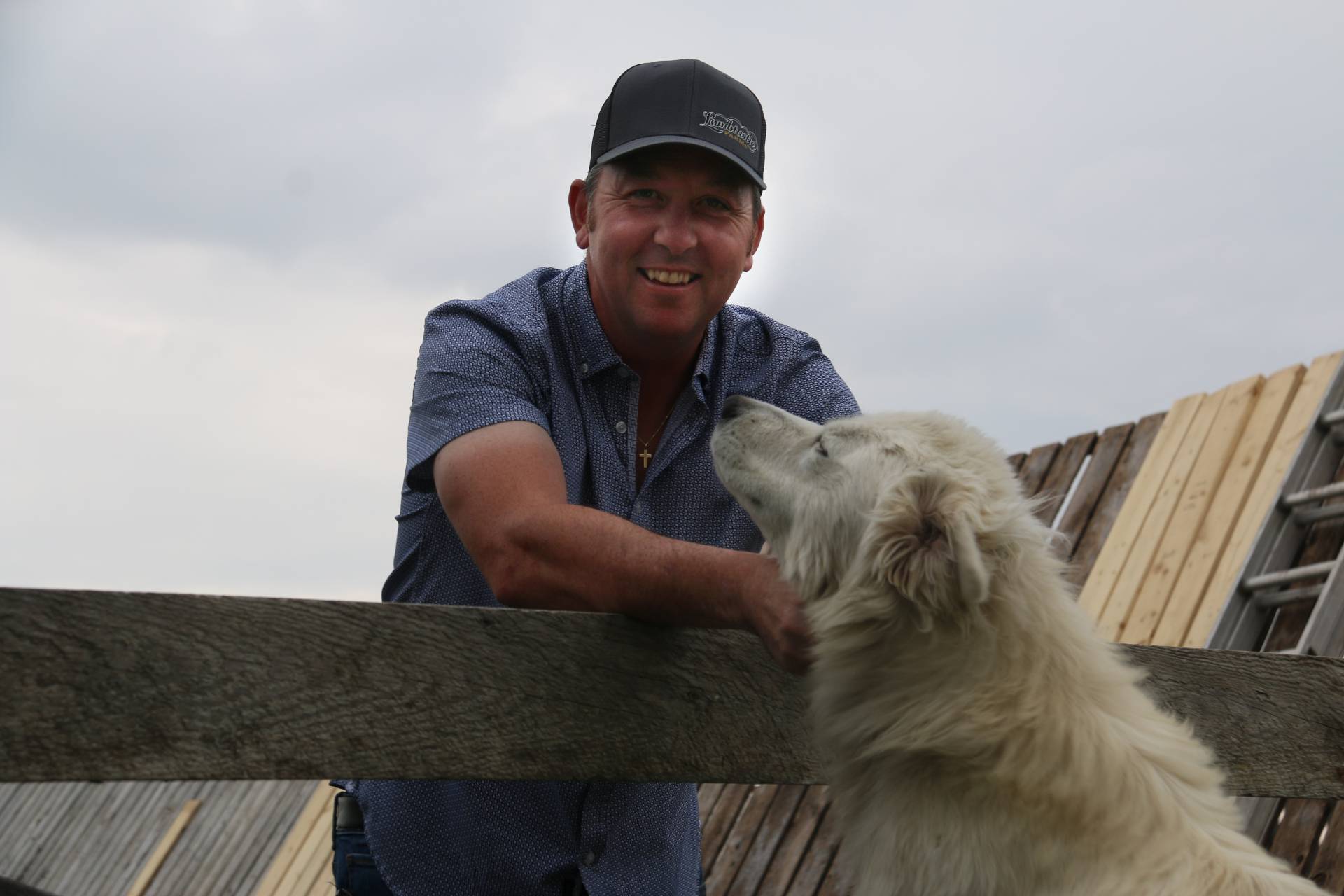
You'll get a few raised eyebrows when you mention you’re visiting a sheep farm in southern Alberta – a vast section of Canada which proudly declares itself ‘Beef Country’.
There also aren’t too many farms in Western Canada where you’ll get greeted with a pot of Barry’s tea, but then Ray and Nancy Nolan are no ordinary ranchers either.
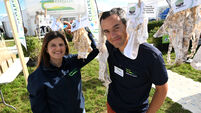
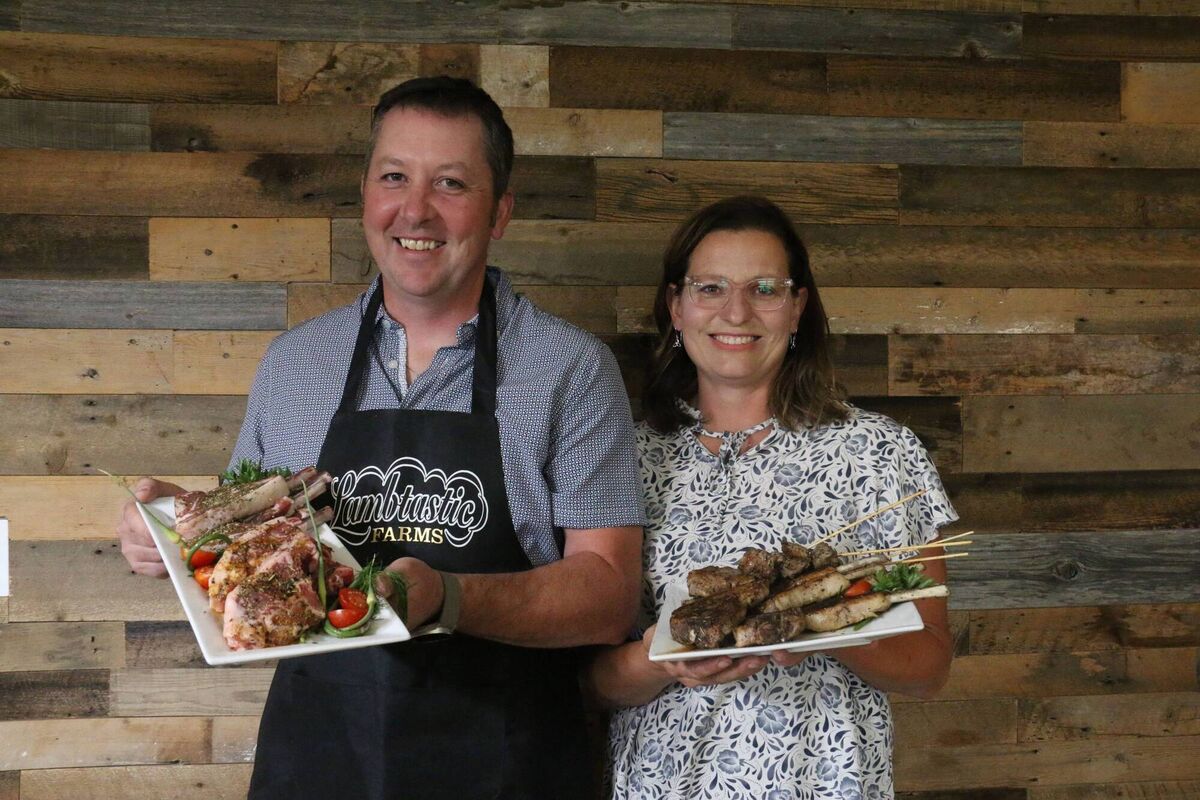
Carlow man Ray and Canadian wife Nancy have sought to make their mark on the local palate, promoting lamb as a healthy and tasty centrepiece of dinner tables through their brand Lambtastic.
Originally from a sheep farm on this side of the Atlantic, Ray met Nancy in London.
“Growing up, it felt like the message was ‘Get out, get out – there’s no money in farming’,” he said. “So I put myself into the culinary world and really liked it and worked my way around Ireland – Waterford, Carlow, Tralee, Kinsale, and Limerick.”
The next move for the young up-and-coming Irish chef was a hop across the water to the Dorchester – the famous five-star luxury hotel which dominates London’s Park Lane.
The step was a lucky one in more ways than one – and was where he met his now, wife Nancy, an agronomist’s daughter who grew up on a mixed grain and beef farm in Vulcan, Alberta.
At the time, Nancy had just six months left on her Visa, so she knew she had to act quickly in her search for a job.
“So, of course, I went to the Dorchester,” she said. “The guy who met me at the door ended up being my boss,” she says with a wry smile at husband Ray.
“It took him a while, but we got together eventually, and the Dorchester ended up extending my visa.”
Together, the couple have cooked for a reem of the rich and famous, including Nelson Mandela, the Queen, Princes Charles, Harry and William, and even Michael Jackson.
“It was really funny because he had a reputation for going to the Ritz, so we all thought they were joking when they said Michael Jackson was dining with us,” Nancy explained.
Being chefs, the pair worked long hours, preparing well for the demands of rancher life, so when the opportunity came up to take on Nancy’s family farm, it was a challenge they couldn’t turn down.
But while the whole business wouldn’t have been possible without the support of Nancy’s family, the decision to go into sheep, in particular, was one driven by Ray.
“One, being Irish and knowing about sheep and second, in our culinary circle, we knew they were crying out for lamb,” he said.
True to form, one chef soon placed an order for 20 lambs, which was enough to kick off the meat sales side of the business, and the rest soon sparked from there.
“We went out and bought 50 head of Suffolk sheep, which was the breed I was used to growing up,” Ray explained.
Soon the couple were raising 350-400 sheep a year, but a reshuffle in dwelling houses, and the decision to build on the homestead meant they had to sell a substantial portion of their flock to finance the changes. However, they are now in the process of rebuilding numbers back up.
Building a brand
Initially, the business’ clientele consisted mostly of restaurants. However, this left the business exposed to the radical disruption caused by Covid lockdowns, and through the necessity to continue selling their meat, the couple explored a new business opportunity – meat parcels sold direct to the public.
“Before Covid, it was all restaurants and hotels. We knew every week what the week would look like – it was the same hotels, same restaurants, same customers forever. But then Covid came along and it was a whole new world,” Nancy said.
“But when Covid hit, people did start looking for farmers, and it made that connection easier. We were in a good place because people would recognise our name from the restaurants and would start looking for us.
“So we went from delivering to hotels and restaurants to delivering to people’s homes and that has continued.”
Through their brand, Lambtastic Farms, the couple has since launched a range of value-added packages and bundles.
Stock from the farm are slaughtered around 40 minutes from the farm in High River and then transported to the next town over, Okotoks, for processing.
However, while finding a butcher capable of meeting the couple’s exacting culinary standards was a challenge at first, sticking to their principles has helped to build their reputation.
“It was very important for us to keep a short supply chain, but with our cheffing background, we know what’s good and what’s not. I think knowing what quality meat should look like has helped us a lot,” Ray said.
“Starting out, we went through a lot of butchers, because you go to the trouble of raising these animals and then you give them to the butcher, and he messes it up.
“That aspect was a struggle to get right. With our background, we knew what a lamb rack should look like, we knew what a lamb leg should look like and exactly how we wanted it.
“It also means we are able to keep a close eye on things and send a quality product every time – that consistency of quality is very important to our hospitality customers.
“We went through about seven or eight butchers before we got one we were consistently happy with.
“But it was night and day when we found our current one – someone that was willing to work with us and meet the standards we have.”
On the farm, lambs are finished at 120lbs liveweight by six to eight months.
“We are pretty picking about lambs which go over one year, because they are classified as a hogget,” Ray explains. However, slaughtering their stock was another challenge to overcome.
“Not everybody wants to slaughter lamb, but everyone wants to slaughter beef,” Ray said.
“Some of the abattoirs were only able to take lambs sporadically, and often booked up two years down the line. But achieving a consistent supply was something the couple knew would be key to their business.”
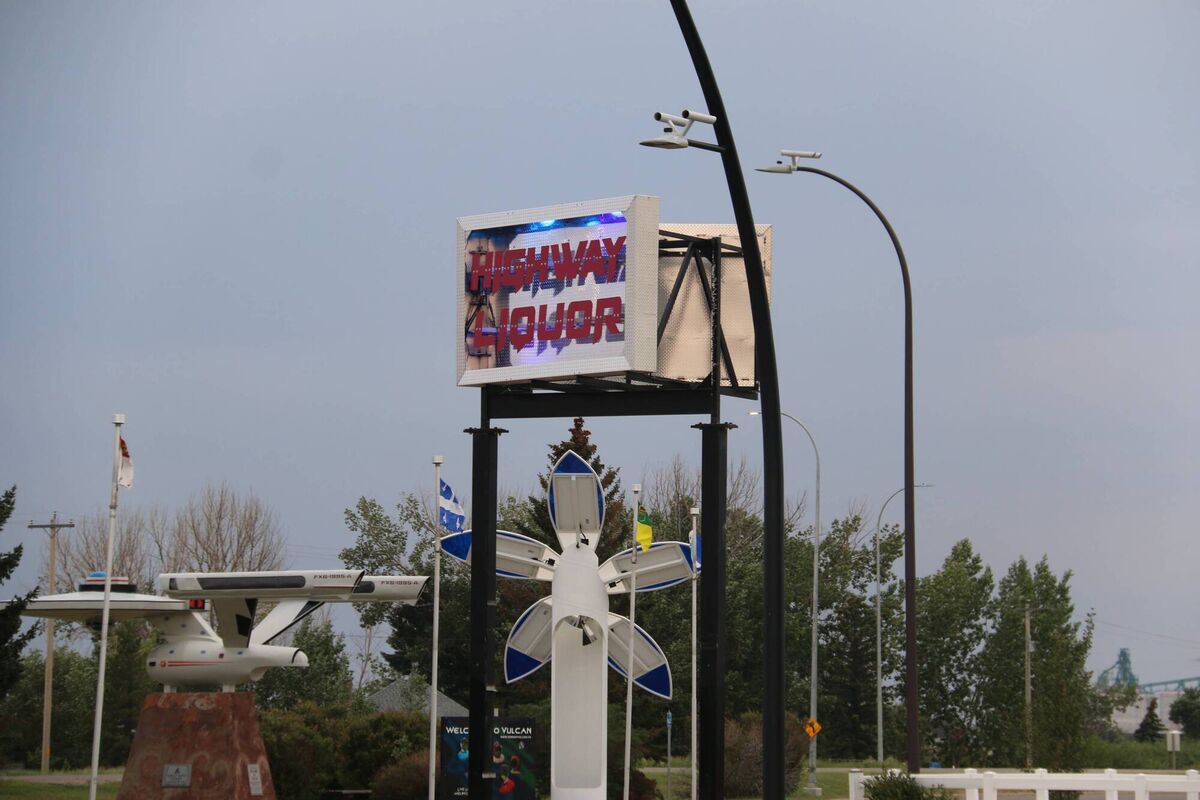
The pair also like to get hands-on, putting their culinary skills to good use for cooking demonstrations at Vulcan’s popular ‘Spock Days’ in the town famous for its space-themed town centre – just in case its Star Trek namesakes ever fancy dropping in.
Farm to Table dinners – events where establishments showcase their farm suppliers also form a key part of the business’ marketing.
Farming east of the Foothills
In Western Canada, everything is much bigger than back home on the Emerald Isle, but farming just east of the Foothills has its challenges too.
“The land isn’t as productive as Ireland,” Ray explains. “[In Ireland], you can keep your animals out longer, and you get more of a yield. While here, you need to be bigger and you get less.
For example, on the farm’s 2,000 acres of cereal crops, Ray expects canola yields of around 25-30 bushels, yellow peas 40-50 bushels, barley 60 bushels, and wheat 35-40 bushels, (1.5-2 tonnes an acre).
The farm also includes grazing land at High River as well as 140 acres of pasture in Vulcan, where the couple live with their three children, Breadon, Charless, and Isabella.
Ray baled 120 silage bales in mid-May, but despite the thousands of miles between him and his family’s home farm in Co Carlow, some things never change.
“I’m always on the phone to Dad and checking in on what the prices are and how much it rained,” he said. “He beats us on that one every year,” he laughs. “Dad will be on the phone complaining about how dry it’s been, and I’ll joke, “What? You haven’t had rain for ten days?!
It’s a very different way to farm, he explains. There are no subsidies – just crop insurance, which protects farmers in the event that a crop fails, and a privately-run scheme which rewards the farm for its carbon sequestration, which the couple have recently signed up to.
This year, between tornadoes and drought, forage has been particularly scarce. He has even had to change the way he spreads fertiliser to more frequent but lighter applications in phases according to rainfall. “It’s dramatically affected everything. Hay has obviously been an issue – it’s so scarce, and the price has been ridiculous, so for anyone going out to buy hay and to feed it to their sheep, it’s been really, really tough,” he said.
“This year, hay has hit around $300/tonne – almost double the normal $152 paid.
"If I was selling lambs to the market, I probably wouldn’t be able to make money from it at the moment.”
Ray believes the attitude to food is also vastly different across the pond: “I think at home, you get more of a culture around local Irish food. We’re very proud of our local food. When I think of Irish food, I think of the lovely farmhouse cheeses right away.
“The grocery stores have a fair amount of local produce on their shelves, while here, you don’t have that. Food production over here is many monopolised in the grocery stores by big companies. We can’t supply them because they want federal inspections and to be able to stock the produce across 50 stores. The scale required for that means they won’t even let us in the door.”
It’s come with challenges, as it means that restaurant chains have been unable to take lamb for their restaurants in other provinces. But the federal inspection process also requires much larger quantities of lamb than what the farm is producing.
A flipside is that it also means that every one of the farm’s customers, whether it be a chef or a member of the public, has a direct relationship with Ray and Nancy.
“Quality is number one for us, number two you know exactly where it came from, and number three, you know me. You have a relationship, reputation and quality and when you get those right they are all crucial to our business,” Ray said.
He explains this relationship means his customers have also been very understanding of some of the challenges with input costs and margins in recent months.
“There have been times when we have had to increase prices and if you explain the why of it, rather than just announcing the increase, they are pretty understanding about it,” he said.