The results are in for Ruairi's latest scanning session on the farm
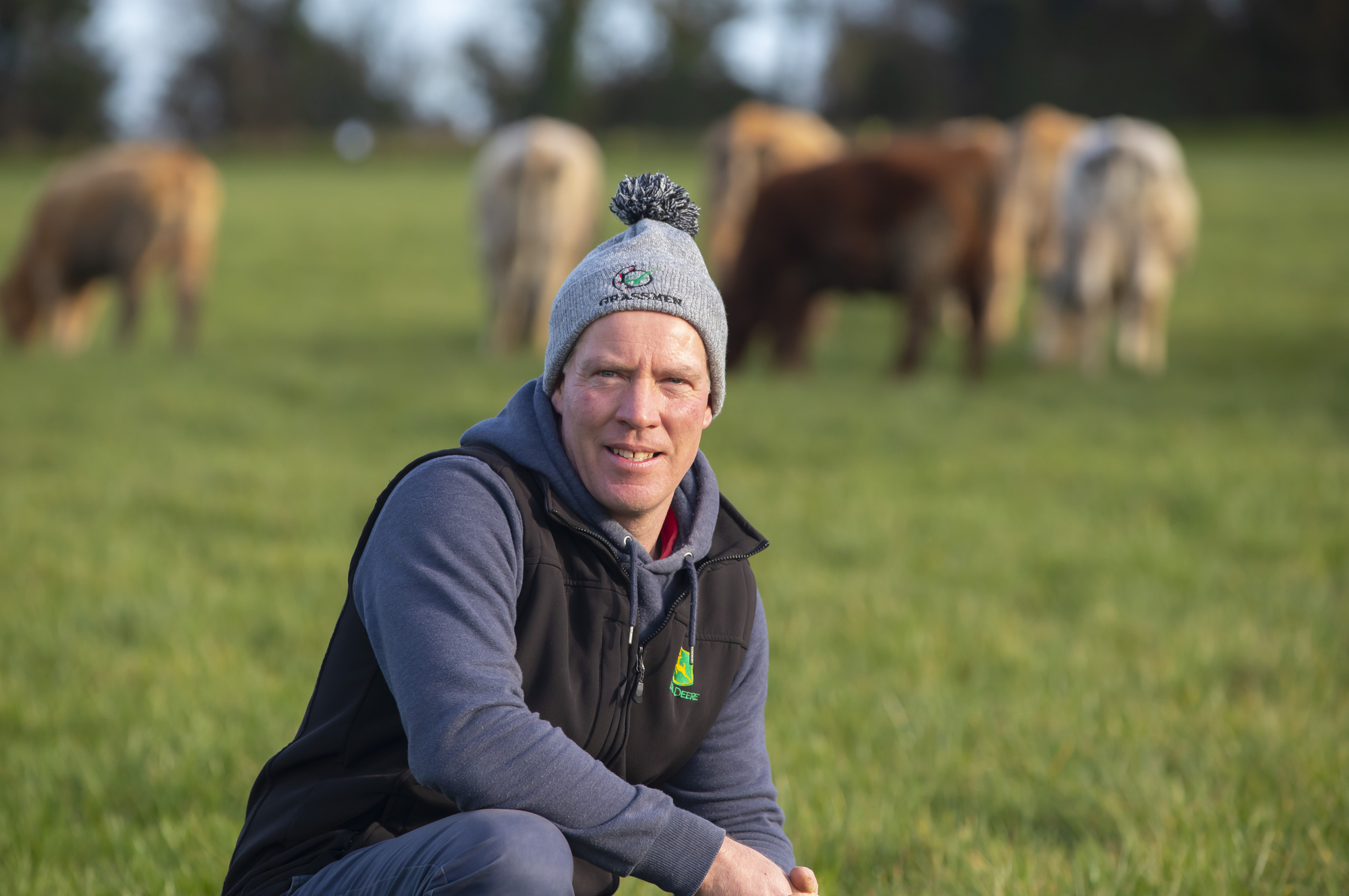
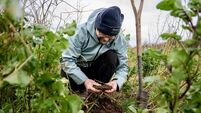
Ruairi Cummins on his farm at Kilmoganny, Co. Kilkenny. Picture: Patrick Browne
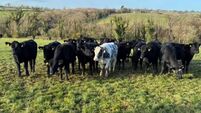
The cows were scanned at the end of July to see if they were in-calf or not. In total, 43 cows were scanned, and it turned out that seven of these were not in calf, which was no surprise.
Two of these had hard calvings this year, and the other five appear to have suffered an early embryo loss. The seven heifers were also scanned, with five of these in-calf to AI bulls.
According to the scanner, one of the heifers had internal reproductive issues and would never go in calf anyway. All in all, I was happy enough with the results. I plan to calve down over 45 cows next spring and already have five in-calf cows sourced from a local herd that will arrive later in the year.
In the meantime, I have separated this year’s bull calves and their cows from the heifer calves and their cows to avoid any surprises. Three of the empty cows are fat already and can be sent directly to the factory in late September or early October.
The remainder will either be fed ration at grass and sold in the factory with some heifers, or else sold through the mart — either way, they won’t be housed over winter.
ICBF produces a useful weaning performance report for the suckler calves, and I find it useful to benchmark against the targets. The target 200-day weight for heifers is 250kg, and my heifers are 290kg.
The target for the bulls is 300kg at 200 days, and my bulls are doing 320kg, which tells me that they’re doing well, despite the weather this year.
The average weight of the cows is 700kg, and on average, they are producing a calf that is 44% of their body weight, which is above the target of 42%.
But then, she was also only 30kg at birth and just hasn’t caught up on her comrades. Her cow produced a grand calf last year, so I’m not sure why this one is smaller, but I suppose there will always be one!
I will spread the last round of fertiliser this month; a half bag of protected urea per acre on the home farm and 1-1.5 bags of 18-6-12 per acre on the out farm to help build the soil indexes. Farmyard manure has been spread on some second-cut silage ground and on a poor-performing paddock. This will help build grass for autumn grazing to try and keep the cattle out grazing as late as possible.
The calves are creep grazing ahead of the cows and will be fed barley at grass before and after weaning. This will help reduce the amount of grass they’re eating and stress at weaning – the main task in autumn here on the farm.
- Ruairi Cummins is a Future Beef farmer with the Signpost programme, based in Kilmoganny, Co Kilkenny.

BLACK FRIDAY
Already a subscriber? Sign in