Signpost: Carbon flux towers and our experience re-wetting at Gurteen College
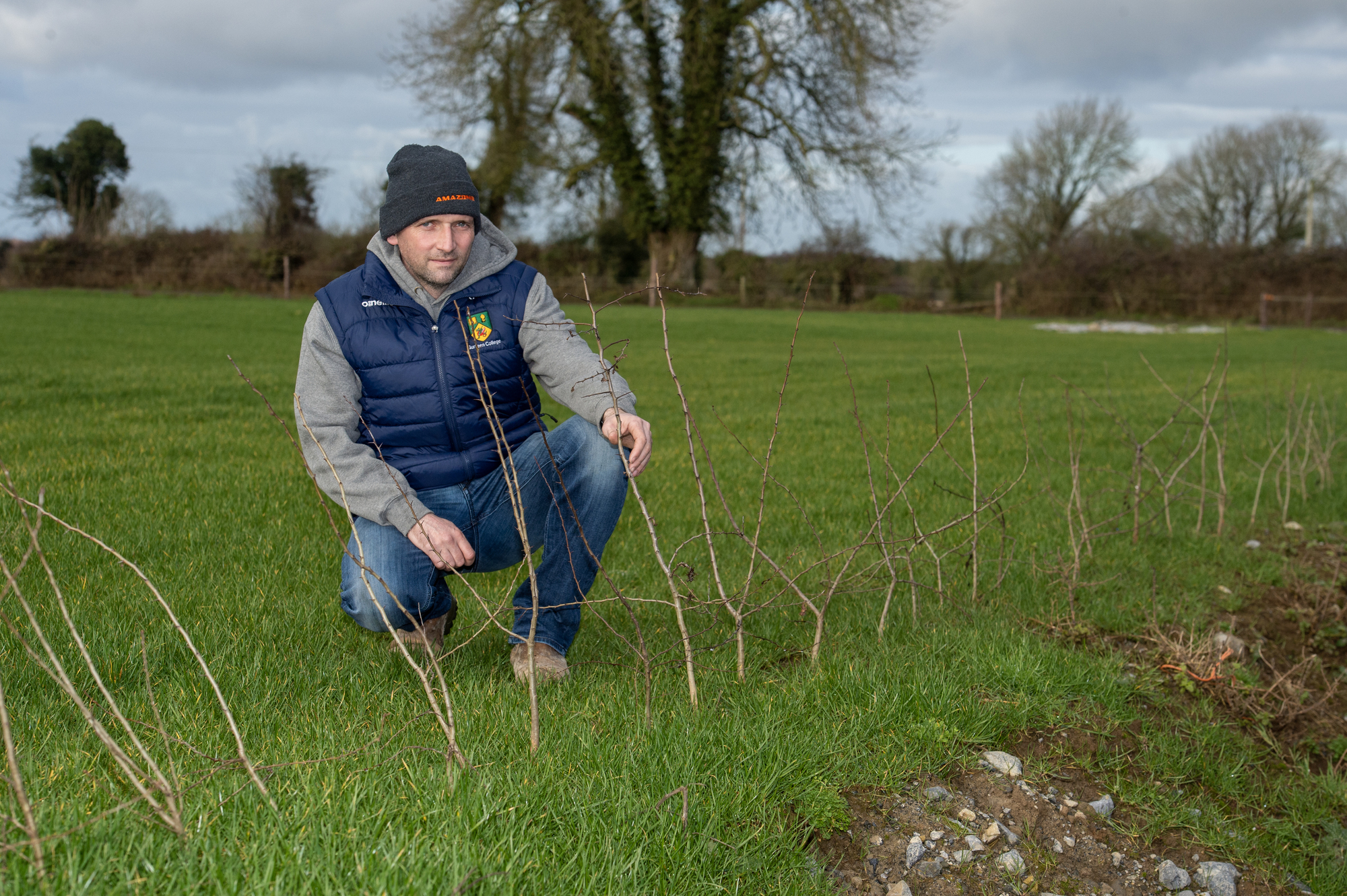
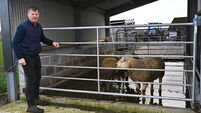
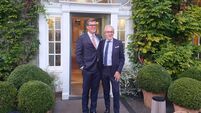
Ken Flynn, farm manager and lecturer at Gurteen College, Agricultural College in Co Tipperary. Picture: Dan Linehan
A little over a year ago, we started into a conversation with the Teagasc research team from Johnstown Castle in Wexford about the possibility of installing an eddy covariance tower in the college.
Like most midland farms, we have a variety of soil types, but it was the shallow peat land that the team were particularly interested in.
So, after a number of site tours and a little bit of soil analysis, the Teagasc staff picked a spot. It was a field with about six to 12 inches of drained peat or, as we’d call it, reclaimed bog.
The eddy covariance tower was installed, and the team gave us a rundown of how it all works, but to put it as simply as I can, the tower measures the carbon and methane going in and to the soil and out of the soil, also known as ‘net ecosystem exchange’.
Eddy covariance towers measure 10 times a second, averaged over 30 minutes year-round, providing a very accurate time series which was not previously possible. The tower also measures many other things like air and soil temperature, soil moisture at different depths, wind speed, rainfall and sunlight, but all this is to help analyse and understand the flow of carbon and methane in and out of the soil.
After a few more months, the team started discussing with us the possibility of “re-wetting” the field with the tower; this was met with much reluctance and caution from those of us in the college.
So in January of this year, the shallow dam was installed in our drain to slow the flow of water.
We kept a close eye on this dam as we didn’t really know what effect it would have on the water table in this field. It is very difficult to say how it affected the field with only one spring of the drain being dammed, but it felt like the field became travelable about a week later than it would of before the dam was installed. It’ll be interesting to see how it affects the field in the autumn and into the future.
From our side, we have to supply the research team with information on grazing dates, stock numbers, fertiliser spreading etc. They can monitor the readings from the tower remotely. Still, they come onsite every week to do maintenance and check that all the equipment is functioning properly, as well as taking other measurements, such as water table level and grass height.
They tell us that they are getting some very interesting information from the eddy covariance tower. When they have enough data collected and analysed, they are looking forward to painting an accurate picture of the carbon budget.
Some early data suggests that the site is emitting less carbon dioxide than previously thought. The IPCC currently consider drained nutrient-rich organic soil to emit over 20t CO2 equivalent per hectare per year, whereas the early data suggests that this Irish study is lower.
This is pending final analysis, such as the inclusion of methane and export of carbon in grazing events. It is also very interesting to have an eddy covariance tower on a site pre and post “re-wetting”, which will be interesting to see in the carbon dioxide and methane data. They tell us it’s early days yet but are hopeful of a good news story for Irish agriculture.
The data from this tower provides the agricultural sector with an opportunity to lower emissions.
As shown in a study led by Pat Tuohy, which was published this year, there are a number of uncertainties with these sites, namely drainage status and the data of carbon dioxide exchange. The tower in Gurteen can help verify if this theory is correct with on-the-ground data.