Cover crop time is nigh - which crops should you use and where?
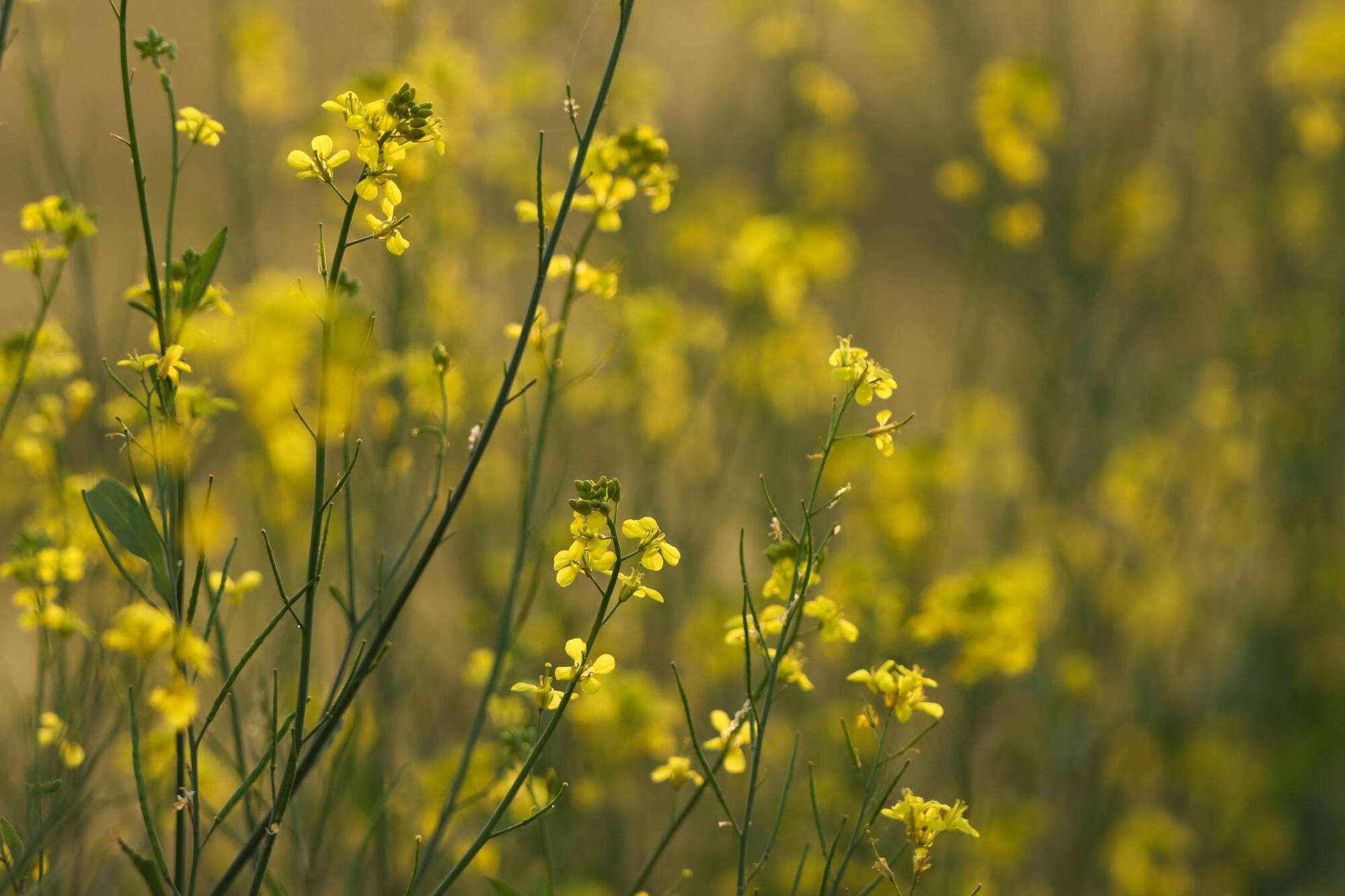
Mustard plant. Brassica juncea.
Firstly, it is important to say that there are several different names given to what is essentially the same thing, the growing of a second non-commercial crop in between two commercial crops.
The names originate from the objective in sowing these crops:
- Cover crop was in order to cover the ground with green material to prevent soil erosion;
- Catch crop was to ‘catch’ and capture free nutrients in the soil during the autumn to prevent these from being leached into groundwater; and
- Green manures were grown to bulk up and subsequently release nutrients for the benefit of the following commercial crop.
To a greater or lesser extent, they all fulfil these objectives, so we will use the term cover crop for the purpose of this article.
The Nitrates Directive was designed to protect water quality from pollution by agricultural sources.
New rules introduced in 2022 as part of the Nitrates Directive requires tillage farmers to take measures to establish green cover (on land which will not be winter sown by 31st October) as soon as possible after harvest to prevent the pollution of water caused by nitrates.
Shallow cultivation must take place within 10 days of the baling of straw, or of harvest if the straw was chopped, and within 14 days of harvest in all other circumstances.
As cultivations are compulsory on 75-80% of the land destined for spring cropping, an opportunity to sow cover crops while carrying out this function may be worth considering.
Method of establishment and machine choice vary widely as visitors to the Crops and Cover Crop Cultivations event held on June 21 will have seen, but the most important thing is to ensure that cultivations are shallow (50 – 100mm) and that consolidation by rolling is completed immediately after sowing to ensure adequate soil to seed contact and moisture retention in the soil.
There are broadly three main categories of cover crops grown, each with different end goals. It is important to consider these before deciding on what cover crop mix to use.
The first is as a means of livestock grazing in early spring where a large biomass production is vital to maximise the benefit.
The second is to increase soil organic matter levels and improve soil structure, while the third is less common but quite effective as an integrated pest management (IPM) means of using cultural control to flush out problematic (or herbicide-resistant) grass weeds on tillage farms, thereby lowering herbicide use on the farm.
Species choice should be tailored to the end-use goals, bearing in mind rotational break crops grown on the farm. For example, if oilseed rape is grown on the farm, brassicas should be avoided for fields in oilseed rape rotation to avoid the build-up of clubroot infection.
Likewise, if peas or beans are the main break crop on the farm, legume species must be avoided. Similarly, if oats are a major crop in rotation on the farm, you are increasing the likelihood of oat mosaic virus problems building by using oats in the cover crop mix.
Other considerations are winter hardiness. For livestock grazing in early spring, this and a bulky crop are most important, so if possible, brassicas like forage rape and leafy turnip should be in the mix.
For improving soil structure and increasing soil organic matter, deep-rooting species such as tillage radish or mustard should be used along with shallow-rooting species such as phacelia.
|
Cereals/Grasses |
Brassicas |
Legumes |
Others |
|---|---|---|---|
|
Oats |
Mustard |
Vetch |
Phacelia |
|
Rye |
Tillage Radish |
Peas |
Buckwheat |
|
(Wheat) |
Fodder/forwage rape |
Beans |
Linseed |
|
(Barley) |
Leafy Turnip |
Crimson clover |
Sunflower |
|
Black oats |
Berseem clover |
||
|
Ryegrass |
Red clover |
If targeting grass weed control, the more open the crop the better in order to flush out as many weeds as possible from the seed bank, so open crop species like mustard, phacelia, or vetch work really well for this goal.
There is very little research work done in Irish conditions on the effectiveness of very complex mixes versus simple two/three way mixes, however, if you are mixing your own straights, bear in mind the complexities and seek help from your advisor to tailor the best mix to suit your needs.
Sowing Date Above all, sowing date will have the biggest influence on the success or otherwise of the cover crop sown. Early sown is essential to achieve good autumn growth for all end goals.
Experiments at Teagasc Oak Park have shown a linear reduction in biomass production as sowing date is delayed. The mustard in the experiment lost 2tDM/ha for each three-week delay in sowing, clearly showing that cover crop sowing should be prioritised as soon as harvest is complete and straw has been removed.