A closer look at profitable dairy-calf-to-beef systems
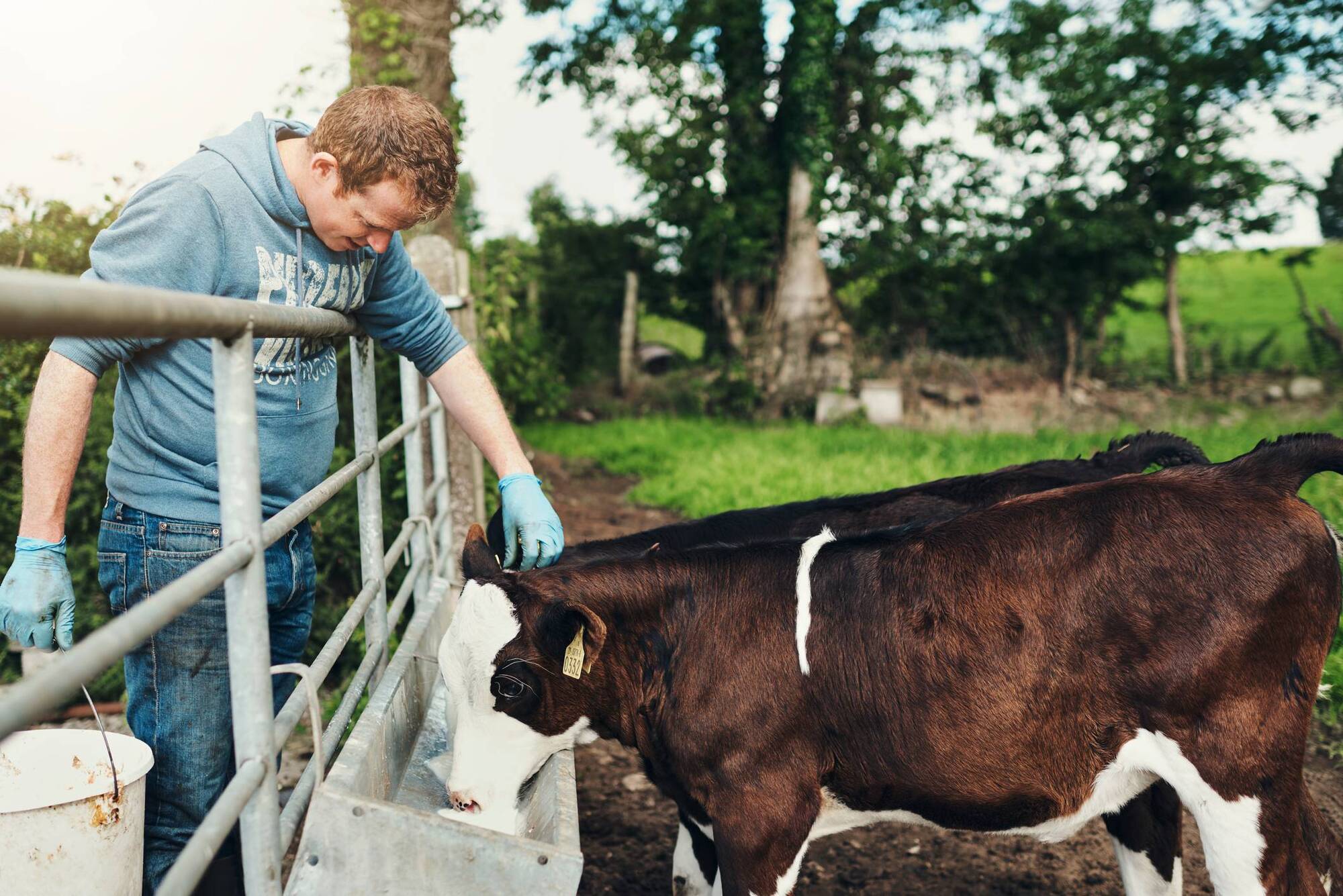
The introduction of new technologies, such as sexed semen, along with the Dairy Beef index (DBI), has opened up a new world of opportunities for beef farmers.
Once considered a 'first-world' problem for Ireland’s ever-growing dairy industry, “dairy-calf-to-beef,” as it is commonly known, is now seen as a viable business option for many smaller farms or once-suckler farms as it quickly becomes a more common and popular model of producing beef.
At the same time, the introduction of new technologies, such as sexed semen, along with the Dairy Beef index (DBI), has opened up a new world of opportunities for beef farmers.
The first round of breeding is coming to an end on the majority of dairy farms, and the repeats are often where the majority of beef sires are used. Sexed semen has allowed dairy farms to handpick which cows are used for producing replacements, affording farmers with a great opportunity to breed a higher-valued beef calf for the coming spring. Using the new Dairy Beef Index to help select bull sires for the dairy herd is a win-win situation for both beef and dairy producers.
The four fundamental principles of running a successful dairy can be applied to dairy-calf-to-beef. Those four principles — which should be considered non-negotiable — are as follows:
- Grassland management;
- Genetics fit for purpose;
- High-quality nutrition;
- A herd-health plan.
Let’s break these non-negotiables down by looking at the basics of each principle.
In order to be profitable in a dairy-calf-to-beef system, grassland management must be the cornerstone of the business.
Taking the time to set up the farm in paddocks that can be grazed out within 36 hours is key to optimizing grass quality for these animals. In a dairy-calf-to-beef system, it is important to keep the beef system clear and concise.
Additionally, avoid running loads of small bunches of cattle; aim for two to three bunches instead. These bunches of cattle can be separated out as follows:
- Calves (0–12 months);
- Heifers (12–24 months);
- Steers (12–24 months).
The greatest demand for grass in a dairy-calf-to-beef system occurs in autumn, when all three of the groups outlined above are reaching maturity. The older cattle are nearly ready for slaughter, and the calves’ grass intake is starting to increase.
Proper grassland management makes it possible to have beef heifers slaughtered off grass at 19 months of age, before their second winter. In order to achieve this, the quality of the grazed grass must be excellent throughout the entire grazing season.
Aim to turn out yearling heifers as early as possible at 230–240kg liveweight to graze off old pasture that has grown over the winter. This will encourage the grass to tiller and will promote the start of a new rotation.
By the time the heifers reach 19 months of age, they should be aiming to reach 550kg of liveweight. Over the course of a heifer’s life, this should amount to an average daily gain of 0.88kg, assuming the calf was born at 40kg.
Offering paddocks that are a suitable size for groups is critical to ensure that rotation lengths are kept to an average of 21 days. Aim for an overall farm stocking rate of 2.5 LU/Ha. This will allow for surplus silage to also be taken off from the grazing platform.
In dairy-calf-to-beef systems that want to achieve 280-plus days at grass, attaining early-maturing animals is critical for the business. Aiming for early-maturing stock is also important because these calves are suited to a grazing system and have the potential to be finished before a second winter. Typically, heifers will achieve a kill-out of 50%, which, at a liveweight of 550 kg, works out to a 275kg carcass.
Aiming for cattle that can meet these specifications is critical for achieving profitability. In the case of an early-maturing steer being slaughtered at 650 kg liveweight at 22 months of age, the carcass will typically weigh 325–350kg, depending on getting a higher kill-out percentage of 50–53%.
Beef farmers will benefit from establishing a good relationship with local dairy farmers, as this will allow for open discussions about the use of particular sires across the dairy herd, which would work well for both parties. Having a calf that is more saleable for the beef farmer is also in the best interests of the dairy farmer. Aim to use the DBI in selecting beef sires for dairy herds to maximise the amount of kilograms of beef that can be sold.
At all times, the focus for any beef farm should be about putting on kilograms of liveweight as efficiently as possible. There should not be a day in which an animal is not gaining weight and thriving. The term “compensatory growth” is often used to refer to cattle only being “stored” over the winter based on the reasoning that they will catch up on their weight when they go back to grazing. This idea should be disregarded. Instead, aim to reduce the age at slaughter, because that will, in turn, reduce the overall carbon footprint of the farm.
There are three key stages of beef nutrition:
- Calf stage (0–6 months);
- Growing stage (7–18 months);
- Finishing stage (18–22 months).
The key focus for farmers during the calf stage is to develop a fully functioning rumen so the animal will be able to handle lush grass throughout its life. Doing this takes time, and a calf can’t fully digest grass until it reaches six months of age.
Throughout the first grazing season, it is advisable to keep calves on a minimum of 1kg of a 16%-crude-protein ration, along with a fibre source, such as chopped straw in the paddock. The concentrates will help with growth, and they also work as a carrier for the key minerals that are required to meet the calf’s growth demands.
During the growing stage, cattle can begin taking in higher levels of protein through their diets. Grazed grass offers a combination of high protein (20–25%) and high energy (11.5–12 ME), which is ideal for helping beef cattle grow carcass and lean muscle.
The finishing stage may be short and sharp, provided the first two stages were well-executed. Early-maturing heifers can potentially be slaughtered off grass without any concentrates if the grassland management is kept to the highest standards — but this can really only be achieved by utilizing rotational grazing. If cattle are struggling to get that final fat score of 3= off grass, feeding 3–4kg of a high-energy, low-protein concentrate per head per day is recommended.
Aim for feeds with high percentages of barley and maize meal, along with a good digestible fibre source, such as beet pulp. Additionally, use rations with lower levels of protein (e.g., 12–14%). Finally, finishing rations also benefit from the inclusion of a live yeast, such as Yea-Sacc, which can improve feed efficiency by working to maintain a steady rumen pH, which helps prevent acidosis.
The final piece of the puzzle is herd health. Having fit, healthy animals will always lead to better thriving and daily liveweight gains. Speak to your local vet to create a herd-health plan for each of the different groups on your farm.
Calves will require vaccines at different points throughout the year. Pneumonia is the greatest killer of calves less than 12 weeks old, so protecting against it and other issues by using vaccines for IBR, RSV and PI3 will benefit the long-term health of your beef herd.
On the dosing side, typically, calves will require their first dose by the start of July, as the worm burden will have risen after the first spell of warmer weather. The best practice is to take a pooled faecal dung sample from 12 to 20 cattle and ask your vet to recommend a dose that will kill the offending parasite.
Dosing by the calendar is never recommended, as it can create its own issues if the cattle build up resistance to the dose being used. Instead, aim to dose animals as required throughout their lifecycle. Do this in conjunction with advice from your local vet.