More hype than bite? The challenges new foods face
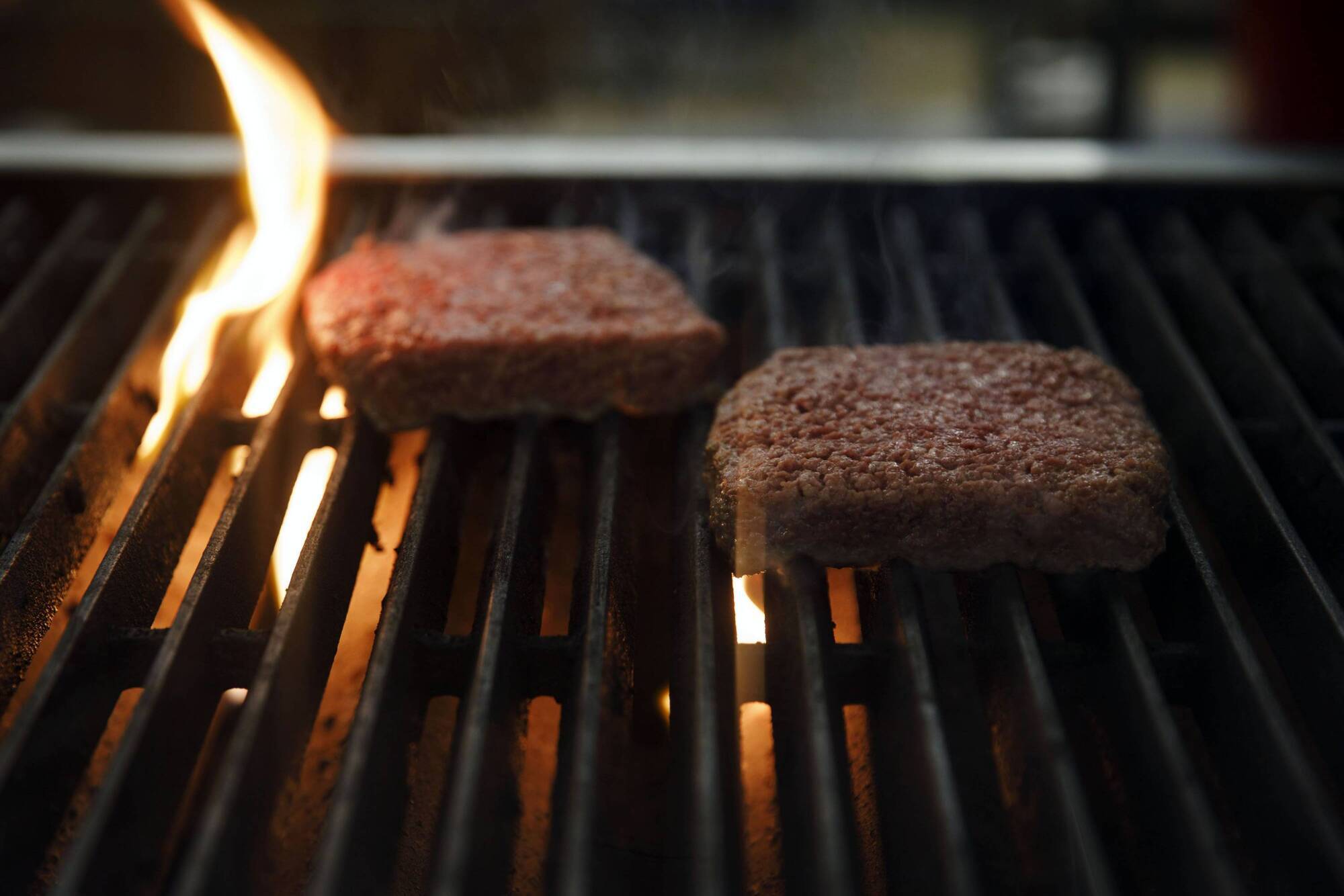
Alternative products such as plant-based meat that first hit the market in the late 2010s have seen volumes drop from pandemic peaks.
Investors have been warned of disruptive innovation in food products, by one of the banks most involved in food and agriculture.
According to Tom Bailey, consumer foods senior analyst at Rabobank: "It’s more challenging to change what consumers eat than how they eat. Especially if there is a familiar, better-tasting alternative. Furthermore, the economic environment has also changed".
The explosion of disruptions over the past decade included plant-based meats, insect protein bars, synthetic fat replacers, and precision fermented milk proteins.
All promised to revolutionise eating."However, there has been more hype than bite for many of these products", said Bailey.
The analyst predicted the next few years would bring about far more incremental innovations, and fewer disruptive innovations, in consumer foods.
"Disruptive innovations will likely face more rigorous evaluation, resulting in fewer but potentially more successful disruptive products that have endured more intensive vetting".
Rabobank is the world's leading financial services provider for the food and agribusiness sector, and another of its analysts, JP Frossard, has sounded a warning for companies in the US market selling plant-based meat alternatives.
He said: "In sharp contrast with the high-growth expectations set when these products first hit the market in the late 2010s, volumes have dropped from pandemic peaks, and the category is now crowded. A consolidation process is already under way, with many players reducing portfolios or simply turning the lights off.
"Moreover, sensory flaws have been listed as a major deterrent for consumer adoption of meat alternatives", said Frossard.
He advised the plant-based movement could benefit from a reduced association with meat-mimicking, and an increased focus on nutrition and clean ingredients, because sustainability appeals would not do the job alone.
The advice came too late for Meatless Farm, based in the UK, which has stopped trading and made its 50-strong workforce redundant. It was founded in 2016, and has raised about €50m from a range of investors.
It fell victim to an estimated UK sales slump for meat-replacement products of €43m in the year to September 2022, as the cost-of-living crisis put pressure on shoppers.
Meanwhile, experts at Wageningen University in the Netherlands, ranked one of the best globally for food science, has said the shift in consumption from animal to more plant-based proteins is important for promoting human and planetary health, but the trend is slow.
The latest figures from the Dutch National Food Consumption Survey showed only a slight shift. The 39% of proteins from plant-based foods in the 2012-2016 period has shifted to 42%. The Dutch government aims for a 50/50 balance in 2030.
The slow changeover presents another challenge for the European Green Deal, on top of resistance to its nature restoration and pesticide restriction policies. One of the Green Deal aims is to improve the availability and price of sustainable food, and to promote healthy and sustainable diets.
At Wageningen University & Research, the opportunities for and barriers against people eating more plant-based food were investigated by a team of researchers. They recommended using the procurement policies of public organisations, such as governments, schools, universities, hospitals and prisons, to accelerate the shift from animal to plant-based proteins.
Recommended "quick wins" were using oat milk in coffee, and mixing plant-based products which imitate meat or dairy with hybrid products (partly meat, partly plant-based), and traditional protein-rich products such as legumes and nuts.
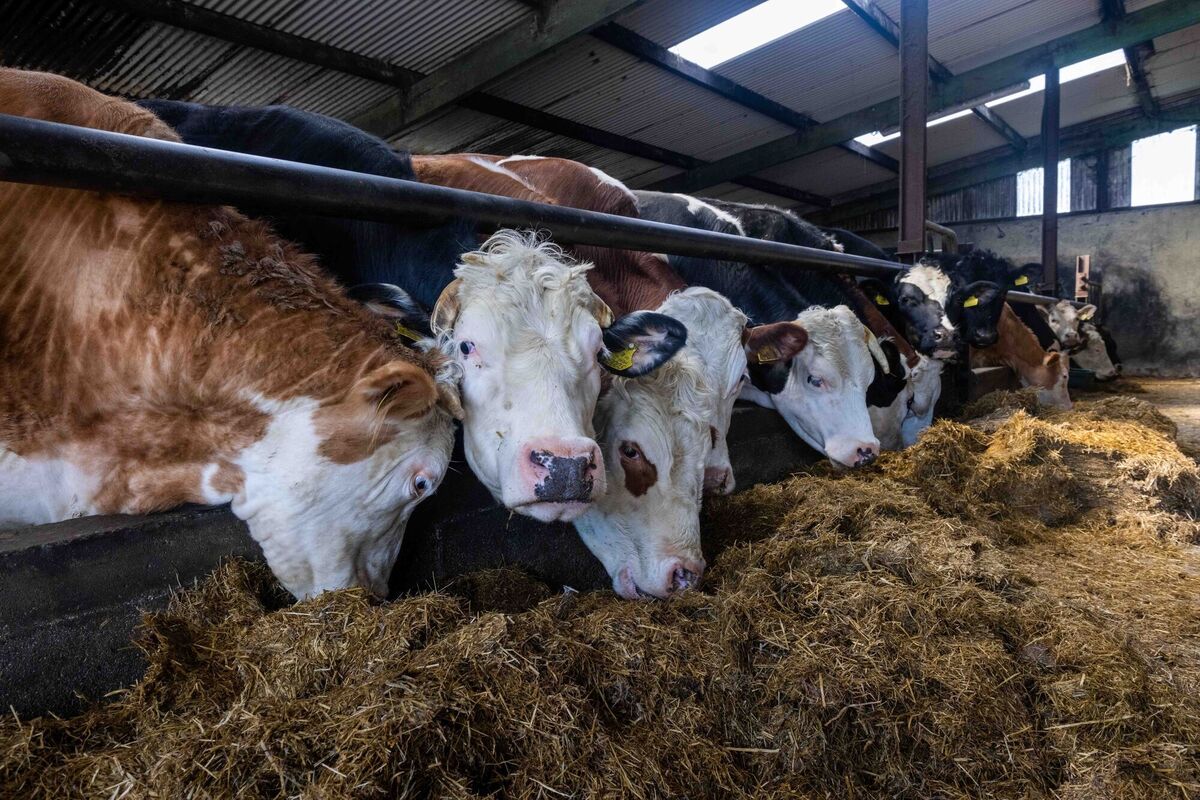
Of course, shifting European consumption towards the diets favoured by the European Green Deal would reduce animal-based production, while production of fruits and vegetables would increase sharply.
Countries and regions highly specialised in animal farming are likely to lose income, at least in the short run, according to an impact assessment by the Thünen Institute, Germany's Federal Research Institute for Rural Areas, Forestry and Fisheries.
It found that pig and poultry farms in Germany may see losses of up to 34% of their income, whereas farms with a high share of vegetables could gain more than 30%.
But Irish farmers would be the most affected by an EU diet transformation, suffering agricultural income losses between 24.8% and 66.8%, due to their specialisation in beef and dairy production.
Income losses in Denmark would range between 17.2% and 43%, according to the Thünen assessment.
In Italy and Spain, income gains of between 3.2% and and 15.7% were predicted. However, their olive oil producers would see prices falling between 51% and 150%.
On the other hand, global vegetarian or vegan diets could reduce food-related GHG emissions by as much as 80%, and it is claimed premature mortality could be decreased by 19%.
Europeans eat 78kg of meat and 216kg of dairy products per year. According to Thünen Institute research, per capita consumption of red meat in Europe already decreased by 4.3kg between 2010 and 2019.