Vet on the Moove: More than 10 reasons to use a 10-in-1 Blackleg vaccine
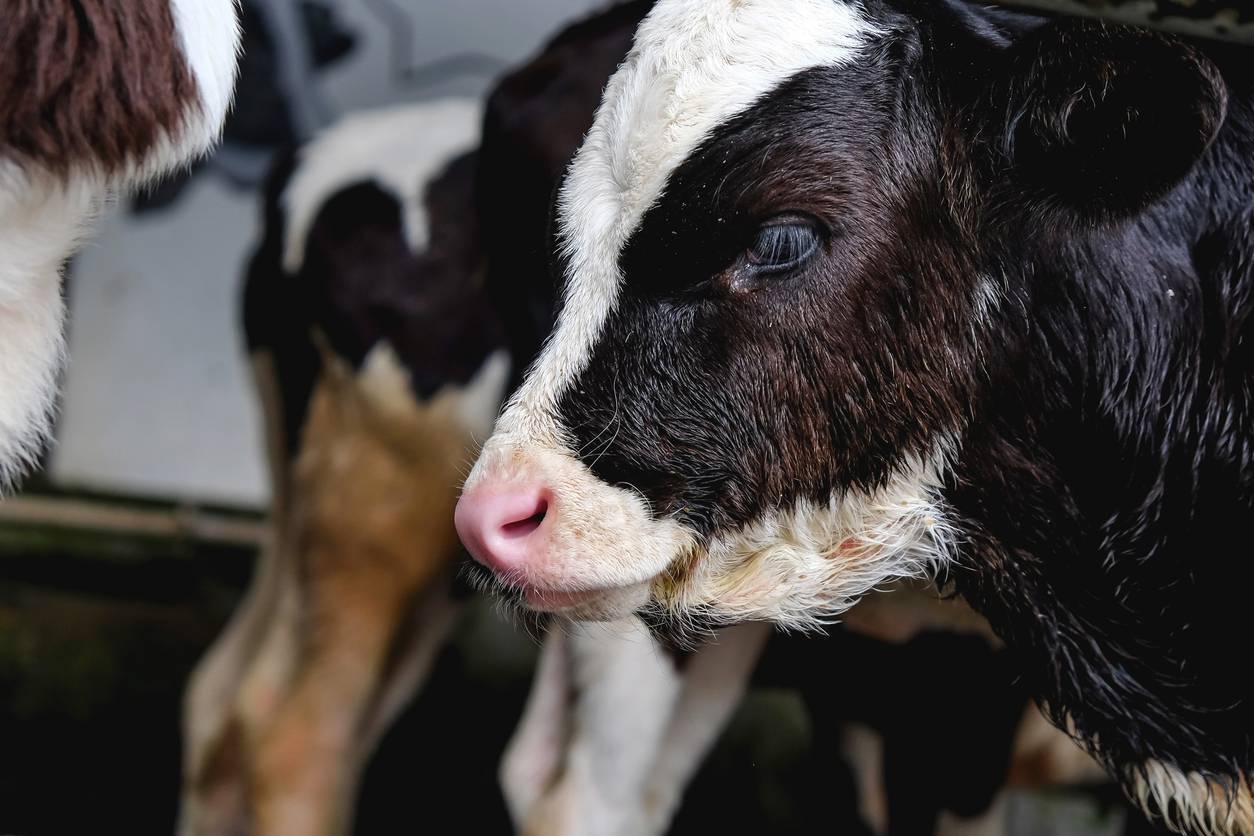
In the middle of the heatwave, it was, unfortunately, time to vaccinate the calves for ‘Blackleg', the colloquial term used to describe a multi-variant Clostridia vaccine.
It’s ironic that after me writing about fly prevention last week that I got bitten by a horse fly in Glangarra woods near Cahir that very weekend and a very irritating blue bottle is currently circling the room as I write.
I have ridden horses my whole life and got my first horse bite on a hike with no equids in the slightest present, I had to laugh but the itch and swelling was no laughing matter.
The poor horses are being tormented all summer, I didn’t mention them in last week’s article, so please don’t forget our equine friends when it comes to fly control.
In the middle of the heat wave, it was, unfortunately, time to vaccinate the calves for ‘Blackleg', the colloquial term used to describe a multi-variant Clostridia vaccine.
There are eight-in-one clostridia vaccines that lack C. Sordeli and C. Perfringens A, we have a history on the farm of clostridial disease so we choose the 10 in 1 option. Vaccination is vital as, unfortunately, even with early intervention of antibiotic treatment, the majority of the cases are fatal.
Clostridia is a family of anaerobic bacteria that release resistant spores into the environment and organic material.
These highly resistant spores can lie dormant in the ground and it's only when earth is moved, for example, during excavation works, that the spores are ingested by the animal. Spores can also enter the body from injection sites or cuts that the animal may receive and multiply rapidly to cause sudden death.
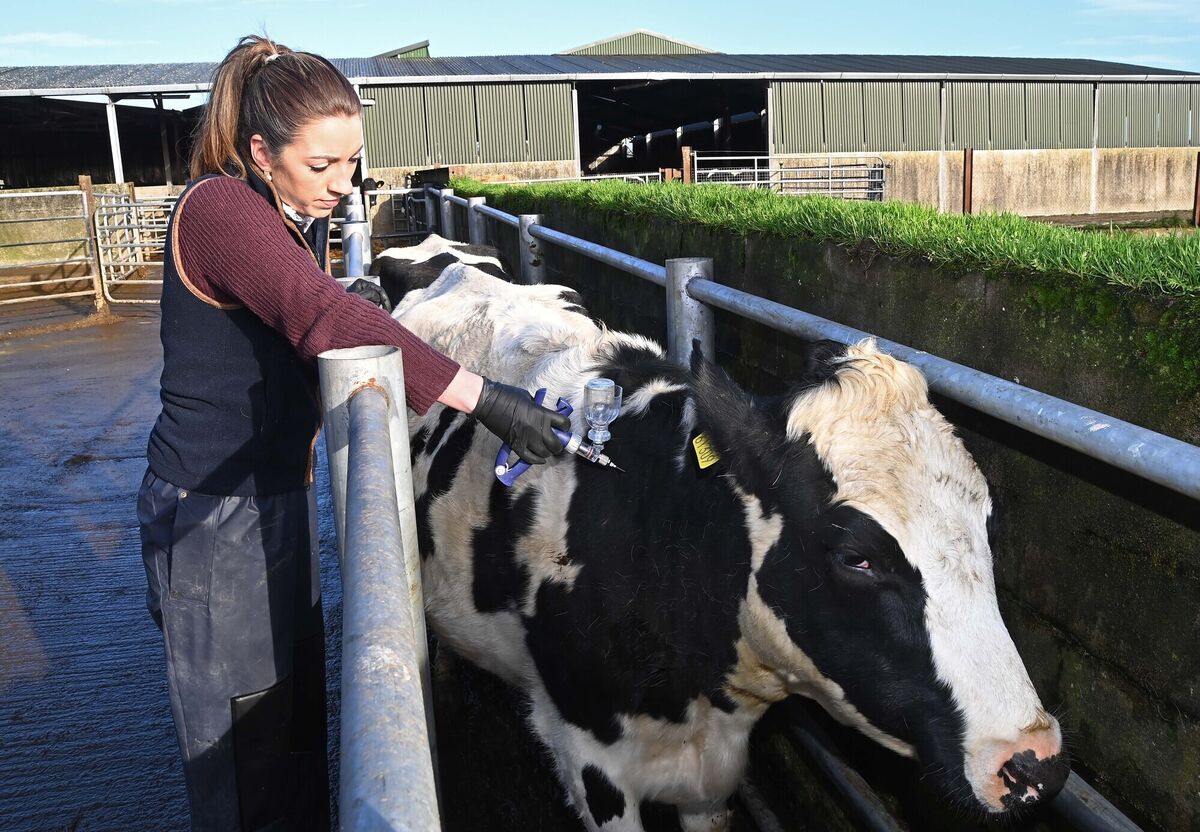
Needle hygiene is vital when administering any vaccine or medication to animals and also change a needle if it is dropped on the ground at any stage.
Injuries from bulling and from feed barriers can act as an entry point for the spores. An important time to have full coverage on board is when castrating bulls as they return to the field with a potential route of infection.
Blackleg is probably the most well-known disease that the vaccine helps prevent and hence why it donates its name to the vaccine.
Blackleg itself is caused by C. chauvoei, which often occurs when cattle are turned out to new pastures, usually with a history of recent construction works.
The spores enter the body via a skin abrasion, as discussed earlier. It gets its name from the characteristic black necrotic muscle it causes at the site of infection, which, more often than not, is a leg.
Tetanus is one disease that in cattle practice I have seen in practice, but thankfully, it is rare due to vaccine usage.
It has a very classic appearance when it does occur - animals are generally stiff, with a raised tail head, bulging eyes, and lockjaw, and progresses to seizures. Tetanus is extremely important to prevent in castrated males, no matter what method is used.
Malignant Oedema is also covered by the vaccine, It is caused by a combination of clostridia bacteria.
Like its cousin, Blackleg leads to local tissue necrosis, where an entry point was formed by injection or other abrasion.
It usually manifests for me as a call to an animal with suspected timber tongue; however, the animal is very unwell and has a huge swelling under their jaw.
I always take an aspirate of the fluid from the jaw; it will have a red/purple tinge and have a characteristic clostridia smell; trust me, it’s not good.
Black disease or infectious necrotic hepatitis is an interesting disease process covered by the vaccine, as it usually occurs secondary to a liver fluke infestation.
The bacterial spores enter the liver via the damage caused due to the fluke, which again causes fatal toxaemia to the animal. Fluke control alongside clostridial vaccination is the key to prevention.
Over the years we have had losses due to clostridial disease and it was always in male animals that have uprooted ditches of earth.
It was always in the same two fields at one side of the farm that the losses occurred, and for this reason, we have to booster our older stock annually.
It is an inexpensive vaccine for the most part, and to save a 24-month-old bullock it’s worth the investment of an added booster.
The first batch weaned were getting their booster four weeks after their initial dose, and the later weaned calves were getting their first dose to be followed by their booster in four to six weeks’ time.
It is recommended that calves are at least eight weeks old when receiving their first dose as maternally derived antibodies that they consumed in their colostrum feed will interfere with the vaccine before this time frame.
If you give a vaccine before the eight weeks of age due to early turn, it may be advisable to add a third booster to the regime to make sure the calves are fully covered.
A question that I sometimes get asked would be “Can I give another vaccine with Blackleg vaccine?”
I would never advise giving any other vaccine with a clostridial vaccine as there are up to ten variants in the one dose and the immune system would be overloaded trying to launch numerous responses.
Always keep it in the fridge as with any vaccine, and store in that handy shelf in the door as it keeps the most constant temperature.
The cool bags that you get travelling from the vets will only keep cool for a few hours, and it’s important to make collecting vaccines your last job on route home.
Contact your vet today to discuss Clostridial disease prevention and the risk areas of your farm for spore exposure from Blackleg to tanning legs. As I write this, it is time to get the glad rags on for the National Dairy Awards, looking forward to meeting fellow nominated vet colleagues such as Michael Daly, Eamon O’Connell, and Michael Piggott, not to mention the numerous outstanding nominated farmers I have worked with over the last 10 years.