Survey shows farmers starting to get on board with nitrates rule changes
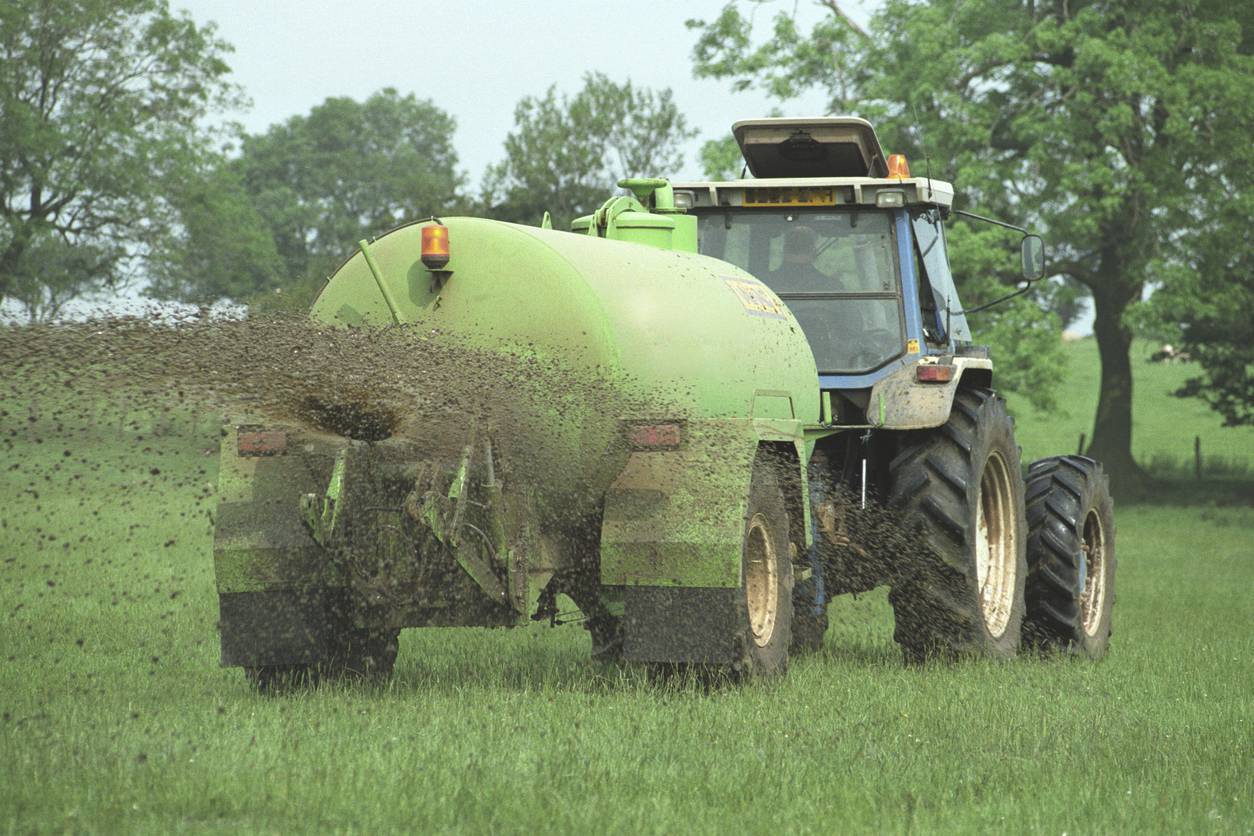
The measures include new closed periods for spreading slurry and chemical fertiliser.
A small survey of dairy farmers last January indicated that many didn't know exactly how much nitrogen they spread per hectare. They knew how many tonnes they bought, but were unclear on the kilos of nitrogen per hectare, despite it being a vital figure that determines which nitrates regulations (including derogation) apply on each farm.
However, the survey findings showed that farmers in derogation had a better knowledge of their nitrogen per hectare. But all farmers must now get to grips better with these figures, so that they can ensure they are compliant with the 10% cut in nitrogen applications, which is one of the newer nitrate regulations this year.
The survey results were revealed in Teagasc’s Environmental Edge podcast, when sustainability advisers Deirdre Glynn and Cathal Somers spoke to Teagasc Walsh Programme Masters student Diarmuid Mulkerrins about Diarmuid's survey of how farmers were adapting to the many new nitrates rules which were introduced in March 2022. He conducted a survey of 42 farmers.
The survey's evidence of confusion among farmers did not come as a surprise to the three podcast participants. They agreed there is an awful lot for farmers to take on board in the new rules.
The 42 dairy farmers consulted by Diarmuid were drawn from the more than 300 participants within the six areas of the Teagasc Agricultural Catchments programme. These areas range from Cork to Monaghan, Wexford to Mayo, with varied soil types and different dairy farming systems.
The sample of 42 are all full-time farmers, with an average age of 53 years, farming 72 hectares on average, with 122 cows on average, for a stocking rate of 202 kilos of N per hectare.
Two out of three are spring-calving herds. Importantly, 64% of the farms were availing of the nitrates derogation.
When interviewed in January, the farmers were far from 100% convinced that the new rules would help to improve water quality nationally. However, three months later, they may have different views now, thanks to knowledge of the rules and their effect increasing since January.
Back then, only 36% of the farmers felt that the new nitrates banding regulations would be positive for water quality nationally.
Of the 42 farmers, there were 34% in band three (assigned a herd nitrogen excretion rate of 106kg per cow, compared to 89kg previously); 60% in band two (assigned a herd nitrogen excretion rate of 92kg), and 7% in band one (assigned only 80kg, compared to 89kg previously). This banding was based on two-year rolling average yield data available to Diarmuid at the time he spoke to farmers.
However, 17% of the farmers themselves didn't know in January which band they were in (it wasn't until March that farmers were required to indicate to the DAFM which band they were in). Since January, there has been a lot of publicity and adviser work with farmers, so most are now likely to know which band they are in.
Two out of three farmers interviewed by Diarmaid agreed or strongly agreed with the statement, “Changes to soiled water storage and management will have a positive impact on water quality nationally”. But there were less certain if this is the case on their own farm (because they believed they were already compliant with the imminent December ban on soiled water spreading).
The new regulations stipulate spreading bans requiring longer storage periods for soiled water, extending this year to 21 days, from December 10 to December 31, and for the full month in subsequent years (but delayed to 2026 for winter milk supply contract farmers).
When Diarmuid talked to the farmers in January, he learned that of the 26 (62%) who said they had sufficient soiled water storage, 11 were storing all their soiled water in the slurry tanks. This is not ideal, insofar as it reduces slurry capacity.
Of those with designated soiled water storage separate from slurry tanks, only half had sufficient storage for soiled water. Most of these had only 10-19 days of storage. Already in 2023, they need storage for 21 days, so many are not compliant with regulations unless they take action. They said this action, in most cases, is likely to be storing soiled water with slurry. But that could increase the danger of running out of slurry space in the spring.
In the first phase of Diarmuid's study, he asked key stakeholders such as Teagasc and private advisors, DAFM officials, local government agencies, and co-ops, which of the current nitrates measures will be most positive for water quality.
The three measures selected (out of the total of 11 nitrates actions) were soiled water, livestock nitrogen excretion banding for dairy herds, and chemical fertiliser reductions. In the first phase of Diarmuid's study, he talked to farmers about these measures.
The other eight measures include new closed periods for spreading slurry and chemical fertiliser; low emission slurry spreading becoming compulsory for more and more farmers in the next two years (at grassland stocking rate of 150kg N/ha or above this year); mandatory soil sampling for an increasing number of farmers; and expanding fertiliser and slurry buffer strips.
Diarmuid also asked the 42 farmers what new actions will they take to control nitrates. Their top choice was to improve soil fertility, and specifically to take part in the liming proogramme, and incorporate clover.
The podcast was part of Teagasc's Agricultural Catchments Week. The Agricultural Catchments Programme has measured nitrate losses in six contrasting catchments every 10 minutes for the last 14 years.