Farmers 'hammered in name of bringing down food prices'
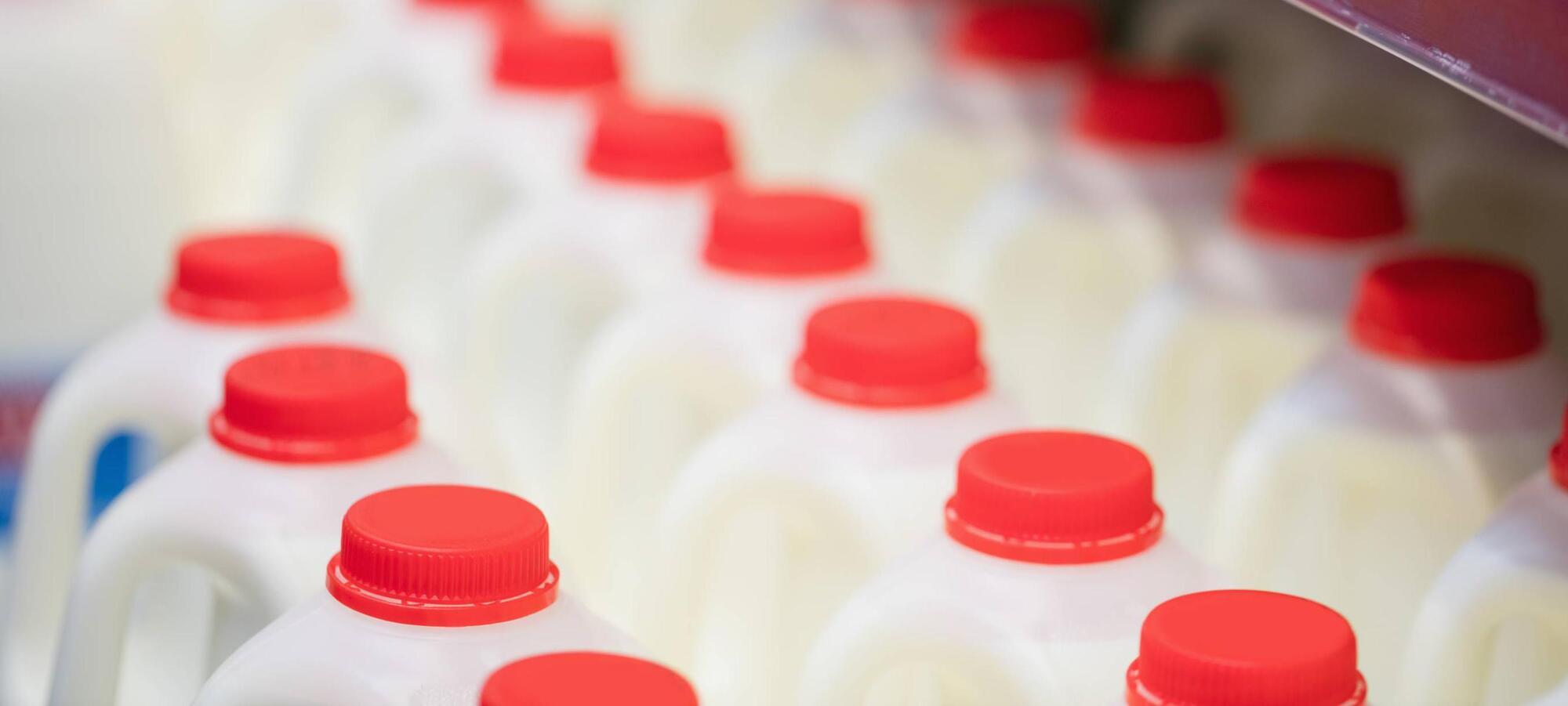
Most primary producers are operating with 'tiny margins and have next to no bargaining powers'. ICSA beef chairman Edmund Graham has again called for the Agri-Food Regulator to "forensically investigate who is making what along the food chain, and to expose profiteering", he said.
Farmers fear they are "the ones being hammered in the name of bringing down food prices", a farm organisation has said.
Most primary producers are operating with "tiny margins and have next to no bargaining powers when it comes to negotiating with the big retailers", the Irish Cattle and Sheep Farmers Association said.
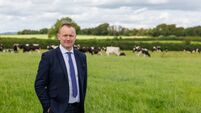
ICSA beef chairman Edmund Graham has again called for the Agri-Food Regulator to "forensically investigate who is making what along the food chain, and to expose profiteering".
"While we are moving nearer to this becoming a reality, progress on the establishment of the office of the Agri-Food Regulator has been painfully slow," he said.
"The time for greater transparency has surely come, and the necessity of a food regulator, with adequate powers, should now be clear for all to see."
Mr Graham said that Government cannot "be manipulated by supermarket interests when it comes to the pricing of key staples like meat, bread, vegetables, and dairy".
Last week, Minister with special responsibility for retail business Neale Richmond chaired a meeting of the Retail Forum.
Speaking after the meeting, Mr Richmond said: "It is quite clear that many families and workers are struggling with increased costs at the supermarket checkout.
"We have seen cuts to the price of butter, milk, and bread prices in recent days; these are to be welcomed.
"I am pleased to say that I received assurances from retailers that, where reductions in input costs filter through to products, consumers will benefit from this."
The bill to bring in the new Agri-Food Regulator was debated in the Dáil last week, with a number of TDs saying that the legislation will not go far enough.
Speaking on amendments she has brought forward which seek to ensure that the new office is empowered to examine issues and publish information around the cost of production, Social Democrats leader Holly Cairns said that the bill as it currently stands "does not explicitly require full and transparent analysis of the true cost of producing food that we all consume and that is exported".
"I am seeking to ensure the bill goes as far as it can for farmers, fishers, and primary producers. Their work is essential but too often they operate at a loss or barely get by while, at the same time, food processors, major retailers, and wholesalers make massive profits," Ms Cairns said.
"The Government has ruled out legislative measures to intervene in the market to prohibit below-cost procurement where producers get less than it cost them to produce the products.
"I recognise that this is a very complex area and there needs to be some degree of flexibility to enable negotiations and everyday commerce. However, it is disappointing that the Government is not willing to take the steps available to protect primary producers and consumers."
Ms Cairns said that it is "essential" that this law goes as far as possible in permitting the new regulatory office to investigate all aspects of the supply chain.
"It is simply wrong not to mention that it is unsustainable that farmers, fishers, and small-scale producers end up receiving less than the cost of their produce from retailers and food processors," she added.
Ms Cairns sought amendments to help "address malpractice" by requiring the new office to publish annual reports on costs associated with the production of different foodstuffs to determine the real cost of production.
"This would be significant in providing transparency and holding big players to account. This type of analysis would help join up all aspects of the food chain," Ms Cairns said.
"Producers, consumers, and policymakers could all see how much it costs for an inshore fisher to catch mackerel, how much fishers get for that fish, and how much it is sold for in the shop.
"We need to understand how much it costs to produce a kilogram of meat, fish, or vegetables, how much of that is public money, how much are producers getting, how much are consumers paying, and, crucially, what the environmental cost is."