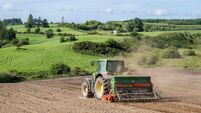
Waterford farmland most expensive in Ireland as national prices continue to rise
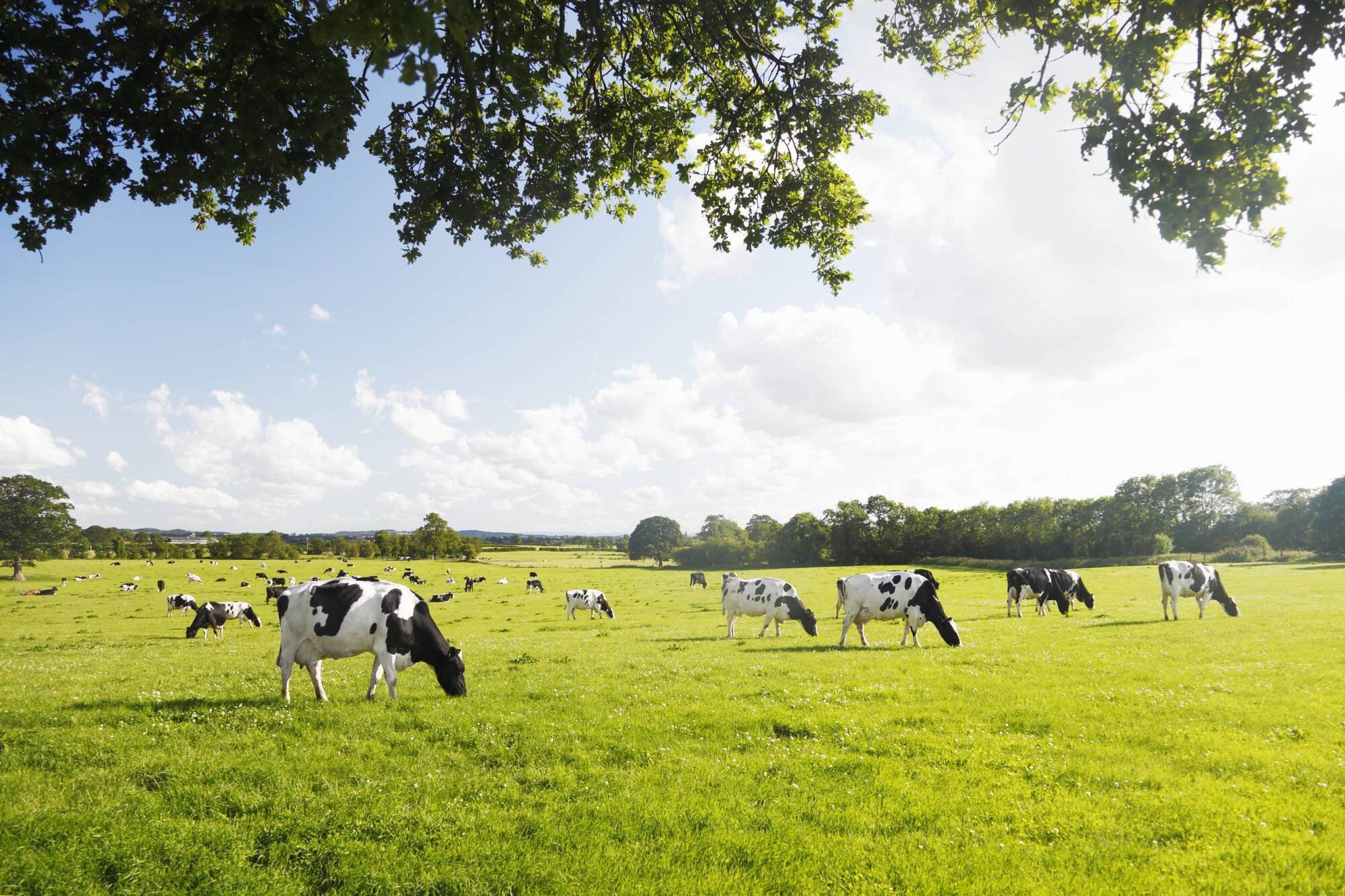
Beef farming remains Ireland's largest agricultural enterprise, with finished cattle prices rising by around 17% on the previous year.
Ireland's farmland values are forecasted to rise by 8% in 2023, with Waterford recording the most expensive land throughout the country, underpinned by a strong dairy sector.
At €17,400 per acre for good-quality land, this year's Annual Agricultural Land Market review found that Waterford, along with the rest of Munster, benefitted largely from rising interest from individuals investing in land to guard against inflation.
Published by Teagasc and the SCSI, the report also found Mayo to have the lowest value farmland nationwide, with landowners paying on average just €2,040 for poor-quality land on holdings over 100 acres.
In the rental sector, average rent prices across the country are expected to rise by 14% this year. In Munster, the figure is as high as 17%, following on from 2022 in which rent increased by an average of 13% throughout the province.
The survey of auctioneers found that prices will be driven by the constrained supply of land for rental and higher anticipated demand, particularly from the dairy sector due to new environmental regulations.
National average non-residential farmland prices in 2022 ranged from €5,564 per acre for poor-quality land — up 5% from €5,308 in 2021 — to €11,172 per acre for good-quality land – up 2% from €10,962 the previous year.
Waterford recorded the single highest price per acre in one plot size, with good-quality land on plots between 50 to 100 acres going for €17,400 per acre.
Overall, the most expensive land is in Kildare followed by Meath and Waterford.
"Eighty-three per cent of agents in our survey believe there is likely to be an increase in demand from dairy farmers to purchase farmland in 2023," Peter Murtagh, Chair of the SCSI’s Rural Agency Committee said.

Last year saw a major increase in output prices, with sheep meat being the only noted exception. Similarly, input prices also saw dramatic rises, with the costs of feed, fertiliser, fuel and other inputs all growing dramatically.
Higher energy and fertiliser prices were largely driven by the war in Ukraine, with the country's crop export reductions contributing to a sharp escalation in international grain and oilseed prices.
This year will likely see significantly higher cattle-rearing margins relative to 2022, with pork and beef prices also set to rise. On the other hand, however, milk prices, which rose by 46% in 2022, are expected to decrease compared to last year, with the cereal futures market also indicating a significant fall in output prices.
Additionally, difficult trading conditions for sheep and tillage farming are expected in 2023, with tillage production limited to just 7% of Ireland's agricultural base.
As well as its impact on energy and fertiliser prices, the war in Ukraine has also exacerbated cereal prices, with global wheat prices increasing by around 35% in 2022.
Beef farming remains Ireland's largest agricultural enterprise, with finished cattle prices rising by around 17% on the previous year.
Taking place on 11% of Ireland's grassland area, sheep production also saw increased prices, with lamb costing about 4% more in 2022 compared to the previous year.
As feed prices increased, gross margins per hectare for Irish mid-season lowland lamb producers are estimated to have decreased in 2022 by 14% to €803 per hectare, mainly due to higher input prices.