Ruairi Cummins: Losing stars and my best-paid hour on the farm
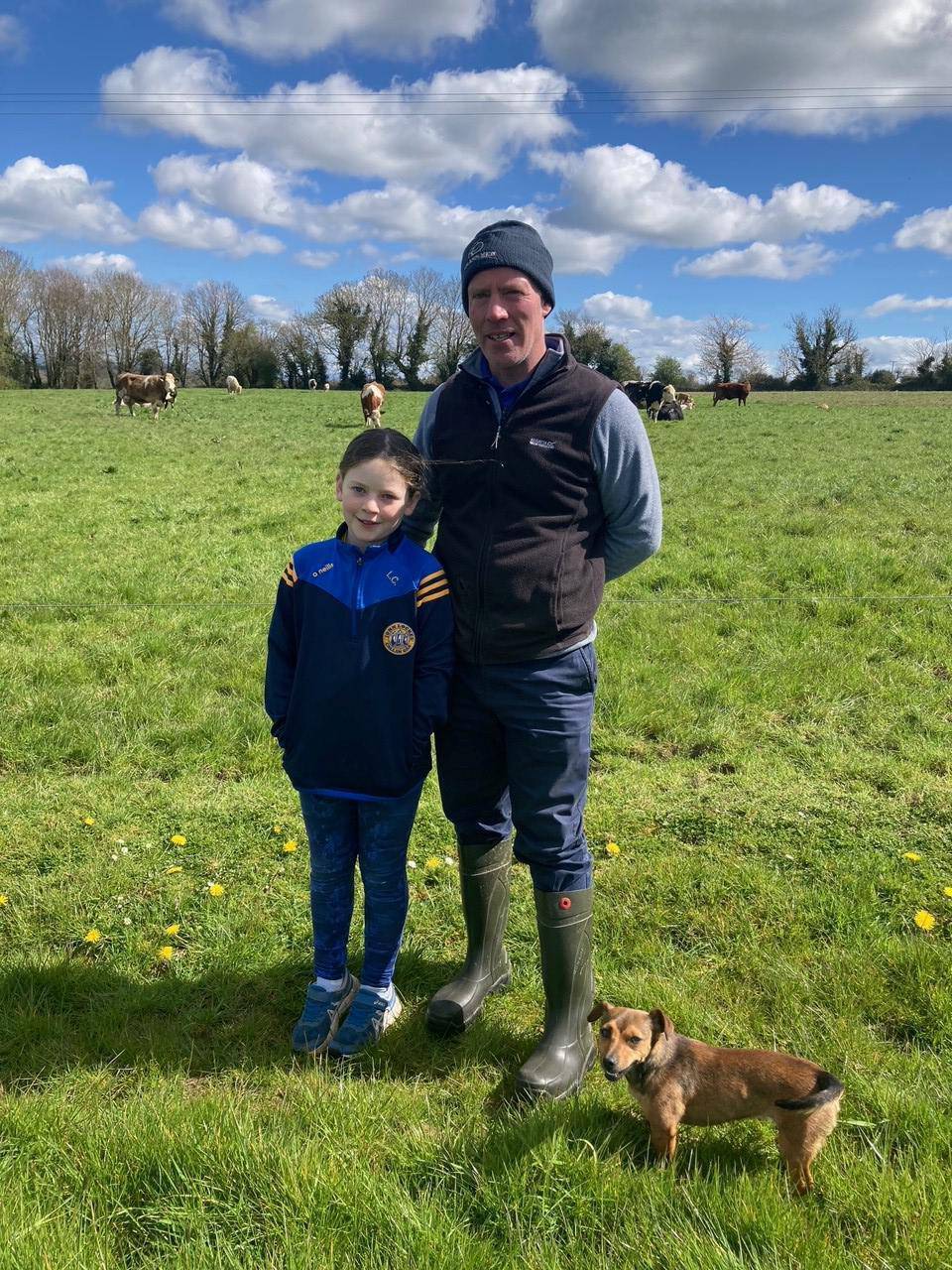
Ruairi Cummins
Our breeding season started on April 10, when the two Charolais bulls were turned out with the cows.
I have them split into two groups on the home farm, with the cows specifically matched to each bull for various reasons; some are related to one bull, and others have had calving difficulty with the younger bull in the past, so they are running with the older bull.
I was disappointed to see that the older bull, sired by CH4081 (LouLou), has dropped from four to three stars on the terminal index over time.
The bulls will be taken away from the cows on June 15 to give a ten-week breeding season, as I like to have a compact calving spread. It also delivers a more even group of calves, which is particularly important for finishing the bulls. I have since ordered AI straws for the heifers, and they will be following the same breeding season timeline.
The first batch of six finishing bulls went to the factory on April 3. They had an average carcass weight of 408kg and an average grade of U-3, which I was delighted with. They ranged in age from 14-15 months and made an average price of €2297 per head.
This leaves ten finishing bulls with an average weight of 631kg on April 1, and I expect to draft more of these by the end of the month.
I’m putting it down to a combination of the forward creep grazing at grass and the vaccinations to prevent IBR, RSV and Pi3, which I am continuing with this year. The remaining bulls are on 8kg ration/head/day, along with good-quality silage.
Thankfully, the sheds are now empty, and all the cows and calves have gone to grass full-time. It was a challenging spring to get the sucklers out, and they had to be re-housed once, although the yearlings managed to stay out full time and have now moved to the out farm for summer grazing.
I was worried about the longer housing season affecting the cows for breeding, and I fed them 2kg ration/head/day to keep their energy levels up after calving – this seems to have paid off, as many of them are cycling now.
I have a bit of paperwork to catch up on, with scheme deadlines looming.
The National Liming Programme is closing on April 20, the SCEP scheme is closing on May 22, and the BISS scheme is closing on May 29. While it can be tedious, it is still one of the best-paid hours of my time in the year!
- Ruairi Cummins is a Future Beef farmer with the Signpost programme.

BLACK FRIDAY
Already a subscriber? Sign in