Farmers hope wool council establishment will 'signal a reversal of fortune' for the sector
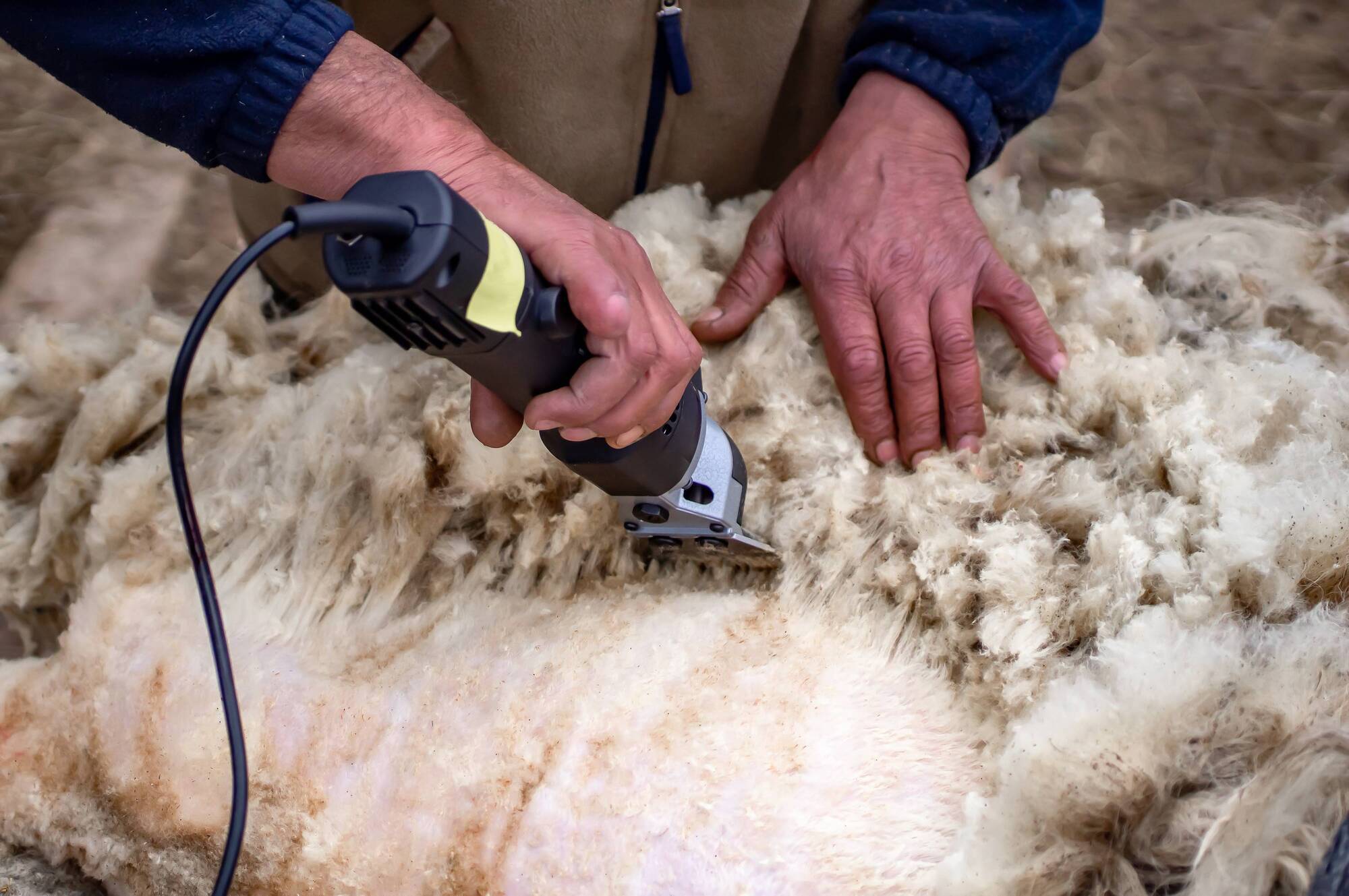
One of the key recommendations made in a €100,000 wool feasibility study published last summer was the establishment of an independent wool council.
Farmers are hoping that the establishment of the all-island Irish Grown Wool Council will "signal a reversal of fortune" for the sector.
The new wool council was formed in Athlone last week.
One of the key recommendations made in a €100,000 wool feasibility study published last summer was the establishment of an independent wool council, to be industry-led and contain stakeholders from the wool sector including farm organisations, merchants, and those in research.
These industry members first met in December as the initial first step towards officially forming the council.
The Department of Agriculture has committed to providing €30,000 in financial assistance to the initial set-up costs of the council.
The council will work on developing and promoting Irish wool domestically and internationally.
Additionally, as also recommended in the report, a wool research and innovation hub has also been created.
Initially it is being facilitated by Circular Bioeconomy Cluster Southwest at Munster Technological University Tralee.
The hub will provide research, development and innovation support to farmers, sole traders, enterprises, and those wishing to make best use of this natural Irish-grown resource.
Irish Cattle and Sheep Farmers Association chairman Sean McNamara, who has been elected to the council along with the association's organics chairman Fergal Byrne, said that Irish wool has been "underappreciated and undervalued for far too long".
"I am hopeful that the formation of the Irish Grown Wool Council will signal a reversal of fortune for the sector," he said.
Mr McNamara added that it "remains regrettable" that a wool action has not been included in the new Sheep Improvement Scheme.
"As part of ICSA’s campaign for greater supports for the sheep sector, we are seeking a payment for shearing and presenting clean, dry wool for onward use," he explained.
Organics chairman Fergal Byrne said that the council is made up of a broad range of people involved in the wool sector, including farmer representatives, shearers, merchants, crafters, those in textile manufacturing, as well as those engaged in research and education.
"Together we are focused on breathing life back into the wool sector while at the same time increasing the return to sheep farmers for their wool," Mr Byrne added.
The Irish Natura and Hill Farmers Association has also welcomed the establishment of the wool council.
INHFA president Vincent Roddy said that the wool market has "languished for many years", and the hope is that this council "can provide viable options and novel routes for the repurposing of this natural, local product".
Potential innovative approaches include using wool as a natural fertiliser; expanding its use in insulation; and for garden pest control.
"The creation of the wool council will allow a dedicated and continued focus being brought to bear on the uses of wool, bringing stakeholders together to develop solutions," Mr Roddy said.
He added that there is a need for an improved budget "to enable the wool council to be an effective force in improving market opportunities and ultimately delivering a better price for wool".
INHFA vice-president Pheilim Molloy will represent the association on the council.
Minister of State at the Department of Agriculture Pippa Hackett has said that the formation of the Irish Grown Wool Council is a "hugely significant milestone" for the development of the Irish wool industry, and the creation of a "strong Irish-grown wool brand".
"I look forward to working with the council over the coming months and years to further the value proposition of Irish wool and to realise the enormous potential of Irish-grown wool as a natural, sustainable and versatile material," Ms Hackett said.
"I am delighted to see such a broadly based membership of the council and, in particular, I warmly welcome the all-island membership of the council, with stakeholders from north and south of the border represented on the council."
Read More