African Swine Fever resurgence expected to knock Chinese pig herd
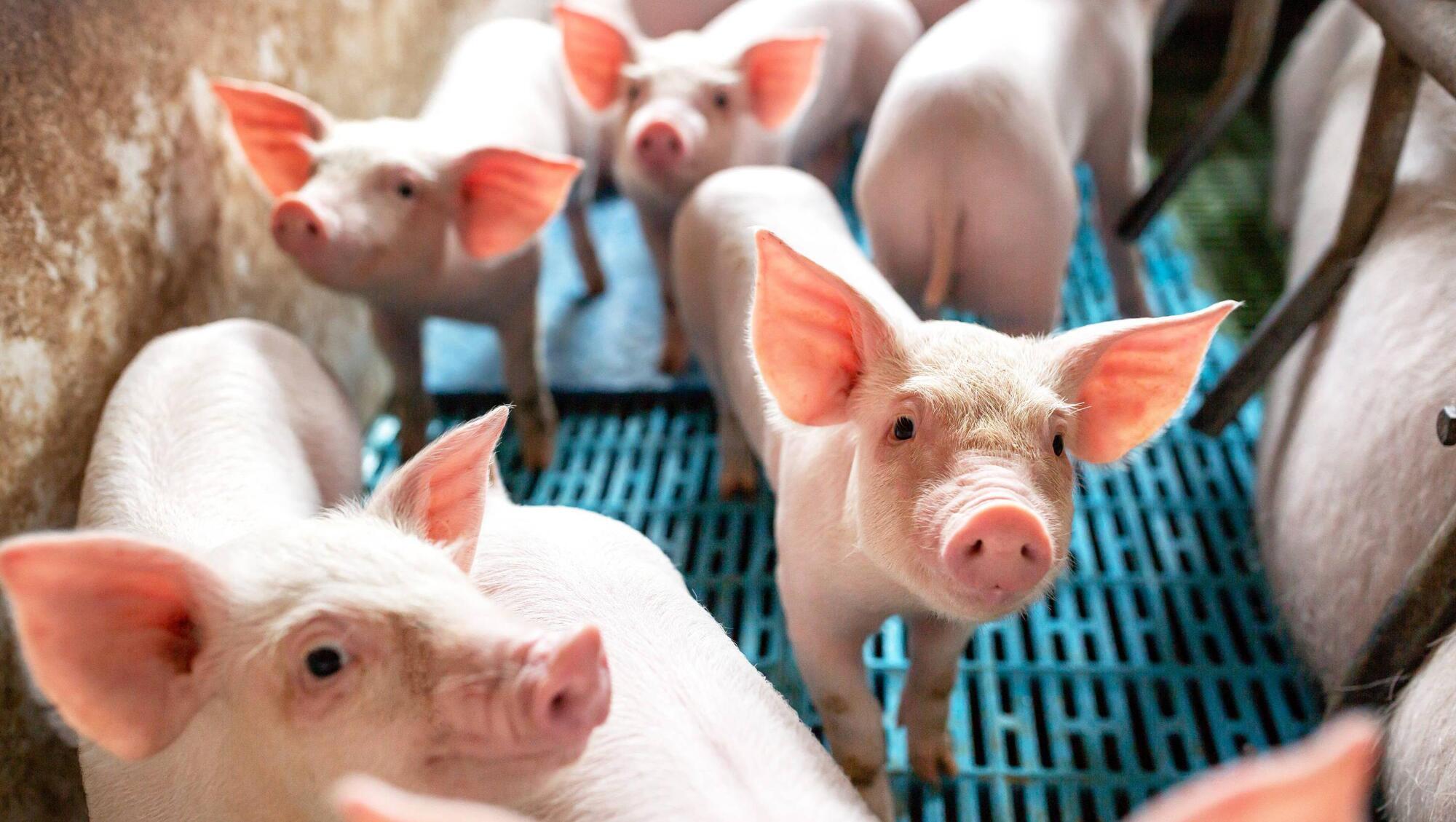
There was huge volatility in global pork markets after 2018, when African Swine Fever (ASF) flared up in China, resulting in the loss of more than 50 million pigs.
The volatile global pig market, with record prices in the EU but low prices in North America, has been further shaken up by a Reuters news agency report of surging African Swine Fever infections in China.
There was huge volatility in global pork markets after 2018, when African Swine Fever (ASF) flared up in China, resulting in the loss of more than 50 million pigs, and a 27% drop in the production of pork, the country’s most consumed meat product.
Since 2018, Chinese farmers have improved hygiene and procedures, to reduce the impact of ASF. But eradication of the disease presents a major challenge.
Now ASF in China is predicted to again reduce pork output. Reuters' sources said infections began to surge in January. ASF could reduce production by more than 10%, said Pan Chenjun, a senior analyst at Rabobank.
Increased exports to China brought a bonanza period for European producers, but prices slumped after these exports slowed down.
As a result, there have been continuous financial losses for pig farmers in more recent years, particularly in Central Europe. German production fell by 25% (almost 10% in 2022 alone), but all EU countries had major reductions to their pig herds, as higher production costs due to the war in Ukraine added to farmers' mounting losses.
The slump in out-of-home consumption during Covid-19 lockdowns also left a mark on the sector.
Over the last two years, Europe's sow herd declined by one million sows and 12 million market pigs. In addition to destocking, and retirement of pig farmers, it is thought that production is also falling due to higher mortalities following the banning of copper sulphate for veterinary uses, and some antibiotics.
The market turbulence has left Spain leading the European pig industry, maintaining its breeding herd while producers elsewhere destocked, or retired from pig farming.
Spain's 2.6 million sows now make it the biggest producer in Europe. Spanish producers are benefiting from record pig prices, reaching €2.63 per kg recently. However, pig farmers are under pressure from new environmental, antibiotic, and animal welfare regulations, and PRSS disease has hit hard in some Spanish regions.
March ended with historic record prices throughout the EU, although the differential between Spain and Germany remained well above 25 cents per kilo of carcase.
Despite the improvement in deadweight prices, Irish producers remained exposed to ongoing high production costs, noted Bord Bia sources. Like most EU pig farmers, Irish producers have accrued huge financial losses over the past 18 months.
Meanwhile, US pig farmers are estimated to be losing at least $30 per head, with reduced demand for pork, the main market force driving down prices. Farmers are reacting by reducing the breeding herd.
However, with European prices $100 per head higher than the US (the biggest ever gap), inroads by American and Canadian exporters into the Asian market are expected to narrow the price gap between these major pork exporting regions.
The latest green move is to bring much more of the EU’s livestock sector into the scope of Industrial Emissions Directive rules controlling pollution. This proposal would restrict an estimated 61% of pig farms in the EU.
Further up the food chain, the EU pig industry faces even greater disruption. The pig supply has slumped to low levels which leave factories under-employed, but the pig price has soared, and retailers as usual are slow to pay more to keep processors profitable. This is understandable, while inflation grips households, and some foods are increasingly unaffordable. But the situation could put many business in the chain between farmers and the consumer out of business.