Brussels to tackle food greenwashing
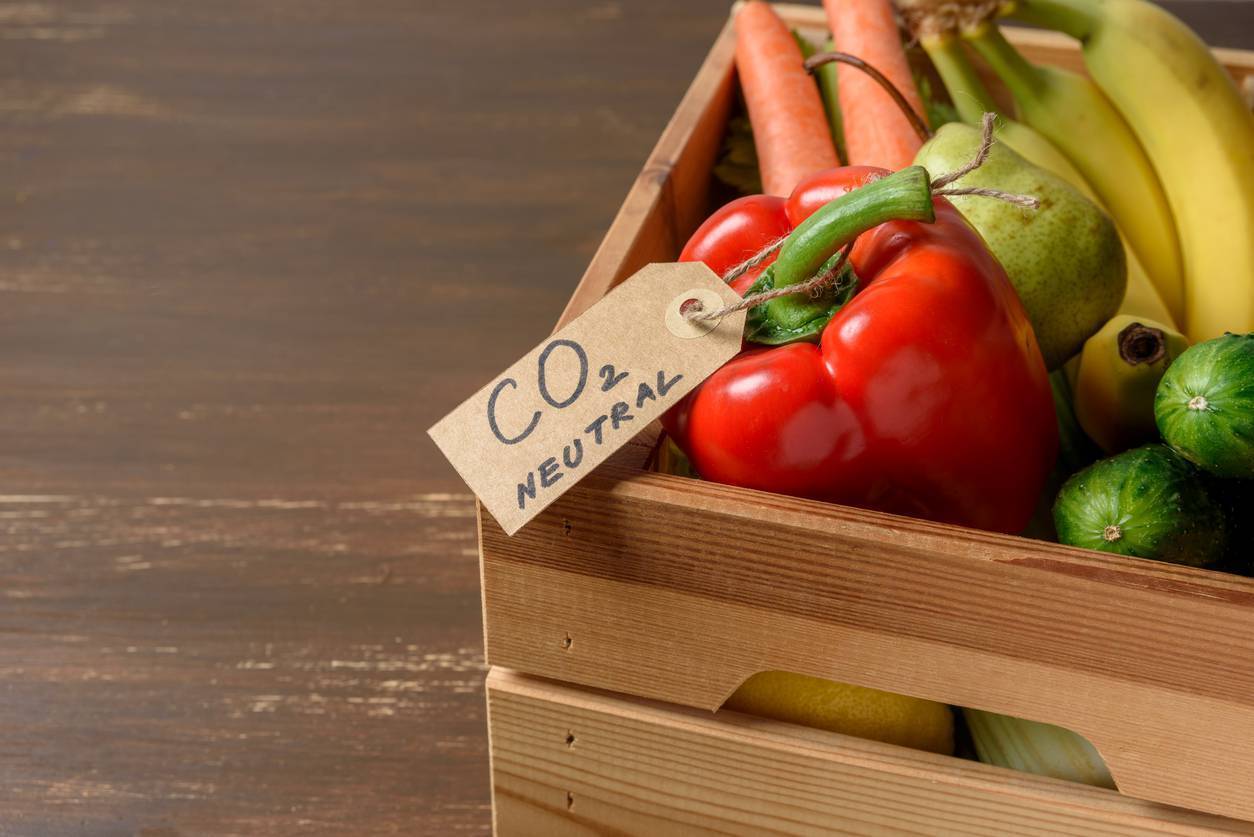
A study by the Commission found that 53.3% of climate claims examined were vague, misleading or unfounded, and 40% were completely unsubstantiated.
Consumers who want the EU to ban carbon-neutral claims for food and drink have welcomed the latest Brussels plans to tackle greenwashing.
Green claims can unfairly confuse and mislead food and drink shoppers, said the European consumer association, BEUC.
It said claims that products are "carbon neutral", "CO2 neutral", or "climate-neutral" are scientifically inaccurate.
BEUC said some EU examples highlight how meaningless claims for carbon neutrality can be. It has condemned such claims (based on offsetting) for bananas, blueberries, and clementines transported thousands of miles to be sold in Europe.
Meat and milk companies are also accused of leading consumers astray. Arla Foods, one of the world’s largest dairy companies, has been warned by the Swedish Patent and Market Court it will be fined about heavily if it continues to claim its milk is carbon-neutral (due to purchasing of forest-based carbon credits).
But BEUC says the handling of climate greenwashing complaints by national authorities is so slow that the harm is already done before action is taken.
Now, the European Commission has published new Green Claims proposals, which would still allow businesses to make carbon-neutral claims, provided they meet specific transparency requirements.
Environment Commissioner Virginijus Sinkevičius said: “The only thing is that the consumers must be fully informed.”
In its proposal, the Commission recognised that statements such as “climate neutral”, “carbon neutral”, or “100% CO2 compensated” are often misleading for consumers. The proposals apply to all products, not just foods, but exclude claims already covered by other EU rules.
The Commission warned of “significant risks of overestimations and double counting of avoided or reduced emissions”, and deterring companies from “emissions reductions in their own operations and value chains”.
The new Green Claims proposals would make offending companies subject to penalties ranging from fines to confiscation of revenues, and temporary exclusion from public procurement and public funding.
Enterprises with fewer than ten employees and less than €2m turnover are exempt from the proposals, which apply to businesses inside and outside the EU.
The proposals must be approved by the European Parliament and the Council.
The EU already has an Ecolabel official voluntary label for environmental excellence, awarded according to strict criteria and solid science, guiding consumers to products with a guaranteed low environmental impact.
BEUC Director General Monique Goyens said, "The Commission is raising their game to fight greenwashing, putting an end to the wild west of unsubstantiated green claims. Yet a future EU green claims law will only be as good as its enforcement."
It said carbon offsetting (businesses buying carbon credits from offsetting projects to cancel out their own carbon-emissions) provides no guarantees for "locking in" carbon for the future. For example, logging, droughts or wildfires could quickly eradicate fragile forests planted as offsetting projects. Or agricultural practices supposed to draw carbon into the soil could be upturned by conversion to a parking lot or ploughing, releasing the sequestered carbon.
BEUC also warns that carbon sequestration projects (such as afforestation) in third countries adversely affect local communities, and even in the EU, carry the risk of land concentration and purchase by large operators at the expense of small farmers.
Climate-neutral claims on food can deter consumers from dietary changes (such as a plant-based diet) which could achieve much more climate impact.
A Commission study in 2020 found that 53.3% of climate claims examined were vague, misleading or unfounded, and 40% were completely unsubstantiated.