Current state of wool sector 'a clear sign of policies not working'
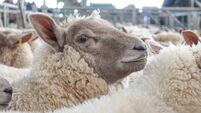
Despite a long tradition of wool produce in Ireland, the wool sector has been "significantly underappreciated and undervalued" in recent times.
The current state of the wool sector in Ireland is "a clear sign of policies that are not working", Cork South-West TD and Social Democrats leader Holly Cairns has said.
In the Dáil last week, Ms Cairns and other TDs urged for measures to be put in place by Government to support the sector.
Ms Cairns said that there is still a "long way to go before wool can be a strong contributor to rural economies".
"It is fair to say that despite a long tradition of wool produce in Ireland, the wool sector has been significantly underappreciated and undervalued in recent times," she said.
At a recent meeting of the Oireachtas Joint Committee on Agriculture, Food and the Marine, the Irish Farmers’ Association said that amid the "income crisis" sheep farmers are currently experiencing, they are continuing to suffer the impact of the collapsed wool market.
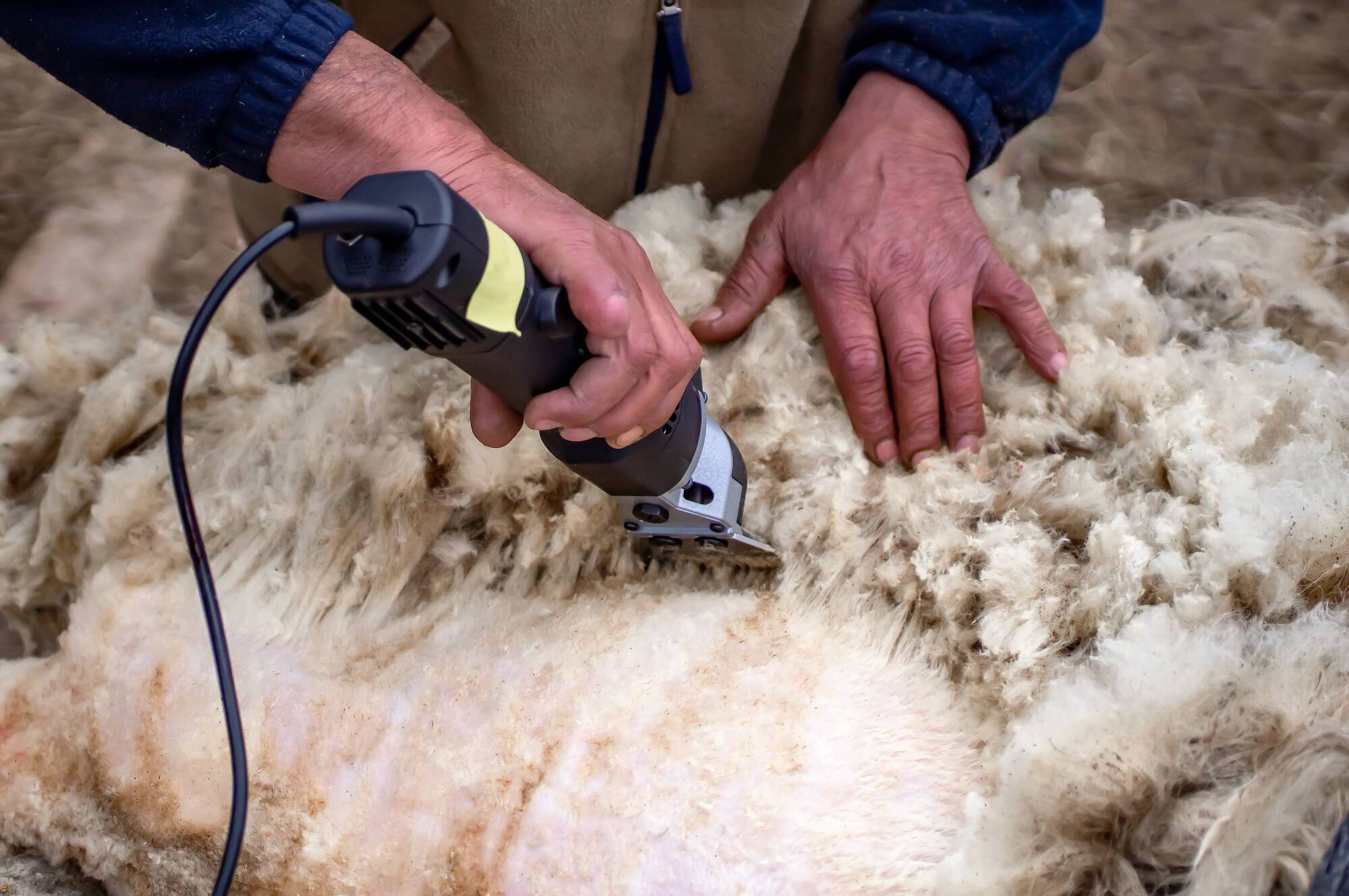
IFA sheep chair Kevin Comiskey said that shearing is a key management practice on sheep farms for the health and welfare of the flock, and this has now become a significant production cost.
The IFA said that it costs approximately €8 to present a 3kg fleece rolled and packed on a farm, costing farmers over €21m annually.
The association is seeking for shearing costs to be directly supported to incentivise farmers carrying out this health and welfare measure, and to ensure wool is presented in optimum condition for future added value use.
Following a €100,000 feasibility study that was carried out and published last year, a wool council has been established and has met, Mr Comiskey told the committee.
"There are multiple uses for this product and it meets all the environmental credentials, which must be a driving force to maximise its use," he said.
"To achieve this and reduce the processing costs, it is important wool is presented in optimum condition from farms. I emphasised that at the first meeting of the council. There was full agreement in the room that to get a reward for farmers, that is where the payment should be made."
Mr Comiskey said he has visited British Wool in Bradford in England, and saw how the wool was managed over there - "it is segregated and cleaned and then goes down to the washing plant for cleansing".
"Indeed, they did express an interest that they would come and set up collection points here. It is getting it to that stage, however," Mr Comiskey explained.
"That is a significant cost to them to get rid of that as well. The main reason for that is because it is of no value to farmers and anything that is of no value is just thrown on the ground.
"There are potential markets out there but getting it to that stage is where we have to go."
IFA senior policy advisor Tomás Bourke told the committee that there is an issue around the volume of wool in Ireland, and justifying a washing plant in this country, "but we have to look a bit further and look at the type of wool we produce in the main".
"From what we have been told by the industry, it is a coarse enough wool and in that regard, it does not command a premium price on the other end," Mr Bourke said.
"There are some exceptions but that is the case with the flock we have in general here. However, there are multiple uses for wool. There are multiple uses where value can be added to this product.
"The difficulty is that the vast majority will not return at the farm gate and would not cover the cost of shearing. If we are serious about our bioeconomy and utilising this hugely valuable resource that is created on farms and produced every year, we need to reward farmers."
Impact of Brexit
IFA president Tim Cullinan, speaking at the committee meeting, said that in 2022, gross margins on sheep farms decreased by 14%, with net margins dropping 81% to just €7 per ewe. This included the Sheep Welfare Scheme payment.
"A return of €7 per ewe in the sector is unsustainable. Direct supports for sheep farmers must be increased to €30 per ewe to encourage generational renewal and ensure the economic viability of existing sheep farmers," Mr Cullinan said.
"Other direct costs on sheep farms are forecasted to increase by 4% in 2023. Lamb prices are currently 70c per kg or €16 per lamb on average below 2022 levels. Inflationary pressures are projected to continue into 2023, impacting on demand for lamb."
Mr Cullinan told the meeting that the impact of Brexit on Irish sheep farmers "has the potential to be devastating".
"The UK and French markets are key markets for Irish sheep meat. Bilateral trade deals agreed by the UK with countries such as New Zealand and Australia have the potential to undermine the UK market for Irish sheep meat and have the potential to displace domestic produce in the UK, which in turn undermines the French market for our sheep meat," he said.
"Sheep farmers must be supported from this threat through the Brexit Adjustment Reserve."
In the Dáil last week, Minister of State at the Department of Agriculture Martin Heydon confirmed that the department is considering options to support the sheep sector.
"We are looking at every option but, the bar to qualify for the Brexit Adjustment Reserve is very high. You have to prove a direct link to the impact from Brexit," Mr Heydon said.