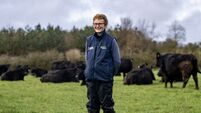
Rachel Martin: Despite all the noise, we're not much closer to change for women in ag
Unlike change at corporate level, cultural issues on individual family farms will not be solved by targets and inspiring mission statements, writes Irish Examiner Farming editor Rachel Martin.
There’s been so much talk of gender equality and empowering women over the last week that you’d be forgiven for thinking the days of asking women on farms for “the boss” were long gone.
Yet, as the rest of society seems to have got the memo that women are just as well equipped as men for hands-on roles, the agri-food sector still has some way to go.
With a study carried out by Macra na Feirme finding that just 11% of farms had identified a female successor, it’s an issue I fear that despite all the noise and virtue signalling, will not go away any time soon.
This figure alone suggests that unless radical change occurs, the next generation of farming women are also already doomed to second-class status.
Sure, we have many examples of those who have broken the “grass ceiling” in the world of agri-business – the Deirdre O’Sheas, Veronica Morris’, Gill Gallaghers and Tara McCarthys of Irish agri-food.
But when I read that a recent study found 70% of respondents said they felt like the culture within the sector was a challenge because they felt that, as women, they were not treated with the same respect as male peers, it is clear that there is still much more work to be done.
I’m not typically a proponent of positive discrimination, yet steps like incentivising the formal recognition of women involved in farming through the higher rate TAMS, force us to reconsider if clutching on to outdated notions and stereotypes is really worth taking the financial hit for our businesses.
In addition to this, Women in Agriculture groups have demonstrated the high demand for practical on-farm skills lessons, such as tractor driving, among the female population and more must be done to build women’s confidence in these areas.
It’s important to remember that while many of these women may have been working for years with stock, a lot of them simply may not have been allowed to drive machinery and, therefore will have limited experience behind the wheel.
By doing so we are simply halving our potential pool of workers.
And gender aside, there is no shame in using technology to take much of the physical hardship out of hands-on farming.
It’s great to hear so much buzz this week about encouraging women into farming.
But we can talk about it all we want, sing women’s praises until the high heavens, but until there is actual and meaningful cultural change on every farm in Ireland, little will ever change for the next generation.