Hazell Mullins: A man's best friend - not to be forgotten
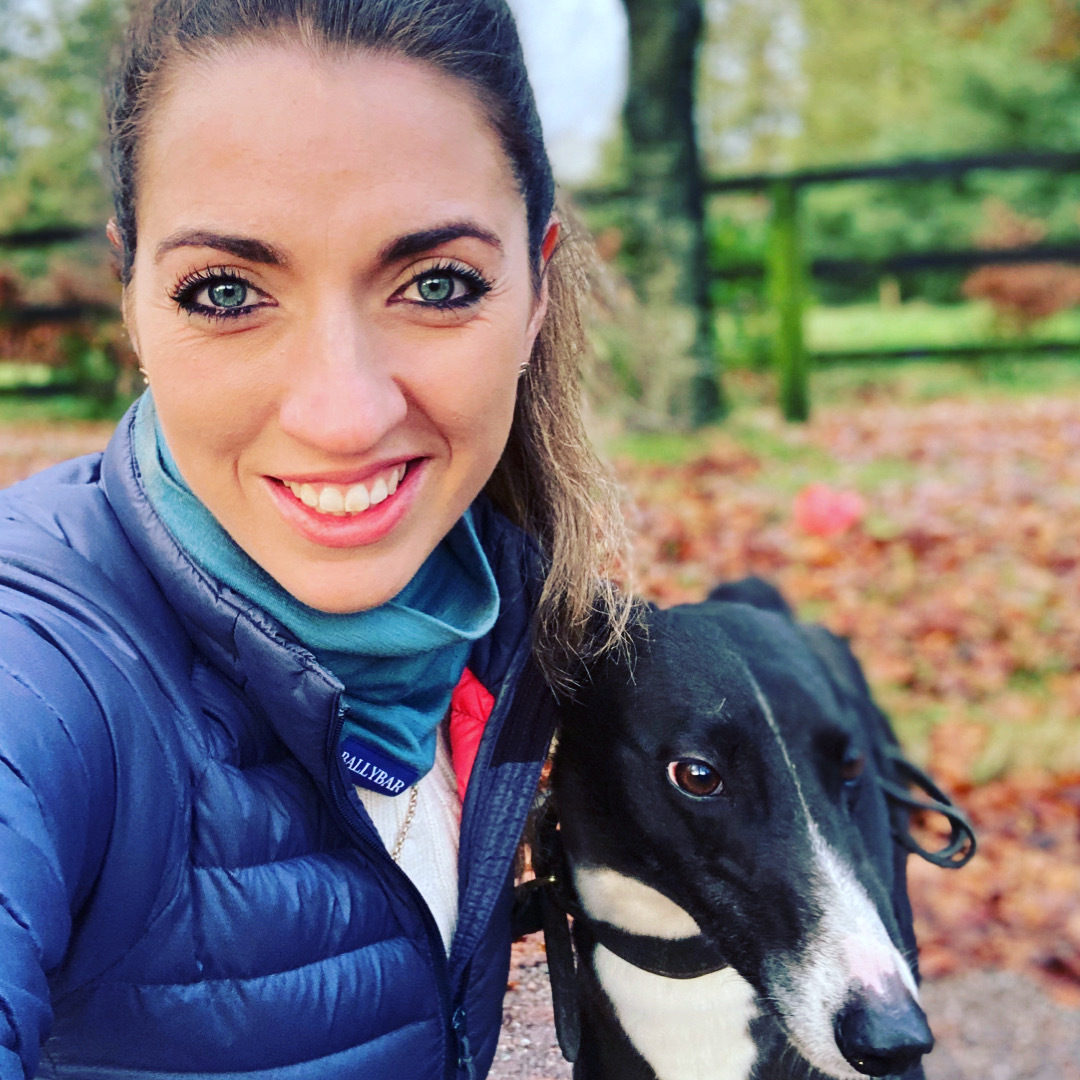
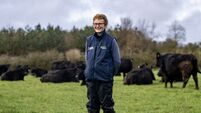
Hazell pictured with her dog, Betty, who sadly, recently passed away.
Sometimes life likes to throw a curve ball just when you think things are aligning into place, this took the form of a tragic accident in which I lost my darling dog, Betty. At just seven years of age, she was gone in the blink of an eye, and I had lost my loyal companion.
As a vet, I deal with grieving owners on a regular basis, but that day I was on the other side of it trying to make logical sense of it all. However, there was no logic to understand; it's a normal reaction to grieve for our pets as they are a major part of our lives and give us endless unconditional love.
Many a conversation I have had with my dogs on the farm and what's best is that they rarely disagree with me. I have met some wonderful canine characters during my years as a vet, including a collie that knew the difference between the “blue” and “red” jeep, they are so clever.
Betty was very special to me and it was always a priority to keep her worming and health checks up to date.Â
I know spring is a busy time but have a quick think about when you last wormed your dog, this is especially important if you have young children on the farm.Â
Worming kills a which is a zoonotic parasite, meaning it can also affect humans, and children are especially vulnerable to infection.Â
Betty also got her 7 in 1 vaccine and her kennel cough vaccine annually. Be mindful that on a farm it is especially vital to booster your dogs for leptospirosis as it’s a live vaccine and only gives protection for 12 months. It is commonly spread via rodents in their urine to both our cows and dogs. I have treated far too many farm dogs in practice for leptospirosis, the typically yellow-tinged (jaundice) dog that presents with vomiting and extreme fatigue. It is an extremely serious disease that causes organ failure and unfortunately quite often it can be fatal. Speaking of Leptospirosis vaccination, we are due to booster our cows around St. Patrick's day so we need to order those this week.
Tick season is almost upon us and it seems to be earlier and earlier every year due to dry warmer conditions. They thrive in long rush-like grass conditions, ditches, woodland areas and road verges. Always check your dog after returning from their walk, and this includes trips to bring in cows for milking or rounding up the flock.Â
They are usually found at the top of the long grass, waiting patiently for their next victim (or host) to pass by where they attach and then begin their obligatory blood meal in order to complete their lifecycle. The areas to pay particular attention to would be under the belly, behind their ears and in front of their shoulders.
Lymes disease is a risk after a tick bite and just like humans, dogs can also be affected.Â
They really are nasty creatures, but luckily there are many treatments available, including medications that can give up to three months of protection against ticks. If you find one, it's important it is removed correctly to avoid secondary infections. Do not leave the head attached or squeeze the tick’s contents; ideally, use plastic tick removers, which are available from your vet.
Moving swiftly on, as I am sure I have made a few people suddenly very itchy - sorry about that! We are over halfway through calving now, the body and mind are both tired and I am sure I am not alone in this feeling.Â
Unfortunately, March is notorious for disease outbreaks, so maintaining hygiene standards is vital. I am determined to keep up all the hygiene practices I instigated at the beginning of calving and prioritise good colostrum management.
We are now using the new milk kart that we purchased locally from County Farm Supplies, which has made my life so much easier on the farm.Â
I love the fact I can measure precisely the amount of milk each calf is getting, which will make weaning a lot more scientific. My physio bill at the end of calving will also hopefully be a bit lower, with the reduction in lifting buckets.
It is great to add something new to our spring routine which is both beneficial to us and the calves. I also find the Calf Barrow a wonderful invention to protect our backs, it makes moving calves so much safer.
Life must continue on the farm, however, it will be a little different. We will miss you Betty.