Slurry nitrogen content changes to restrict farms more than banding
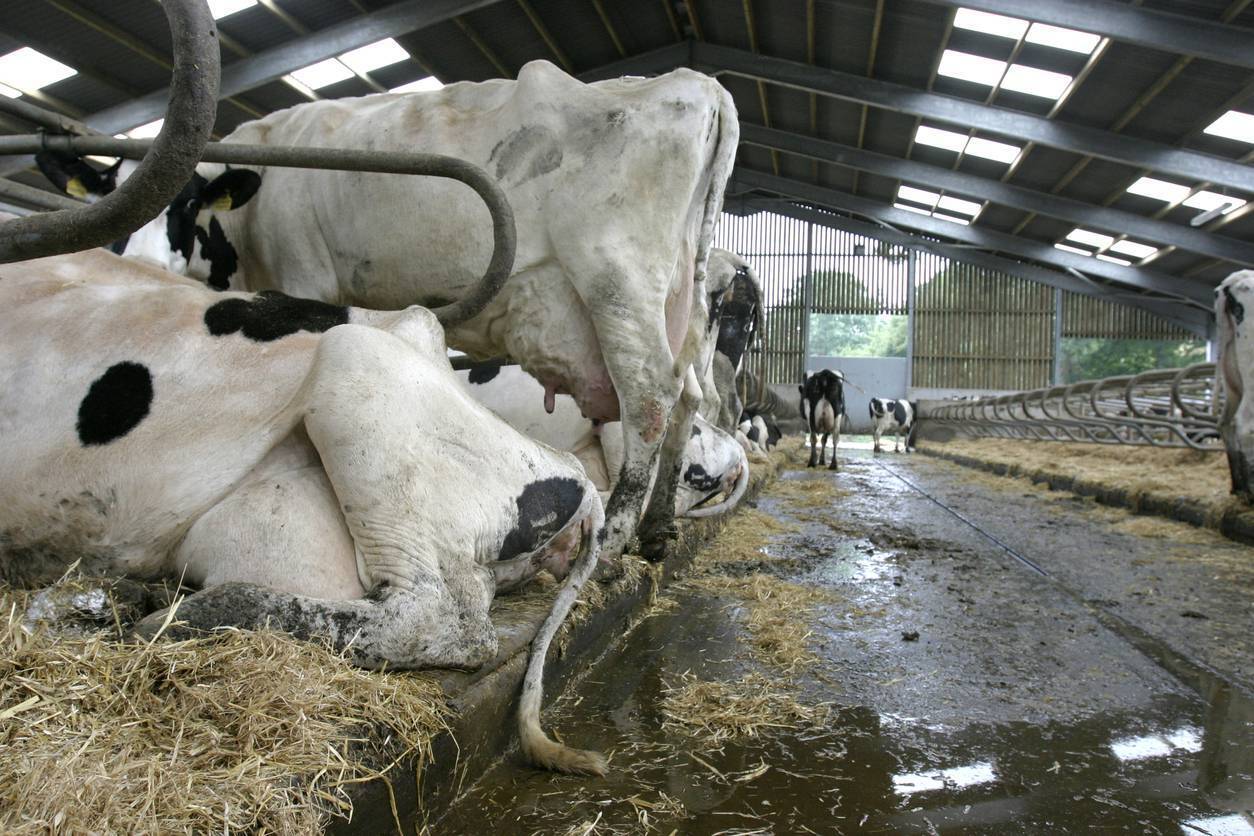
To be able to deal with the new regulations, it is important that each dairy farmer knows how they will be impacted, if at all. Picture: Andrew Linscott.
The change in the nitrogen content of slurry is having a larger impact than herds moving into the high milk yield band, according to a Teagasc analysis of changing nitrates regulations which will restrict cow numbers on many dairy farms this year.
According to Teagasc Agricultural Catchments Programme Specialist Edward Burgess, a Catchments Programme case study showed that moving into the high band (106kg of N/cow) did not necessarily result in exceeding the farm stocking rate limits set at 170 or 250 kg of N/hectare.
However, the case study showed farms moving organic manure to comply with stocking rate regulations are being driven further over the limits. Some regions of the country are impacted more than others.
To be able to deal with the new regulations, it is important that each dairy farmer knows how they will be impacted, if at all, said Mr Burgess. "Just because your neighbour has to make big changes it doesn’t mean you have to, or vice versa".
To help plan each farm's situation, Teagasc has an Excel banding calculator. Farmers in ICBF’s HerdPlus can enter their herd details from the Nitrates Stock Report, as well as details from the co-op performance report and the farm area. The workbook calculates changes required in cow numbers, area farmed, or slurry exports, required to meet stocking rate limits.
Since the start of this year, the nitrogen (N) excretion rate from dairy cows is based on the herd's average milk yield. This is called 'banding'. Last year, every dairy cow in the country was assigned a figure of 89kg N per head.
This year, the N excretion rate per cow will be either 80, 92, or 106 kg N, depending on the herd's average milk yield. For a farm moving into the high band, this results in a 16% increase in N, which could bring them over the 170kg/hectare or 250kg/hectare N (derogation) limit.
Many farmers move organic manure off the farm to bring their organic N back under the regulatory limit. This option has been made more difficult by two changes to the nitrates regulations this year. Firstly, the N content of a cubic metre of slurry has changed from 5kg to 2.4kg.
This change was made because analysis over the years showed that most cattle slurry stored on farms has a nitrogen content close to 2.4kg. This change doubles the volume of slurry that has to be moved to achieve a reduction in N.
Restriction of cow numbers on many dairy farms is also likely to come from the EU-required review of water quality this year. Where water quality is not considered satisfactory, the maximum stocking rate on farms located on land draining into these waters will be limited to 220kg N/hectare.
Results from the Environmental Protection Agency’s water reporting currently indicate that many river catchments in the south and east of the country will not meet the standards required to maintain the 250kg N/hectare derogation limit.
"While the final decision on this will not be made before September, it would be prudent to do your own calculations now to see if this is of relevance to your own farm," said Mr Burgess. "In many cases, this will not be a big deal one way or the other, but for some, it will be very significant, and being aware now of how it plays out on your own farm is vital.
Agriculture Minister Charlie McConalogue recently explained how the changed nitrogen content in slurry, which may push farmers into derogation, came about.
As part of Ireland's Fifth Nitrates Action Programme, which was finalised in March 2022, a review of technical tables was undertaken, including the nutrient value of slurry.
Following review, the Revised Teagasc Green Book, published in July 2020, included nitrogen in cattle slurry reduced from 5kg to 2.4kg, with values ranging from 0.2kg to 5.2kg in samples selected to cover a range of animal breed types and animal diets which are typical for cattle slurry in Ireland.