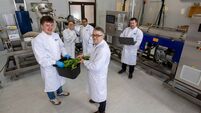
New Zealand methane bolus in works for pasture-based herds
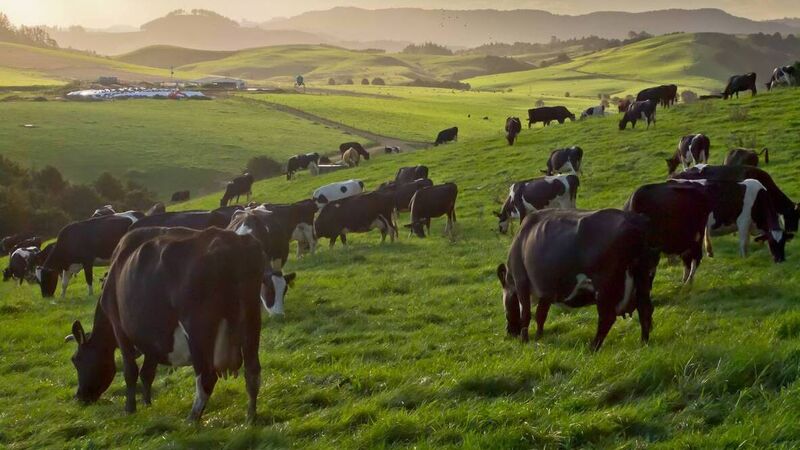
The firm hopes the methane-reducing bolus will be used on 100 million cows by 2030.
The New Zealand Government has committed €4.6m to the development of a sustained-release methane inhibitor for grass-fed animals.
The funding goes to the CALM (Cut Agricultural Livestock Methane) programme of Ruminant BioTech, a company based near Auckland.
Pasture-based farmers around the world will hope that their ambitious plans come to fruition. Ruminant BioTech aims to launch a product in 2025 that they claim will be used on 100 million cows by 2030.
With pasture-grazed livestock the dominant way of farming in much of the world, but especially so in New Zealand and Ireland, scientists around the world have searched for a controlled-release methane-busting ingredient.
Feed additives that reduce methane from cattle reared indoors are already on the market, but they need to be included with every feed, which is not possible for grazing cattle.
Ruminant BioTech’s solution is a slow-release bolus that sits in the cow’s stomach for up to six months and delivers high levels of methane inhibitor over that time period.
So far, testing by Ruminant BioTech shows their bolus reduces methane by more than 90% over three months, and at least 70% over six months.
According to the company, “If we can treat 25% of the world's ruminants with our product, the net reduction in greenhouse gas emissions equates to removing 300 million cars from the road globally”.
Acting now to cut methane emissions is widely seen as the most effective tool against global warming in the near term, even though methane from ruminant animals is only 6% of global greenhouse gas emissions, and methane breaks down in the atmosphere after about 12 years.
Essentially, curbing methane emissions could provide short-term relief, while governments and businesses negotiate the more difficult transition from fossil fuels (the main source of greenhouse gases) to clean energy.
Here in Ireland, there are several methane targets in Teagasc’s climate strategy.
Teagasc’s development and validation of novel technologies to reduce both enteric and manure-associated methane emissions from pasture-based Irish agricultural systems is being funded by the Department of Agriculture, Food and the Marine.
Breeding animals that emit less methane is also being investigated by Teagasc.
Ruminant BioTech’s solution is a naturally occurring organic compound, synthesised to ensure reliable, high-quality supply. It will be designed to be highly effective in pasture-grazed farming systems, but can also be used in intensive-farming systems such as beef feedlots and shed-housed dairy farms.
It will be aimed at dairy, sheep, and beef farmers.
To date, the company’s focus has been on delivering a large cattle bolus for cattle weighing over 300kg.
The Government funding, and matching money from the company’s investors, will allow it to accelerate the development of the bolus for large cattle, while also developing bolus solutions for smaller cattle and sheep.
Boluses are a common mechanism to deliver drugs and trace elements or minerals to ruminants, and have been used safely for around 50 years in farming.
Ruminant BioTech must devise a system for a dose of inhibitor low enough to be safe for the animal, the food chain, and the environment, but high enough to achieve significant methane reduction.