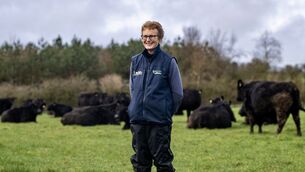
Karen Walsh: I'm in my 80s with no will - is it too late?
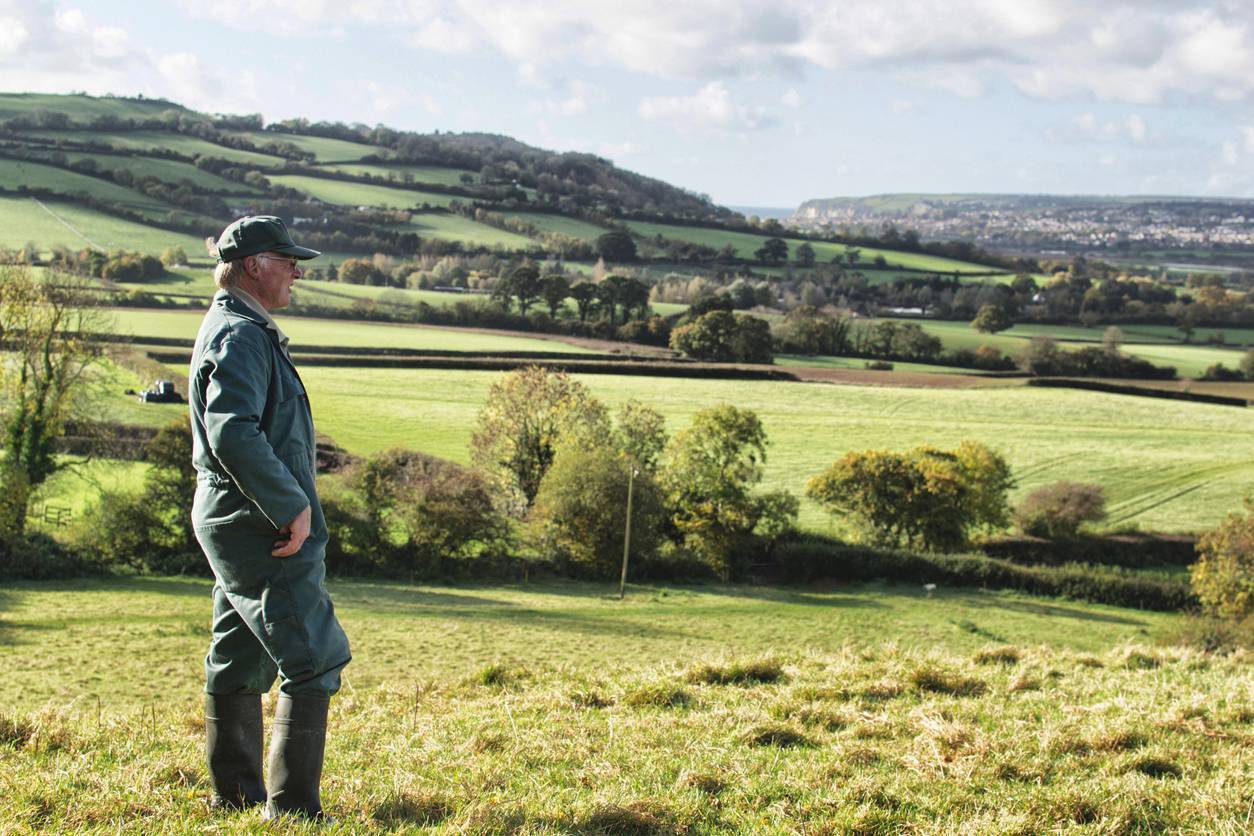
Land disputes can give rise to several tensions in families and can last generations, warns rural solicitor Karen Walsh.
Karen Walsh: I'm in my 80s with no will - is it too late?

Land disputes can give rise to several tensions in families and can last generations, warns rural solicitor Karen Walsh.

Dear Karen,

I am in my early 80s and I have no will in place, and I have really been putting it off and off for a long period of time. 

I have four children and they are all very good to me and they all get on, thankfully, but naturally, you hear stories of so many families falling out about wills and I am nervous about making a will as I do not want any of my children falling out when I pass away, and I do not know what to do. 

My son farms on my land at home, and I don’t have much else save for a small life policy and a modest amount of money in a bank account. Sometimes I think it would be better off if I made no will and leave the law to decide how my assets pass. What do you think?

Dear Reader, 

I can understand your point of view and your concerns. We all have a natural reluctance to contemplate our own death but it is one thing in life that is certain. It is lovely to hear that your children are good to you and that they all get along, and hopefully, that will continue long into the future.

Unlike a spouse or civil partner, children have no absolute right to inherit any part of their parent’s estate if the parent makes a will. 

To avoid disharmony and disagreement upon death, it is a very good idea, in particular, if all your children get along and you have a very good relationship with them, to speak with them and try and establish who would like to receive what or to communicate your wishes at the outset as to who you would like to give what to, and the reasons why, and have an open discussion with them so that there would be no surprises down the road ultimately when your will is read.

It is also important to remember that a will can be changed at any time if you change your mind or wish to update it in light of new circumstances.

It is in everyone’s interest to ensure that conflict would not arise in relation to your will, and accordingly, it is vital that your will leaves assets to whom you would intend to leave them to. It is hugely beneficial for all parties to sit down and discuss the future of the family farm in an amicable and open manner. 

Land disputes can give rise to several tensions in families and can last generations, and they are best to be avoided as much as possible. 

For this reason, it is extremely important to give extensive consideration and thought to the distribution of one’s assets in their will and be aware of the consequences such distribution may have on the parties concerned in addition to the significance of promises, representations and provisions made to and for children. This can help reduce family conflicts and avoid expensive future litigation.

Historically, the family farm would pass to the eldest son after the death of the father. Nowadays, however, things can be much more complicated. Often there is only one family member who has the desire to continue farming. 

There is often a few different family members to look after. This can cause a problem when the family farm is only an average-sized farm that would only have the capability of providing a sustainable career for one family member. It is not feasible often to divide an estate equally as this would involve breaking up the farm or making the successor of the farm payout to his or her siblings, which could cause this person some financial distress.

Obviously, with your son farming at home, it is vital that he is protected in a will because he is in a very vulnerable and difficult position. If you choose not to make a will, your children will inherit the farm in equal shares. This will most certainly lead to litigation and disharmony. Speak with your children. You may be surprised that the other three children assume that you are going to give all of the land to the son at home farming and have no difficulty with that.

If your assets after the farm are limited, you will provide for them with those assets insofar as you can. It will be better to take a detailed attendance on you in relation to any gifts you have given your children over the years, for example, sites, deposit for houses, etc. 

It is not possible in many cases to give an equal amount to all children. All you can do is the best you can, and make the best decision in light of the circumstances. 

Have you educated your other three children? Are they financially independent from you? Do they own their own home? Do any of them still live with you? Can the family home be separated and given to the other children? It would be necessary to have a detailed consultation with you to establish your circumstances and your children’s circumstances so specific advice can be provided.

Karen Walsh, from a farming background, is a solicitor practising at Walsh & Partners Solicitors, 17 South Mall, Cork, and 88 Main Street, Midleton, Co Cork, and also the author of 'Farming and the Law'. Walsh & Partners also specialises in personal injury claims, conveyancing, probate, and family law.

Email:  info@walshandpartners.ie 

Web: www.walshandpartners.ie

  • While every effort is taken to ensure the accuracy of the information contained in this article, Karen Walsh does not accept responsibility for errors or omissions howsoever arising. Readers should seek legal advice in relation to their particular circumstances at the earliest opportunity.

More in this section

Farming

Newsletter

Stay ahead of the season. Sign up for insights, expert advice and stories shaping Irish agriculture.

Cookie Policy Privacy Policy Brand Safety FAQ Help Contact Us Terms and Conditions

© Examiner Echo Group Limited