What is required to ensure tree planting programme succeeds?
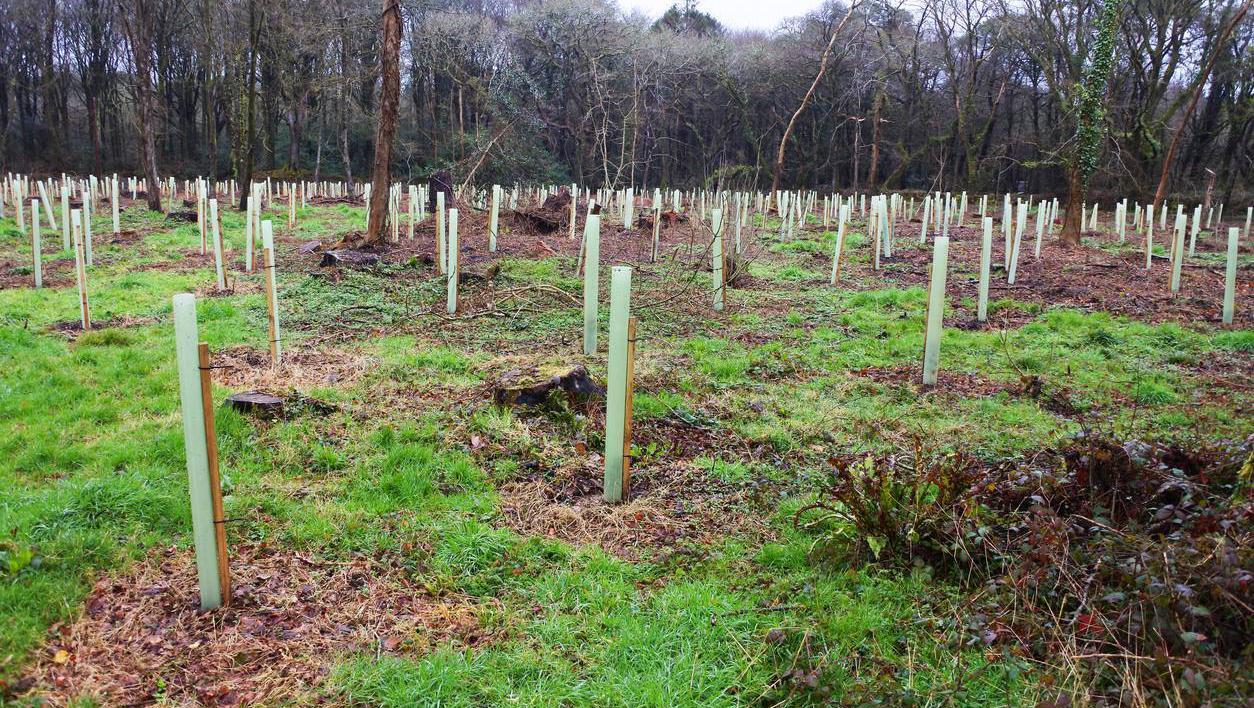
Newly planted woodland area with young saplings with protective collars. Picture: John Gollop/iStock/Getty Images
The recent announcement of a 66% increase in forestry premiums represents a step change in the economics of woodland creation in Ireland, finally offering a genuine financial case for bringing trees back to farms. However, we also know forestry is a major decision for the farmer. Money alone won’t convince many. So, what else is required?
Firstly, the state must rebuild its damaged relationship with farmers. Going forward farmers must have faith they are dealing with an efficient and dependable interlocutor. I believe a one-stop well-resourced national forestry agency dealing with licencing, and communications promotion needs to be put in place to achieve this. The same agency should be tasked with improving the schemes offered to farmers so that they are suited to different farm systems and have a level of flexibility built in.
The current Woodlands for Water scheme obligates 30-metre requirement obligated under the current Woodlands for Water scheme. No farmer would be overly enthusiastic about giving this up, but many would be happy to give up five or ten metres alongside rivers.
We need to ensure that the afforestation options align with what landowners have said they want to plant, which has consistently been native broadleaf trees. Even with the new premia, the economics of this option struggle to compete with the productivity of conifer plantations. One approach here would be to extend the duration of the premium for broad leaves.
Another would be for the state to develop a mechanism which allows farmers financially benefit from water quality, biodiversity or carbon associated with these natural woodlands. This natural capital valuation has been achieved in other jurisdictions, and in fact groups like the Nature Trust are already doing the same here. Is it so difficult to imagine a future where Cooperatives in the west of Ireland support farmers to certify and trade these novel commodities?
Effective communication will be critical. For the premia to be effective farmers need to know about the schemes available and see clear value in adopting them. Most farmers are currently unaware of their forestry options. The current forest advisory service is siloed away from the mainstream agricultural advice system. A more integrated approach to promotion is required.
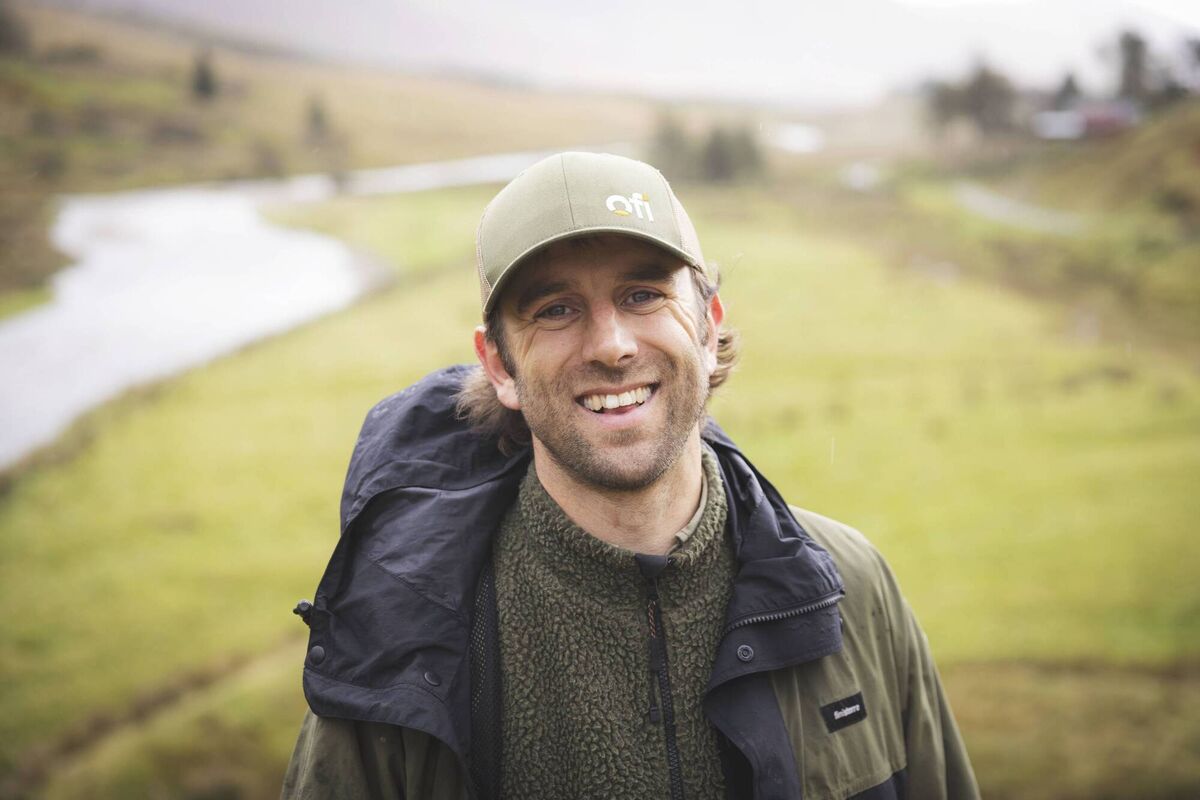
This must come through trusted intermediaries like farm advisors, but also through farm representative organisations, knowledge transfer groups and online platforms. In the longer term, the utility of diverse woodland and tree features should be woven through all levels of agricultural education systems. The effect of local “influencers” shouldn’t be discounted either. When local farmers make the changes and have positive experiences, many of their neighbours become interested in doing the same. EIP are a great model to stir local interest.
The state must remove contradictory land-use policies relating to woodland creation.
I believe long-term tax-free land leasing for agricultural is one such policy that must go. It provides an easy alternative to afforestation and will result in less woodland creation if left in place.
Of course, it's not just farmers the state needs to consider. The public have shown themselves to be important and impactful stakeholders also, and their concerns, which are primarily environmental, must be addressed. Continued afforestation of species-rich habitats must end, and mistakes made in the past, particularly in relation to ground-nesting birds and or peatlands must be remedied.
Finally, the state must demonstrate its commitment to native woodlands. The recently released woodland-type targets suggest Ireland will continue to pursue a forestry model dominated by short-rotation conifers. This is understandable from an economic or carbon sequestration point of view but it does not align with the messages received by the government from their public consultations. If the government sticks to this approach they need to demonstrate their commitment to ambitious native woodland creation in other ways.
I believe there is a real appetite for state-led (or supported) landscape-scale projects. In the UK such initiatives have really captured the public imagination — Carrifran on the Scotland-England border is once such a project over 1600 acres of wild native woodland emerging in a mountainous valley. The state can afford to take risks here that would not be acceptable for private landowners. This presents a real opportunity to trial natural regeneration at scale, achieved through effective sheep fence and a long-term reduction in wild deer numbers.
I believe if these measures are implemented, we could see a golden age for woodland creation here in Ireland.
Read More
CLIMATE & SUSTAINABILITY HUB