Signpost: Learning new skills on my own farm walk
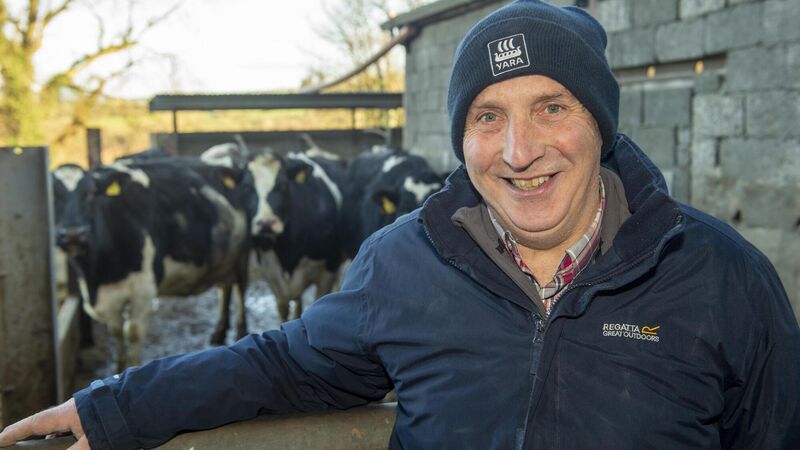
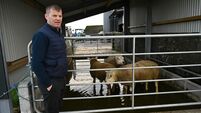
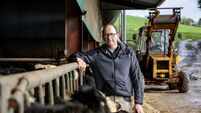
Tim Leader working with heard of pure breed friesian cattle on his dairy farm in Rathcoole, Co Cork. Picture: Dan Linehan
I hosted a farm walk three weeks ago with Teagasc and Dairygold highlighting some of the things I am doing to be more environmentally sustainable while at the same time remaining profitable; because that’s what the Signpost programme is all about, showing that Signpost farmers like myself can make a good living from farming while at the same time looking after the environment.
One of the things talked about on the day of the walk was the grass grown. The farm grew 12 tonnes of grass per hectare to date in 2022. It compares with 11.4 tonnes up to the same time last year, so I’m actually ahead this year.
Even though I did feel the pinch of the drought, as I have said in many of the previous articles, I also carried an extra nine dairy cows that did put pressure on the milking block this dry year.
The fact that I had soil sampled the farm and I had a good phosphorus allowance, which I spread throughout the year helped grow the extra grass for me.
I used 18:6:12, which helped improve the soil fertility for clover establishment and persistence.
By soil sampling, I know what nutrients to apply so I can grow more grass, and it worked, especially during a dry year and with 7% more cows on the milking block.
We had a demonstration on managing a new hedgerow also on the day of the walk.
I had put in a new hedge of 300 feet at the start of the year and was glad of the opportunity to learn a little more about how best to manage it so that it turns out well.
As part of the Signpost Programme, I have a target for my farm to continue to increase biodiversity on the farm.
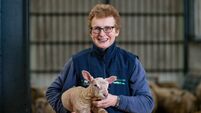
Teagasc’s countryside management environmental specialist Catherine Keena was on hand to show us all how to manage a new hedge.
Firstly Catherine identified a whitethorn sapling that I will leave grow into a tree to provide fruit and flowers for birds.
Catherine put a tree guard on this sapling so the hedge cutter next year won’t chop it down. I’ll have to talk the hedge cutter through this to make sure these saplings are not cut when the hedge establishes.
A roll of compostable film was rolled over the cut stumps and punched through. It’s a very simple way of applying the film.
The film is really important to control the weeds around the base of the hedging which can compete with the saplings but also to conserve moisture and nutrients.
To keep the film in place, the sides are pinched into the ground with the spade and stones placed on top to stop the wind from blowing it away.
It has been really useful to get this demonstration of managing a new hedge.