‘No one wants to be first in the parish to be the organic farmer’
Barriers for farmers in converting to organic include financial incentives that are not 'strong enough', 'hidden costs' such as training and certification and concern over a clear, identifiable market for organic produce
‘No one wants to be first in the parish to be the organic farmer’

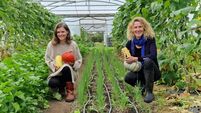
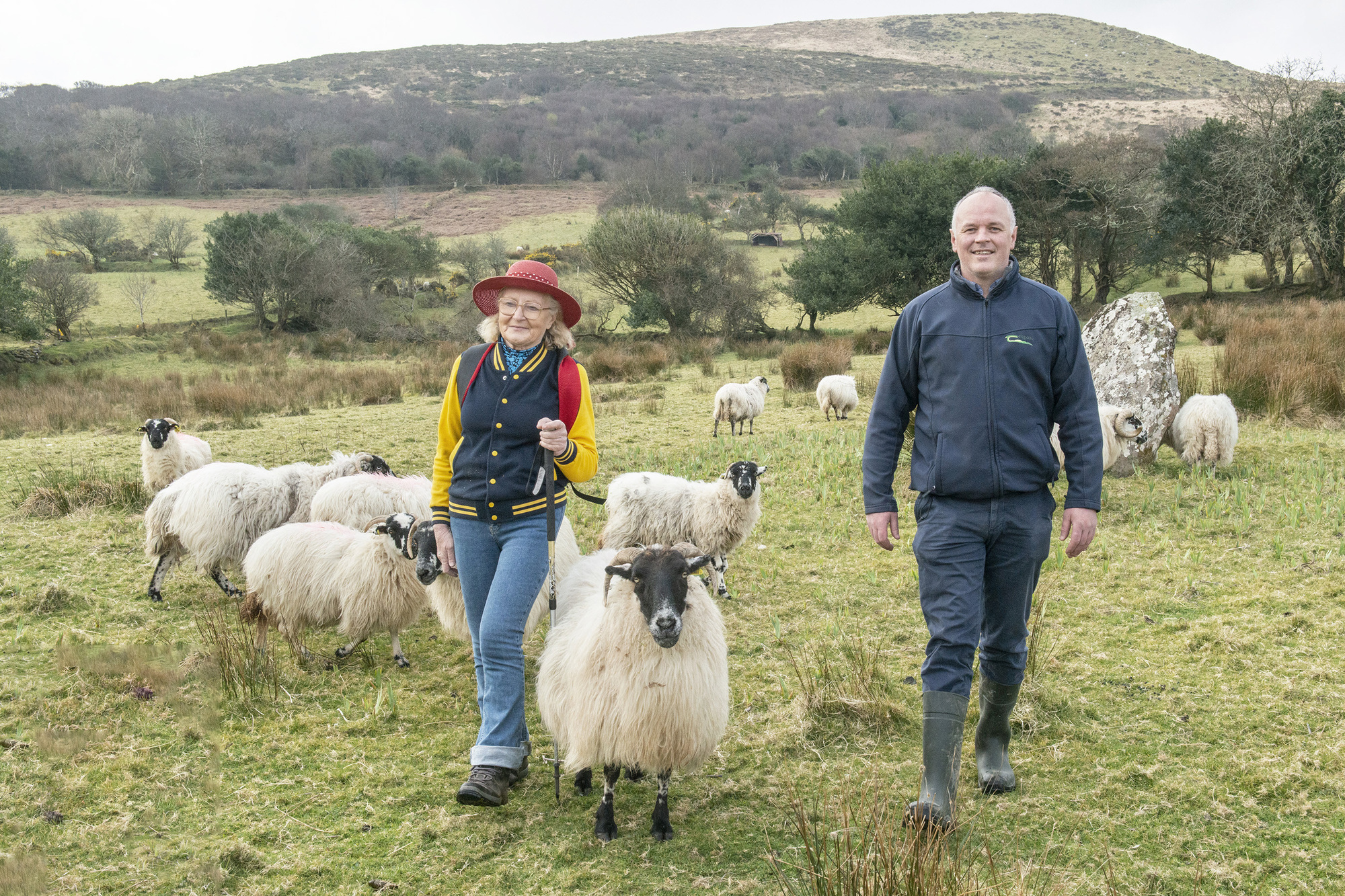
Organic specialist Joe Kelleher pictured earlier this year at a farm walk at Gleann na Gealt, Camp, Tralee, Co Kerry with host Brigid O’Connor. Picture: O'Gorman Photography

There is a multitude of reasons why farmers aren’t converting to organics in the masses — and one of them is that no one wants to be the "first in the parish" to be the organic farmer.

Joe Kelleher, Teagasc organics specialist, told a recent event that often, farmers are “waiting for someone else to do it, and then they might follow on”.

Other “barriers” include grass-based farmers being fearful they can’t grow enough grass; while tillage farmers fear “they’ll be overcome with weeds and their crops will be poor yielding”.

“A very common one we get is where one generation in the family wants to go organic, but the other generation doesn’t — and unless you get everyone in the house singing off the same hymn sheet, it’s hard,” Mr Kelleher told a recent conference.

Ireland currently has 2.5% of its agricultural land under organic production, with a target set for that to increase to 7.5% by 2027.

“We’re trying to get 5% of the land area, which equates pretty much to 5% of the farmers in the country into organics,” Mr Kelleher said.

“For every 100 farmers, we’re only looking for five to go organic.” 

Another key reason for reluctance to convert to an organic system is economical.

“For the beef farmer, in particular, the housing is one of the biggest barriers, the cost of converting the housing to put in a straw bed and shed,” he added.

Other farmers have said the financial incentives through the Organic Farming Scheme are not “strong enough”, along with concerns over the market for organic produce.

New payment rates

In recent weeks, higher payment rates for converting to organic farming have been announced, which are expected to encourage more participants.

These enhanced rates, subject to approval by the European Commission as part of ongoing discussions on approval of Ireland’s CAP Strategic Plan, could see drystock farmers getting €300 per hectare for up to 70 hectares during the two years of conversion, and €250 per hectare for years three to five of the scheme.

For dairy farmers, payments of €350 per hectare to make the switch to organics on 70 hectares or less can be expected, followed by €300 per hectare for the remaining years on the scheme.

Rates for tillage farmers will be €320 per hectare during the two-year conversion period, and €270 per hectare thereafter.

Horticulture farmers will see payments of €800 if they join the scheme, and are in line to receive €600 per hectare once converted.

Meanwhile, for lands over 70 hectares, the payment during conversion will be €60 per hectare, and €30 per hectare after that.

Along with these increased rates, Minister of State at the Department of Agriculture, Food and the Marine Pippa Hackett is proposing an annual participation payment of €2,000 in the first year of conversion and €1,400 a year thereafter.

These new rates would apply from 2023.

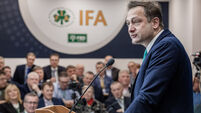
Farmers have welcomed the proposed increase in payment rates, as the current ones “are not enough to encourage farmers to convert and to remain farming organically”, IFA organic project team chairman John Curran said recently.

Mr Curran pointed to the additional “hidden costs” such as training and certification that are involved with making the switch.

He said given the ambition to grow organic farming set out both at European level and under the Programme for Government, it is imperative the sector continues to receive additional support in terms of advisory support and knowledge transfer.

“This will allow farmers to make an informed decision should they decide to pursue organic farming. The establishment of robust markets to facilitate the increase in organic production must also be a priority of the newly established organic forum,” he said.

Market demands

Meanwhile, the Irish Creamery Milk Suppliers’ Association has said while improved payment rates are always welcome, the reality is that “unless the economics of organic farming stands up, it will not develop as a sector”.

“With conventionally produced products such as dairy, beef and lamb making more than their organic equivalents in the marketplace at present and with only three to four organic sheep and cattle being marketed as organic, it is essential that before incentivising farmers into a new enterprise, that markets are identified for organic produce that will, and this is critical, deliver a price to organic farmers that will deliver a good income for their efforts,” deputy president Denis Drennan said.

“ICMSA is concerned that we are incentivising people into a sector without an identifiable market in place, and this would be hugely damaging for the individuals concerned but also the wider organic sector.” 

Bord Bia has this month launched a retail partnership to support the growth of Irish organic produce.

It is collaborating with major Irish retailers to raise awareness of the range and availability of organic produce from Ireland among consumers.

Research commissioned by Bord Bia in 2021 found the greatest opportunity for growth in the organic market was through the retail channel, where sales of organic produce have grown 19% since 2019. This growth is expected to continue over the next five years.

According to Kantar, retail sales of organic food products were valued at €221m over a 52-week period, ending October 2021, up 2.7% from 2020.

x

More in this section

Farming

Newsletter

Keep up-to-date with all the latest developments in Farming with our weekly newsletter.

Cookie Policy Privacy Policy Brand Safety FAQ Help Contact Us Terms and Conditions

© Examiner Echo Group Limited