Concern that recommendations could ‘further restrict management of forests’
The independent review, commissioned by the department to review Ireland’s forestry regulations, was undertaken by law firm Philip Lee.
Project Woodland was launched in early 2019 by the department in an effort to “reform the regulation and vision” for forestry.

Project Woodland was launched in early 2019 by the department in an effort to “reform the regulation and vision” for forestry.

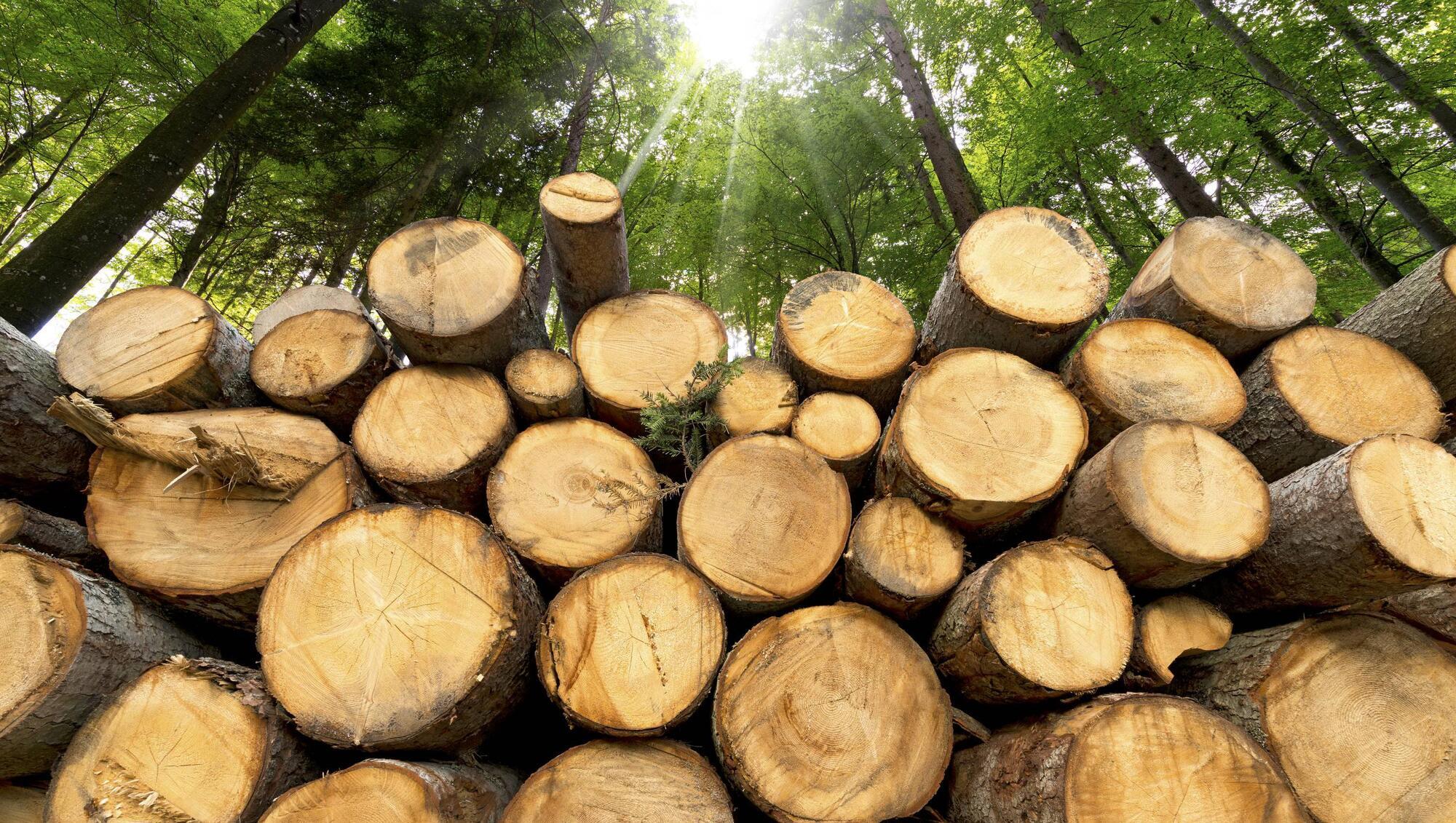
There is concern that some of the recommendations made in a new report, if implemented, could “further limit and restrict the planting and management of forests”, according to the Irish Farmers’ Association.

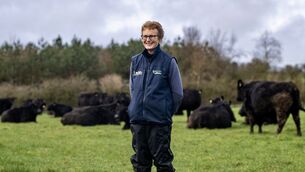
In recent days, Minister of State at the Department of Agriculture, Food and the Marine Pippa Hackett welcomed the publication of the Project Woodland Regulatory Review Report.

The independent review, commissioned by the department to review Ireland’s forestry regulations, was undertaken by law firm Philip Lee.

According to Ms Hackett, the report was necessary to assess the extent to which forestry in Ireland is being “appropriately regulated”, along with whether any improvements can be made to the licensing system “while working within the parameters of Irish and EU environmental law”.

“The report outlines changes in environmental law which have resulted in the increasingly complex regulatory framework that has ultimately led to delays in the issuing of forest licenses in recent years,” Ms Hackett said.

“It also makes recommendations which my department and I must now fully consider as we continue to reduce the backlog of forestry licence applications.” 

Project Woodland was launched in early 2019 by the department in an effort to “reform the regulation and vision” for forestry, in a bid to tackle the major issues in the sector, including the forestry licence backlog.

Pathways to improvements

Mark McAuley, director of Forest Industries Ireland (FII), told the Irish Examiner that although the latest report “takes a very cautious and conservative approach” to regulatory reform, there are a “number of recommendations in the report that identify opportunities and pathways to improvements and streamlining”.

“There is a discussion on analysing the different risk profile of different forestry operations that can yield a variable approach that is less cumbersome for some operations,” Mr McAuley gave as an example.

“FII is particularly interested in reducing the regulatory burden on forest thinning operations which currently involve a thousand licences each year and, with further work, could be treated in a different manner,” he continued.

“There is also a recognition in the report that the utilisation of forest management plans to provide a more strategic and long-term approach to licensing could yield significant gains in terms of advance licensing of a series of activities and remove the need for individual licences for each forest management activity over the lifetime of the forest."

Mr McAuley said that FII also supports the concept of embedding regulatory standards and binding rules in a legal framework.

“When standards can be tested by Environmental Impact Assessment and then embedded legally, this will speed up the screening process, assist in screening out more projects, and speed up Appropriate Assessment Reports when projects are screened in," he explained.

“In addition, the imposition of inconsistent and unpredictable licence conditions is proving unworkable.

“The use of robust, agreed standards is urgently needed to address this and provide clarity and certainty to forest planning and operations.”

Report recommendations 

Recommendations made by Philip Lee include that the Department of Agriculture should be subject to a statutory objective to determine a licence application within a prescribed period, which may be shorter or longer depending on the type of application.

Along with this, it is recommended that the department consider whether it is possible to provide a fast-track procedure for certain categories of emergency or low-risk applications.

The department is also recommended to adopt a more plan-led approach to licensing, and the result would be decision-making on individual applications being more straightforward and less time-consuming.

It is also recommended that the department consider whether there is any potential to adopt 'go to' areas for forestry, subject to prior public consultation and SEA/AA, to incentivise and de-risk afforestation licence applications in those areas.

It is recommended also the consideration whether there are any activities that are currently subject to a full licensing requirement which, on an objective basis, should require less scrutiny than other activities.

The report also does not recommend the introduction of a single integrated ‘once-off’ approach to the licensing of forestry.

In addition, it is recommended that department inspectors and other personnel directly involved in decision-making are provided with regular access to relevant training opportunities, both internal and external, to keep abreast of relevant developments in EU and domestic environmental law, and the appropriate methodological approach to carrying out screening for AA and screening for EIA and assessing the implications for water quality and species.

'Lack of vision'

Responding to its publication, the IFA said it is “very concerned by the lack of vision” in the report’s recommendations “to create a workable licencing system for forestry at farm-scale”.

“It is hard to see from the recommendations put forward in the report that farmer confidence in forestry as a viable land use will be restored,” Jason Fleming, IFA forestry chairman said.

“I am particularly disappointed with the recommendation to maintain the licence requirement for thinning operations, despite multiple examples being provided in the report that this is not the case in other European countries.” 

Mr Fleming said that such reform would have “significantly reduced the pressure on the system” and allowed farmers to manage their forests according to a forest management plan and the principles of sustainable forest management.

“The report does recommend that procedures are introduced to ensure that forest road applications are considered in parallel with any associated applications for afforestation or thinning licence,” he added.

Mr Fleming recognised that this is important as there are many forest owners that have received felling licence approval but are still waiting on forest road approval, which is “causing huge frustration and delays realising the value of their investment”.

“To be honest there was nothing substantive in the report to address farmer's concerns regarding forestry or that would reform the regulatory system to support planting at the scale required to meet the Climate Action Plan 2021 targets,” he added.

“If anything, the concern would be that some recommendations would further limit and restrict the planting and management of forests in Ireland.”

Ms Hackett said that the report is a "valuable source of information and a reference document" for anyone involved in forestry.

"The project board which is leading on the implementation of Project Woodland will be studying closely the recommendations and working with my department on an action plan for implementation," she added.

More in this section

Farming

Newsletter

Stay ahead of the season. Sign up for insights, expert advice and stories shaping Irish agriculture.

Cookie Policy Privacy Policy Brand Safety FAQ Help Contact Us Terms and Conditions

© Examiner Echo Group Limited