Feed costs likely to rise by another €100 a tonne as prices reach 'incredible' levels
Roy Gallie, chairman of the Irish Farmers’ Association pig committee, said that pig farmers “are on the road to bankruptcy”.
Feed costs likely to rise by another €100 a tonne as prices reach 'incredible' levels

Over the last five years, 24% of Ireland's maize imports came from Ukraine.

Animal feed prices have increased by more than €100 per tonne in recent months, but increases of potentially €100 more are necessary, according to the Irish Grain and Feed Association's (IGFA) latest market report.

With feed prices already at unaffordable levels for pig and poultry farmers and feed companies, grain assemblers, in turn, are already unwilling to buy ingredients forward in large amounts.

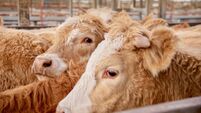
However, with last year's supply of ingredients running out, the industry has no choice but to enter the grain markets, where prices were described recently as "incredible" by Phelim Dolan from Comex McKinnon, a leading Irish cereal importer and exporter.

On Teagasc's Tillage Edge podcast, Mr Dolan pointed to the crisis in some sectors due to very expensive grain.

According to IFA, in mid-May, before a recent pig price increase, farmers were quoted €1.66 to €1.76/kg for pigs, leaving the average cost of feed at €1.69/kg of pigmeat. Some farmers had considerably higher feed costs, depending on how they bought forward.

Roy Gallie, chairman of the Irish Farmers’ Association pig committee, said that pig farmers “are on the road to bankruptcy”. “We haven’t got enough money to feed the pigs,” he said.

This difficult pricing and profitability situation on livestock farms has led to reluctance in the feed trade to buy wheat forward at quoted prices of €380 oer tonne, said Mr Dolan. With pig farmers all over the EU "haemorrhaging" losses, there is no appetite to buy ahead.

Feed wheat new crop futures (November) have gone to almost double the price from this time last year. But with feed companies and assemblers' ingredients stores mostly empty, it is now a critical stage for supply and price, with the true effects of the Ukraine conflict and other trends entering the marketplace.

Some feed companies say they have resisted significant price rises as long as they could, but have to readjust price lists to reflect the vastly changed market, and record-high new crop harvest prices. The feed industry normally purchases three to six months in advance, in order to guarantee a continuous supply.

Invasion of Ukraine

Grain markets spiked sharply in the three weeks after Russia invaded Ukraine on February 24. Prices fell somewhat in early April as exporters in Ukraine reported renewed movement of some grains by rail. Ukraine in a normal year supplies 9.2m tonnes of maize to the EU (57% of total imports).

Ireland imported 4.8 million tonnes of feed materials in 2021, of which 1.185m tonnes was maize, and 2.966m tonnes of other products such as protein feeds. Over the last five years, 24% of Ireland's maize imports came from Ukraine.

Following the invasion of Ukraine and the closure of Black Sea ports, alternative supplies had to be sourced from the US. Feed exports from Ukraine are now much reduced by the effects of the war, which also slowed crop planting.

In 2021, Ireland imported 103,000 tonnes of sugar beet pulp from Russia. Now, lack of supplies of sugar beet pulp will likely create shortages in total fibre supplies, according to the IGFA. Supplies from the US will not be sufficient to meet demand.

Improved growing and harvest conditions in South America also provided a small reprieve in April prices, but drought in the American plains has damaged wheat crops, while rain delayed early maize planting. The early onset of the dry season in Brazil is also contributing to weather risk premiums in markets.

Unfortunately, if these crop trends or weather developments reduce the harvests, grain and feed prices could go even further out of control.

Sanctions against Russia have also brought increasing difficulty in securing feed supplies, according to the IGFA, and have raised concerns over contracts already in place. IGFA said it appreciates the work done by government in granting derogations for some shipments of animal feed into Ireland.

"It is impossible to determine the long-term effects of the war on feed markets, but it is clear that continued trade disruption from the Black Sea region will have a massive impact on the availability and price of supplies," said the IGFA.

"World stocks of grain outside Ukraine will likely continue to decline and markets will remain extremely volatile. The window in the first quarter of 2023 where grain supplies traditionally came from the Black Sea will continue to be difficult for sourcing feed supplies."

Outside Ukraine and Russia

As concerns build over feed supplies, traders also have to contend with export bans. In mid-May, India introduced an export ban on wheat. India was expected to export 8m tonnes, and the ban has driven prices even higher.

According to Phelim Dolan from Comex McKinnon, high shipping costs are adding to grain costs.

But he said grain prices may fall (unless bad weather further reduces supplies), because markets are tired of unaffordable feed ingredients. He advised grain growers to sell forward, to lock into some profits at current prices, if they can.

They should also be wary of the widely predicted global economic turndown affecting commodity markets and dragging down grain prices from their current unsustainable high levels, and also reducing shipping costs.

As the feed companies enter the market at extremely high prices for feed ingredients that will guarantee supply to their livestock customers for the months ahead and for next winter, it is becoming clear that it is a new era not just for securing energy and fertiliser needs on the farm, but also for feed commodities.

More in this section

Farming

Newsletter

Keep up-to-date with all the latest developments in Farming with our weekly newsletter.

Cookie Policy Privacy Policy Brand Safety FAQ Help Contact Us Terms and Conditions

© Examiner Echo Group Limited