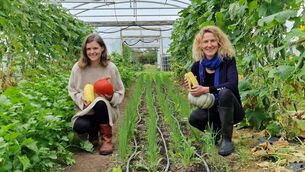
Group to deliver 5,000 social farming days in 2022
People attending the Social Farming Ireland activities avail of the natural environment, connect with the seasons, nature, plants and animals
Group to deliver 5,000 social farming days in 2022

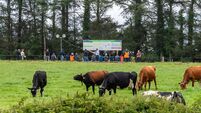
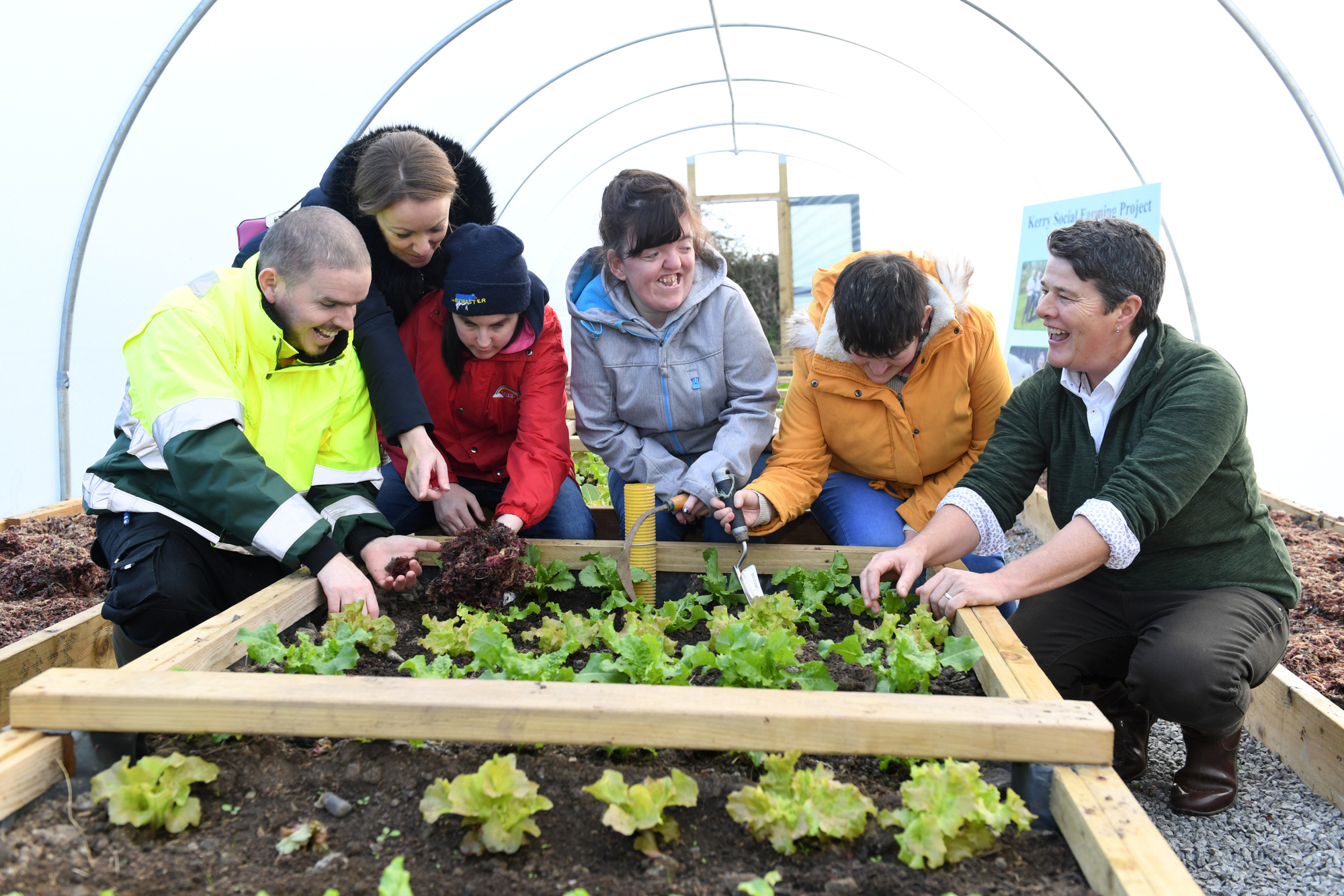
People attending a recent Kerry Social Farming Open Day at a farm just outside Ballybunion. The project currently operates with 30 host farms and 39 participants. Photo: Domnick Walsh

The demand for 'social farming', an initiative which provides social inclusion opportunities to people with physical and intellectual disabilities, acquired brain injuries and those engaging with mental health services, is on the rise.

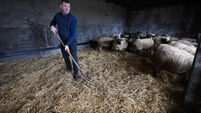
Participants attend farms typically once a week for a few hours and get involved in a wide range of activities. These can range from feeding livestock or sheep, growing and delivering vegetables or flowers, attending the local mart and other community events.

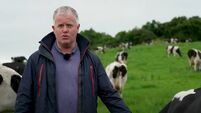
Social Farming Ireland national coordinator Helen Doherty said the concept gives people with challenges the opportunity to engage in everyday activities on ordinary working family farms in their local community.

She told the Oireachtas Joint Committee on Disability that people avail of the natural environment, connecting with the seasons, nature, plants and animals, which are all hugely beneficial for people with challenges.

Ms Doherty said SFI is responding to significant demand right now. People are exercising their choice to receive care and support in different ways and one of the choices people are opting for is social farming.

These are local solutions to local problems. People do not have to leave their area. Some travel distances to go to farms but generally, they are within a 20km radius.

She further told the committee there are always skills to be learned on a farm. Building wider social connections is important for people. They build new relationships and also with the community that exists around any farm, creating a wider personal network.

“There are also physical health benefits for people involved in social farming. In a very natural way, they end up doing a lot more physical activity, even if it is just walking,” she said.

Social Farming Ireland currently has some 150 farms on its books, has trained over 600 people and delivered 13,500 placement days to 1,400 participants.

The farms remain working while offering participants opportunities to learn farming and other skills, connect with the rural community and build meaningful relationships. SFI expects to deliver roughly 5,000 placement days this year and increase the number of participants to over 2,000.

Brian Smyth, National Project Manager, told the Oireachtas Committee that social farming supports more than people with disabilities. These include people in recovery from mental ill-health, refugees, people coming out of the justice and prison systems, and people with addictions and brain injuries, he said.

Kerry Social Farming

Kerry Eco-Social Farming (KESF), one of 24 European Innovation Partnership projects countrywide, is a locally-led community-based shared service.

It evolved from Kerry Social Farming, formed in 2013 by the South Kerry Development Partnership (SKDP), and currently operates with 30 host farms and 39 participants. Through the support of the host farmer, participants meet more people in the local rural community and get to know the neighbours, other farmers, and the farming family.

Farm and community diversity are the overall themes of the EIPs, which have a total budget of €66 million and currently has over 3,000 farmers participating. The main objectives of the projects, which will run for one year with a budget of €2.75 million, include the creation of a biodiversity plan for each participating farm.

Training for host farms and participants on hedgerow, wildflower and water quality management, and support for implementing actions beneficial for pollinators, birds and bats are also included.

Rena Blake (left) a Social Framer from Ballybunion, Co. Kerry, with Kerry Social Farming student Breda O'Sullivan from Killorglin at work collecting Eggs on the farm. From its beginning in early 2013, Kerry Social Farming has helped to build closer links between the farming community and people with disabilities. Photo: Domnick Walsh

Support for social farming in Ireland comes primarily from the Department of Agriculture, Food and Marine (DAFM) through its Commission for Economic Development of Rural Areas (CEDRA) Rural Innovation and Development Fund.

From its beginning in early 2013, Kerry Social Farming has helped to build closer links between the farming community and people with disabilities and has grown steadily and sustainably from year to year.

It delivered 76 days of social farming within the first six months (July-December 2013). This rose to 853 days during 2021, despite the disruption of the pandemic.

KSF has expanded from four farms in 2013 to 25 and has opened farm gates to over 60 people with disabilities. This allows them to avail of farming activities and enjoy the experience of being with animals and plants in a safe and friendly environment.

More in this section

Farming

Newsletter

Stay ahead of the season. Sign up for insights, expert advice and stories shaping Irish agriculture.

Cookie Policy Privacy Policy Brand Safety FAQ Help Contact Us Terms and Conditions

© Examiner Echo Group Limited