Pig farmers warn of gaps on shelves as producers start to cut back numbers
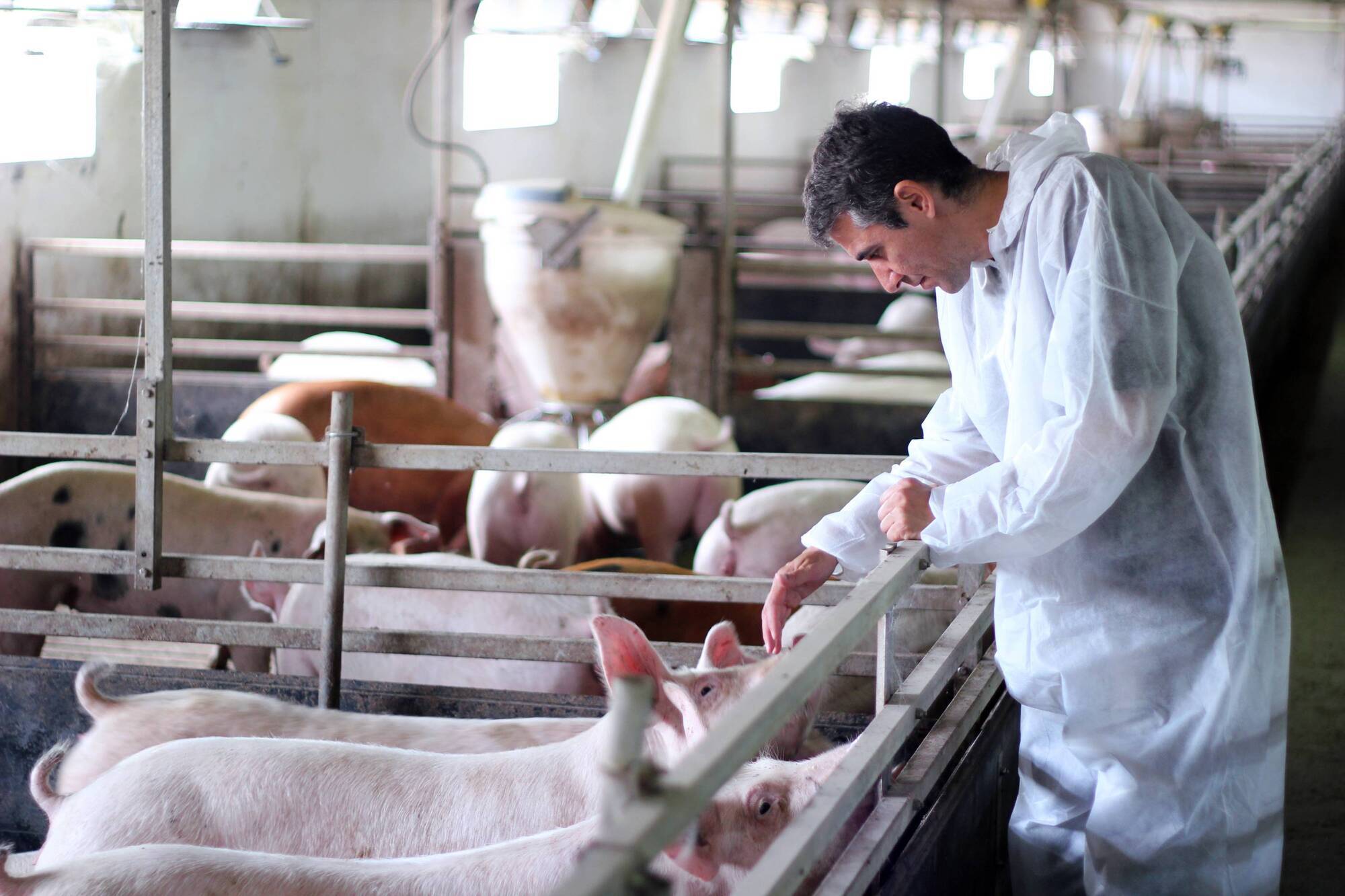
Teagasc forecasts the average size 600-sow unit will lose over €430,000 this year.
Teagasc forecasts the average size 600-sow unit will lose over €430,000 this year.
Prices for pigs have remained stagnant locally, again ranging from €1.66/kg to €1.76/kg this week, according to the latest Irish Farmers Association pig meat market report.
Throughput for the week ending April 24 was 62,145 - a lower figure due to the Easter bank holiday.
“Farmers need significantly more upward movement in the price they are paid for their pigs urgently to slow the haemorrhaging of money they have endured to date,” a spokesperson for the association said.
“Even with markets showing signs of recovery, and pig price moving slowly in the right direction, the increase required to reach break-even is far too large and slow for farmers to secure cash flow.
“This is completely unsustainable. Margins haven’t been recovered by the marketplace and this is concerning.”
It’s not helped that prices here appear to be lagging behind other countries. Ireland’s percentage of the EU price is currently 84% of the EU average price.
The European market is continuing to improve with pigmeat prices moving upward, with around €1.90c/kg paid for Grade E carcass. According to the European Commission report, it’s 21.2% higher than this time last year.
The UK price also had a further significant increase and now sitting at around €2.10/kg.
Agriculture minister Charlie McConalogue announced earlier this month that Government approved a €13m EU exceptional aid package to support commercial pig farmers.
Under this, farmers will be eligible for a maximum payment of €70,000 per enterprise.
However, lobby bodies warn packages announced will only cover losses for April and May.
The Irish Farmers’ Association said it went to Government “looking for an aid package to support us for the year” and what has been put on the table so far is “a long way off the mark”, according to IFA pig committee vice-chairman William Murphy.
During the conference, Dr Rory Deverell, a commodity trading advisor at StoneX, explained the merits of forward purchasing or insuring purchases of feed on commodity markets, explaining that processors, mills and farms can insure both against prices rising and falling.
It’s too late for this year. For many farmers such instruments remain too obscure to become a serious consideration, fearing getting locked in at the top of the market or that soya prices could now fall dramatically.
Tuesday’s conference explored the latest research and innovative ideas to improve animal health and welfare but with prices where they are, and producers struggling to pay for the essentials it’s hard to see how many can have the appetite to invest in welfare upgrades now.