Anaerobic digestion policy ‘key to help reduce emissions’

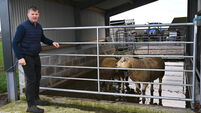
'The red tape and obstacles put in the way of someone who wants to start up an anaerobic digester are excessive,' according to Christopher O'Sullivan TD. File picture
Policy on anaerobic digestion is needed, according to a Fianna Fáil TD, as the development of this sector is "key" in helping agriculture reduce its emissions.
Speaking during a recent debate on the Circular Economy, Waste Management (Amendment) and Minerals Development (Amendment) Bill 2022, Cork South-West Fianna Fáil TD Christopher O’Sullivan said that it is "fundamental" to helping with the energy crisis and decarbonising agriculture.
“We have heard about the contribution of agriculture to greenhouse gas emissions. It is a large emitter, but the industry and the sector want to change and to be part of the solution, which we have seen in the climate action plan," Mr O'Sullivan said.
He said that the philosophy of having a “co-operative approach” to the disposal of waste – whether it is from a piggery, chicken farm, beef farm or local distillery with grain waste – involves having a “ready-made place to bring waste to”.
“The red tape and obstacles put in the way of someone who wants to start up an anaerobic digester are excessive,” he said.
Speaking at the recent Oireachtas meeting of the joint committees on agriculture, food and the marine, and environment and climate action, Dolan Industries Ltd called for a less "restrictive" approach for the use of dry digestate, liquid digestate and bio-solids from anaerobic digestion and biomethane facilities, as they would complement the use of standard chemical-based fertilisers.
Currently, outputs from these facilities are required to meet a compost/digestate standard, which is included as a schedule in the licence that is granted by the Environmental Protection Agency (EPA).
If a waste, like in this instance, has not have formally reached end-of-waste status, if it is produced to the specified standard, then it is no longer considered to be classified as waste and can be spread on land, as long as other relevant requirements are met, such as nutrient management plans, according to the EPA.
From July of this year, the EU Fertilising Products Regulation comes into effect, which will bring about an alternative route for certain materials to become classified as end-of-waste for the purpose of use as fertiliser.
The EPA is engaging with the Department of Agriculture on how this new regulation interplays with the regime in place for end-of-waste and by-products under the Waste Framework Directive.
John Dolan, Dolan Industries director told the recent Oireachtas meeting that it is a "precarious time" for Irish farmers, who are "under enormous pressure along with the rest of the EU to be able to produce enough food".
“Everybody is aware of the parabolic increase in chemical fertilisers over the past few months due primarily to the ongoing war in Ukraine,” he added.
He said that a percentage of farmers have not yet secured their fertiliser for this season, with “shortages, delayed delivery times and outrageous cost prices” resulting in a “serious crisis”.
“This will have massive, unforeseen consequences for Ireland's rural economy and could have potential animal welfare repercussions this winter.
"It should be the Government's objective to maximise food productivity in an environmentally sustainable manner.”