Consultation on forestry's future taking place
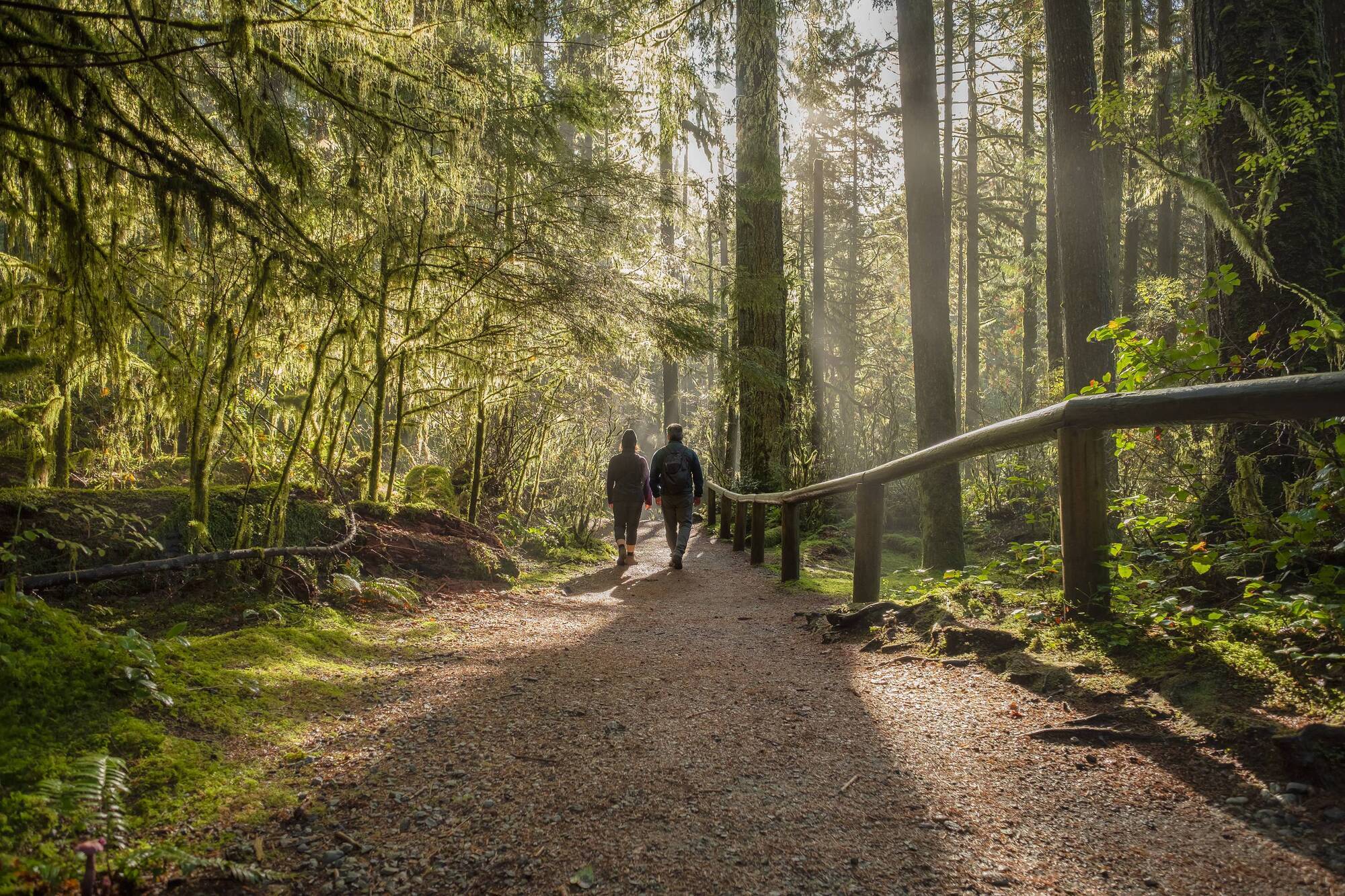
The consultation will run until April 27.
Consultation on forestry's future taking place

Launching the consultation, minister of state at the Department of Agriculture, Food and the Marine Pippa Hackett said that trees are a “vital part” of Ireland’s heritage and make a “significant contribution” to the rural economy.

A public consultation survey has been launched on the future of forests in Ireland as the latest phase in the development of a new forestry strategy.

The survey features sections on the reasons why forests are planted, the places they are planted, the types of trees that are planted, and how forests are managed.

The consultation will run until April 27, until which the online questionnaire — which takes approximately 15 minutes to complete — will be accessible.

Launching the consultation, minister of state at the Department of Agriculture, Food and the Marine Pippa Hackett said that trees are a “vital part” of Ireland’s heritage and make a “significant contribution” to the rural economy.
“The shared vision for forests and the forest strategy we are developing will have an impact for generations to come,” Ms Hackett said.

The consultation is part of the work of Project Woodland, an initiative to tackle issues in forestry in Ireland and drive forward the planting of trees.

Ms Hackett encourages all citizens, private organisations, public authorities, communities, and stakeholders to contribute.

The information provided by respondents will be used to inform the final Shared National Vision for Trees and Forests in Ireland and in the development of a new forest strategy.

Submissions made to the consultation will be published on the department website after the closing date.

Attitudes to afforestation

This consultation follows the department’s publication of survey results that show that three out of four people are in favour of planting more forests in their county, as well as more trees in urban areas.

Results of the Attitudes to Afforestation in Ireland survey showed that people said the most important benefits of forests were how they addressed climate change (25% of respondents); enhanced air quality (15%); contributed to wildlife and biodiversity (14%); and supported mental health (14%).

Overall, 88% of those surveyed said they thought forests and woodlands benefited local communities.

Almost two in five people said they would like an even balance of forests and agriculture in their ideal landscape, while a further quarter would like a forest-dominated landscape.

  • A majority of people (72%) favoured planting broadleaf and conifer trees in new forests;
  • 17% said they would like to see mainly broadleaves planted; 11% favoured mainly conifers;
  • 58% of people have visited a forest in the past year with exercise and recreation cited as the key visit driver;
  • 57% said they visited woodlands more since the Covid-19 pandemic began compared to 2019.

Announcing the results earlier this month, Ms Hackett welcomed the “positive attitude” people have towards woodlands.

“Woodlands are important amenities as shown by the increase in people visiting since the Covid-19 pandemic began. These findings emphasise the value people put on woodlands and represent an opportunity to grow the forestry sector along with industry.”

Mark McAuley, director of Forest Industries Ireland said the public has a “clear appreciation of the benefits of woodlands and forestry”.

He said the sector awaits the Government’s rollout of a new forest strategy “that is cognisant of what the public wants”.

The survey of 1,012 people found most people live close to a forest, with 42% of people within 5km of one.

Just 10% of people live in a wood-built house, although up to a quarter more of the population would like to.

x

More in this section

Farming

Newsletter

Stay ahead of the season. Sign up for insights, expert advice and stories shaping Irish agriculture.

Cookie Policy Privacy Policy Brand Safety FAQ Help Contact Us Terms and Conditions

© Examiner Echo Group Limited