Brian Reidy: Put the cow first when managing grass
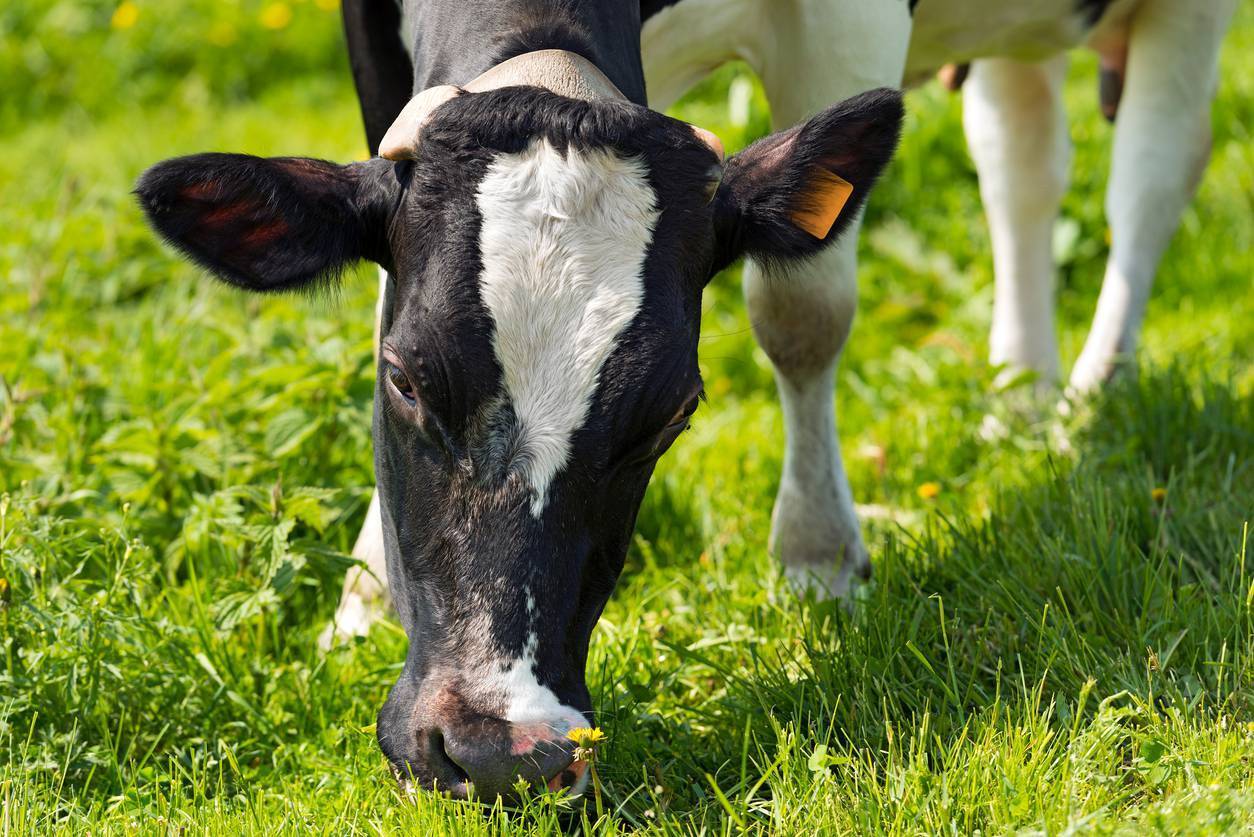
There may need to be some significant adjustments made to grazing plans if the heavy rain continues.
Brian Reidy: Put the cow first when managing grass

There may need to be some significant adjustments to grazing plans if the heavy rain continues. Photo: iStock/Getty Images

Most dairy producers have had an opportunity to get a few kilos of grazed grass into cows this spring. Unfortunately, the weather has not been cooperating over the last two weeks, but hopefully, cows can get to more grass for longer soon.

There may need to be some significant adjustments to grazing plans if the heavy rain continues. 

Having said that, it’s still over five weeks until the planned start of the second rotation for most.

All that being said, at this time of the year, in early lactation, the cow must be central to any grazing strategy. 

If she can’t get enough grass into her then she must be compensated for it indoors. One thing that makes no sense every spring is the comment that cows go way up in milk when they get to grass full time. If cows go way up in milk immediately after hitting grass then the diet they were on pre turnout must not have been fit for purpose.

Very few weanlings have been turned out to grass yet, as for most they won't let them out until they are certain they can stay out.

Management once at grass

Every milk production system is slightly different as every farmer, their cow type and their land type are variable. A great starting point for a successful, lactation in any system is an uneventful transition period.

How you manage cows in the dry period followed by the transition to milking will determine her performance for the remainder of their lactation. Fresh cows should not be thrown straight out to grass for the full day immediate after calving.

It takes all ruminants 21 days to get used to a new diet. This means that the rumen bug population requires 21 days to be able to digest new ingredients properly in a diet. 

Good practice should be to have a fresh calved group where possible, with this group being made up of those calved in the previous seven days or thereabouts depending on space. 

These should be grouped separately while indoors and may be left out to a paddock close to the yard for a few hours during the day before joining the main herd for the full days grazing. Obviously, a drafting gate is ideal in this situation as it makes separating out cows and heifers a seamless job. 

Where drafting is available, then all cows can be housed together but separated after morning milking. This option is great at transitioning fresh cows and heifers into the milking herd while gently adjusting their digestive systems to intensive grazing.

Fresh Cow Monitoring 

Watching fresh cows closely is such an important job every spring. The push for cow numbers is putting this aspect of spring management under pressure. With it being such a busy time of year for most this opportunity to monitor cows may only occur twice per day while milking as other jobs consume you. 

Calving, feeding calves, bedding cubicles, cleaning calving boxes out, cleaning calf pens, feeding heifers, dry cows and the main milking herd are the main jobs, never mind repairs and maintenance etc…...

Never mind slurry, fertiliser, fencing, walking grass and putting up and taking down strip wires. The list is endless. Monitoring fresh calvers easily is another good reason why a separate fresh group for those cows calved in the last seven days is worth considering.

What to look for?

It is much easier to identify cows not eating properly and those that are being bullied along with many other issues unique to fresh cows if they are in a smaller more manageable group. 

If you have accurate weights of bales and grabs of silage or are diet feeding, then it is possible to calculate total dry matter intakes accurately. Any fresh cow group should be consuming 75 to 80% of the food that the group of cows calved over one week would be.

Each day post-calving a cow’s intake will increase steadily. Where intakes are increasing steadily cows are less likely to go into a negative energy and therefore will be less likely to suffer from ketosis. Cows in a positive energy status will have higher milk protein and return to cycling quicker, while good intakes of fibre post-calving maintain healthy butterfat percentages. 

Another performance indicator is dung consistency, loose dung is never good and should be addressed, while extra firm dungs with a black coat indicate a lack of protein in the diet. Milk yield is the most commonly monitored performance indicator and is obviously very important. 

A steady increase to a cow’s peak is much preferable as it is easier for her to match intake with milk yield. For this to be achieved, nutrition in early lactation is critical.

  • Next week's Herd Management column will consider early lactation nutrition pre- and post-turn-out.

More in this section

Farming

Newsletter

Stay ahead of the season. Sign up for insights, expert advice and stories shaping Irish agriculture.

Cookie Policy Privacy Policy Brand Safety FAQ Help Contact Us Terms and Conditions

© Examiner Echo Group Limited