Farm finance: A tough week on the farm puts Kieran's accounting duties on hold
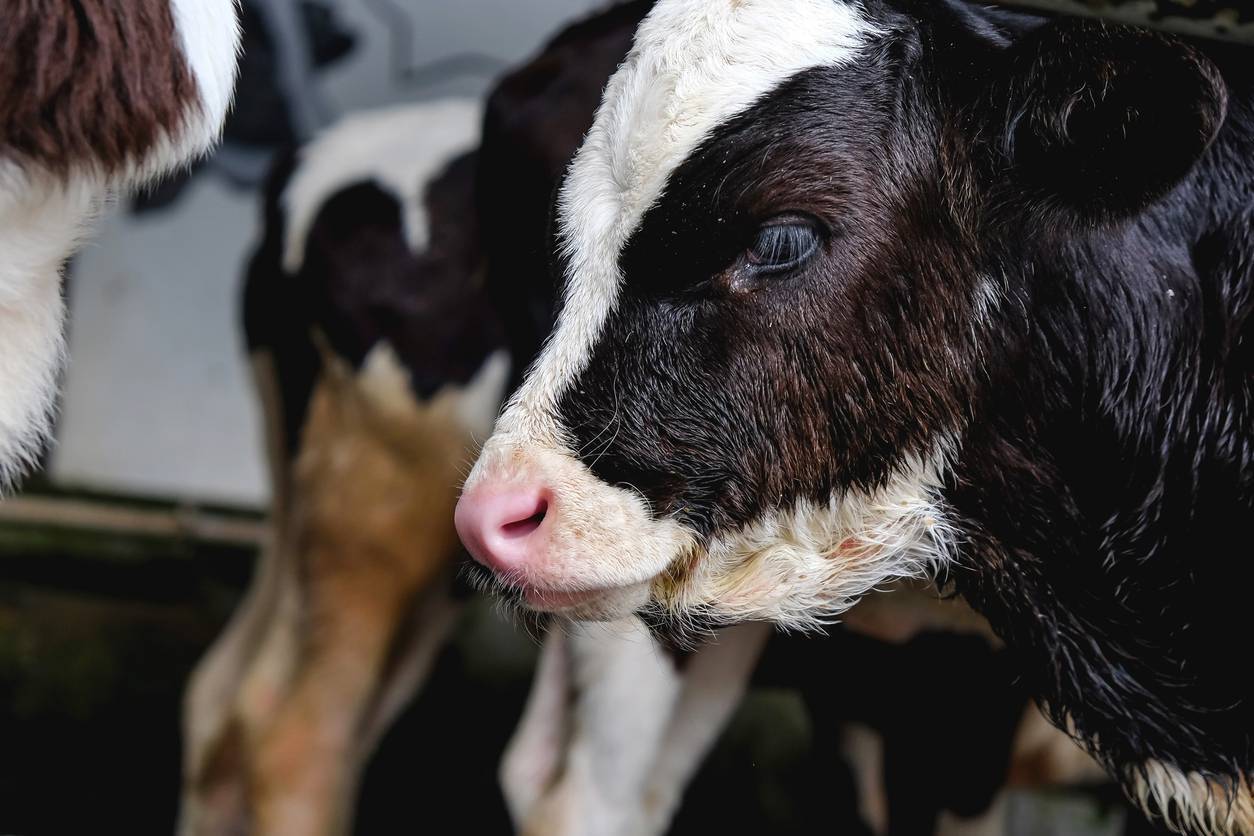
It's been a tough week on the farm for Kieran and his calves. File photo.
It's been a tough week on the farm, an outbreak of rotavirus amongst some of the calves has resulted in an exponential increase in the workload coming just off the back of peak calving the previous week.
My farming hat was firmly on this week, with very little time dedicated to office duties. The rotavirus outbreak was confirmed thanks to a snap test carried out at my local veterinary practice, Riverview Vets in Bandon.
Just as well too as I would have presumed the outbreak was crypto-related and pursued a different treatment strategy as a result. With the correct diagnosis confirmed, all remaining cows were vaccinated, which should bring protection to those left to calf over the next week or so.
The calves affected are sluggish and dull in form for three to four days at a time, with the odd one needing stomach tubing to ensure sufficient liquids are absorbed.
Thankfully, I have avoided the need to drip any calves, but those worst affected are being fed up to four times and day on a little and often basis to ensure they are sufficiently hydrated. Those affected earlier in the week have now recovered and are back on form meaning the workload has abated somewhat.
This past week also saw the rolling in of three storms, Dudley, Eunice, and most lately Franklin. No damage was experienced on-farm but the working environment was less than pleasant with rain and wind whipping you once you stepped out from shelter.
Anyone that would doubt the tenacity of Irish farmers and their dedication to their animals and job would have done well to attend farms up and down the country this week as they battled with the elements with many struggling from electricity outages.
Thankfully, on the home farm animal housing is sufficient and well-sheltered meaning animals benefited from continued comfort during the period.
Read More
This week also saw the arrival of another dozen calves, and in an effort to avoid rotavirus spreading to these newbies, they have been confined to temporary accommodation in a straw shed rather than the usual calf house. This has also increased the workload, but it’s a small price to pay to keep these animals protected from the virus.
Thanks to some kind neighbours for donating beastings from Rotavirus vaccinated cows which should give protection to those newbies. All calves are now also receiving gut protecting supplements.
As a result of the storms, calf shipping ground to a standstill, meaning the price of shipper Friesian calves is on the floor with some lots failing to receive bids at local marts.
It’s an easy and sweeping statement to say that calves are a by-product of the dairy industry. Just because a by-product is created from a process doesn’t mean it is worthless or a negative outcome of primary production. Bitumen used in road surfacing is a by-product of distilling crude oil and I’m sure most of us are glad to drive on smooth roads as a result.
When calves are being sold for less than the price of a tin of dog food, it seems to me that the relationship between prices paid and the value that should apply are seriously disconnected.
It would be easy for any farmer with a shed load of half worthless calves with a disease outbreak to turn a blind eye and let those destined to recover do so, and let nature take its course for the rest, but any farmer worth their salt will do all things to preserve and protect the lives of the animals under their care, even if it is uneconomic to do so.
As farmers, we do our best to care for the animals under our care. Farmers don’t need a clap on the back for doing their job well, it is after all the default position one should aspire to, but sometimes the negative stories portrayed about dairy farming or the prices attained for your efforts can run you down.
Seeing sick animals recover and thrive will for the moment have to suffice as a good consolation until prices for calves return to normal levels.