Brian Reidy: Plan carefully for next winter's feed
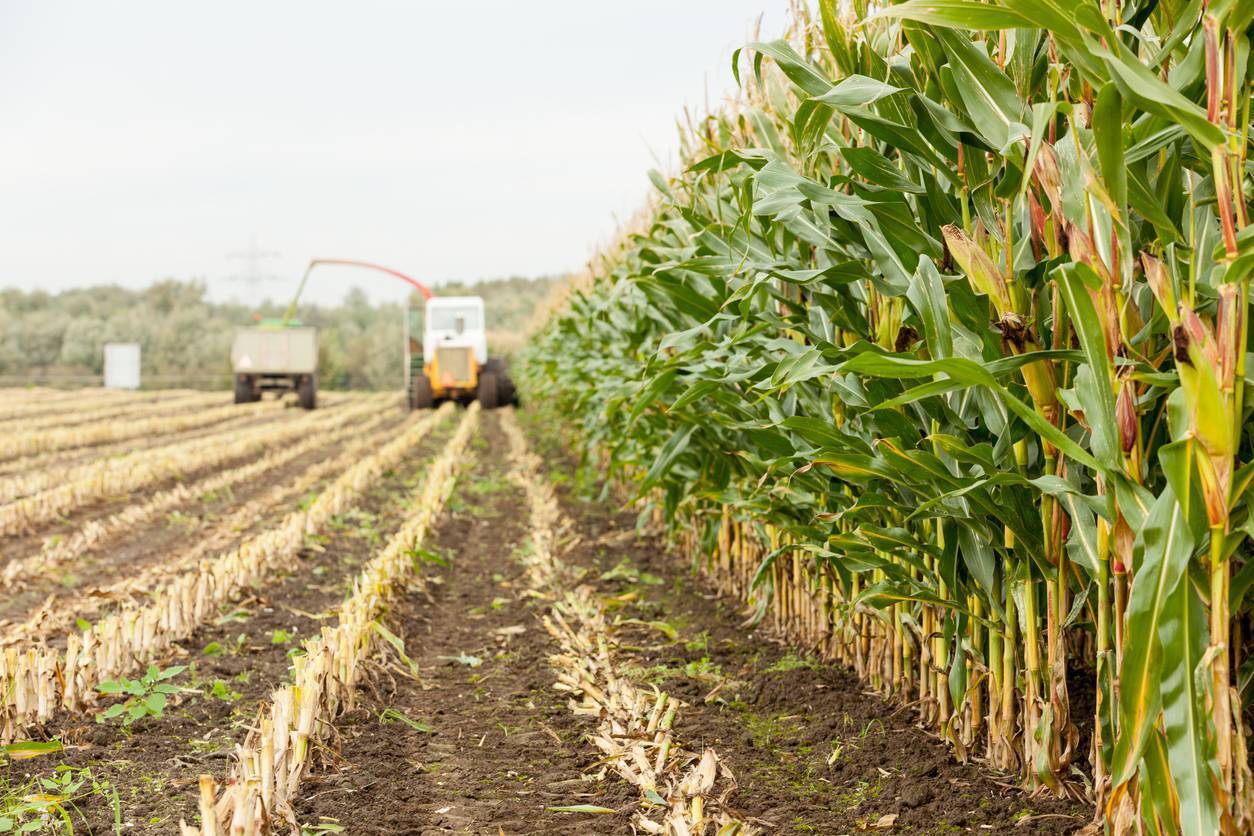
Many are talking about bumper crops of maize and beet grown in 2021.
The price of fertiliser and feed have become two hot topics on-farm over the last number of months. Well as the saying goes, you can’t have one without the other.
At this point, it is inevitable that any homegrown forages and cereals will have a higher production cost in 2022.
While the price of inputs may be out of control, the value you can get for your spend is within your control.
Consider what crops give the best return per unit of nitrogen and how to make best use of slurry.
Many are beginning to review their plans for what crops to produce for the coming season.
After last year, when most experienced varied quality and yields in all crops, many beef and dairy producers are reassessing their options for feed next winter. The poor May has resulted in a lot of less than ideal first-cut silages for milk and meat production this winter.
Before we look forward, we should make sure that we have accurate information about the previous year’s forage production.
Many are talking about bumper crops of maize and beet grown in 2021.
Maize, in particular, has tested quite well with good dry matter and starch results very common.
It really boils down to growing maize in the right site, using the right varieties under plastic and applying the appropriate nutrients to the crop. 150 units of nitrogen per acre will produce 6 to 7 tonnes of dry matter with maize grown under film.
This equates to 22 to 25 units of N per tonne of dry matter. Couple that with the fact that slurry can provide up to 100% of the P & K to grow a crop of maize and you are looking at a very efficient and cost-effective feed source, considering Nitrogen prices.
To grow a similar 6 to 7 tonnes of dry matter from grass silage you will need to cut 3.5 acres of grass and for this most will apply 280 units (80/acre), which equates to 40 to 46 units of nitrogen per tonne of silage dry matter.
Then you must consider the energy density of silage versus maize and for sure if you cut silage in late April/ early may then it will be close in energy to maize, but you will then be compromising on yield.
Grass silage quality is so heavily determined by weather conditions meaning that a bad season pre-harvest and at cutting can have huge quality and cost implications for the producer. These are sums well worth considering and I accept that many will not have suitable land for maize, but many will.
The addition of a second forage source along with grass silage to a dairy or beef diet will increase total forage Dry Matter intake by between 10 and 15 per cent.
This will result in reduced concentrate inputs being required, thus reducing production costs and the dependence on purchased feeds. Beet is also an excellent way to boost energy in freshly calved cows before heading to grass and for finishing beef cattle.
Alternative forages have a huge role in future dairy and beef production in Ireland, as they are generally far more reliable sources of high-quality energy for stock in comparison with the extremely variable grass silages produced here yearly.
A viable option for some farmers who do not have suitable land to grow alternative forages may be to source them locally from specialised tillage producers.
Do your sums based on a cost per tonne dry matter and calculate further down to the cost per 1000 UFL for each forage before any decision is made. Renting ground for silage is often not cheap relative to buying forage at harvest.
Those who are serious about producing quality grass silage have a plan in place to produce the best feed possible.
This plan should include an early grazing strategy or not grazing, a soil nutrient test, a fertiliser and slurry programme, a weed control programme, a reseeding programme, a planned cutting date and a good ensiling strategy. How many of us can honestly say that we have all of those boxes ticked. This is the time of year to set out your goals for all of the above aspects.
Those producing quality silage in 2022 will be cutting it in late April/early May and will have the first application of fertiliser out in the next two to four weeks or so, weather permitting.
Unfortunately, we now see a lot of silage saved in Ireland are either very dry due to over wilting or the opposite is also true with many extremely wet silages in pits due to a wet May last year. Dry silage generally don’t preserve well, heat at feed out and contain harmful moulds.
While the wet silages make it impossible for stock to consume sufficient dry matter.
Silage should not be on the ground more than 24 hours unless it is being baled.
Grass silage production is getting more expensive every year, with quality variable depending on weather, cutting date, over or under fertilising, poor ensiling practices and grassland management.
Too much poor or average silage in the pit will in fact increase overall production costs.