Concern continues to grow that 2022 will be defined by “soaring” input prices, with policymakers being urged “to step up with measures to address the issue”.
New figures this week from the Central Statistics Office show that farm input prices increased by 15.7% between October of this year and October 2020.
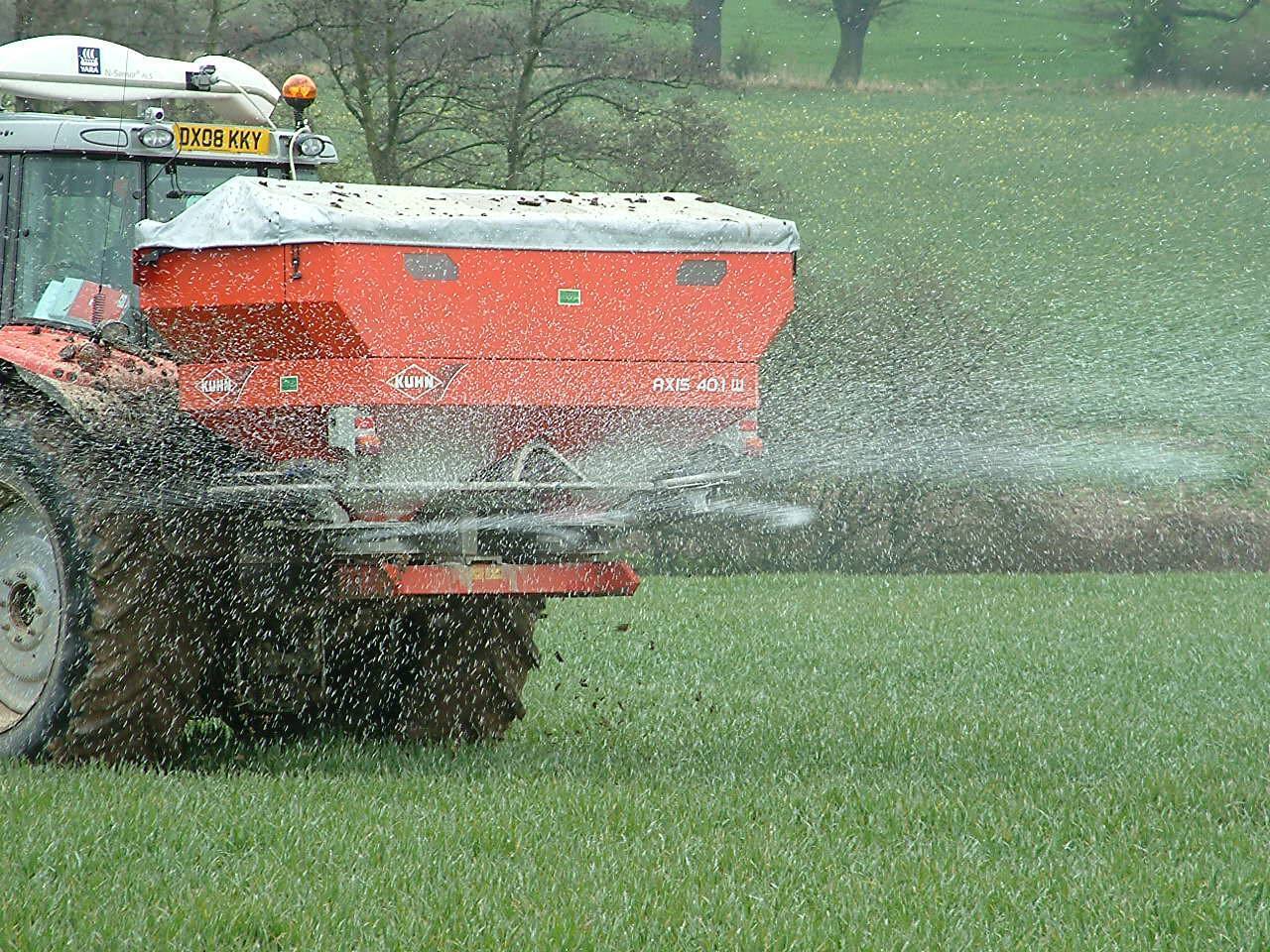
Fertiliser costs alone increased by 52% in the space of a year, while motor fuel prices jumped up 36%, electricity is up by 15% and feed costs are up by just over 14%.
Between only September and October of this year, fertiliser prices increased by nearly 16%.
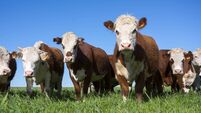
The figures show that farm output costs did also increase in the last year, by just over 14%; with cattle prices up nearly 16%, cereals by 34% and milk by 17%.
However, while this would “normally be a good news story”, the increases in input prices have “actually ensured that farmers were worse off”.
President of the Irish Creamery Milk Suppliers’ Association Pat McCormack said that price inflation is “completely eroding” output price improvements.
Mr McCormack has warned that further “astronomic” costs in 2022 are “already in the pipeline”.
He said the ICMSA believes that the actual increases in prices “could well be higher” than the figures released this week.
With the prices of straight fertilisers alone increasing by as much as 64.5% and compound fertilisers by 49.6%, Mr McCormack said that “it’s very obvious that these types of input price hikes are unsustainable”.
He added that it was already looking like 2022 will be “defined by soaring input prices”, and that the “immediate attention” of national and EU politicians is required.
“They need to examine the options available either to immediately decrease input prices to realistic levels, raise output prices to compensate for input cost increases, or else provide support through direct support or the taxation system,” Mr McCormack said.
Another farm organisation has highlighted that as a result of costs escalating, the profitability and sustainability of liquid milk producers have been “eroded”.
Irish Farmers’ Association liquid milk chairman Keith O’Boyle said that while input costs rise sharply, the retail price of milk has not reflected this in the last decade.
“The National Milk Agency estimates that 70% of milk sells under private label, which typically carries a 27% discount,” Mr O’Boyle said.
He said that there is significant pressure on farmers in the liquid milk sector as the “premium over the winter no longer covers costs, let alone leaves a profit”.
“If retailers and consumers want a consistent supply of high quality fresh milk throughout the year, they simply will have to pay more for it,” Mr O’Boyle added.
The CSO figures show that the only sector to have seen a decrease in output prices year-on-year is the pig sector, which saw prices fall by just over 7%, compared to the high levels recorded in 2020.
Market prospects for all sectors in 2022 are dominated by cost pressures that have built over the second half of this year, and will impact to a greater extent on incomes in 2022 than they did in 2021, Teagasc has warned.
Fertiliser prices in 2022 could be more than double their 2021 level. The high price of natural gas, a key ingredient in fertiliser production, has caused disruption in the international fertiliser industry this year.
Fertiliser prices have risen to record levels as a result. Fertiliser prices and availability will represent twin concerns for farmers next year, according to Teagasc’s economic outlook.