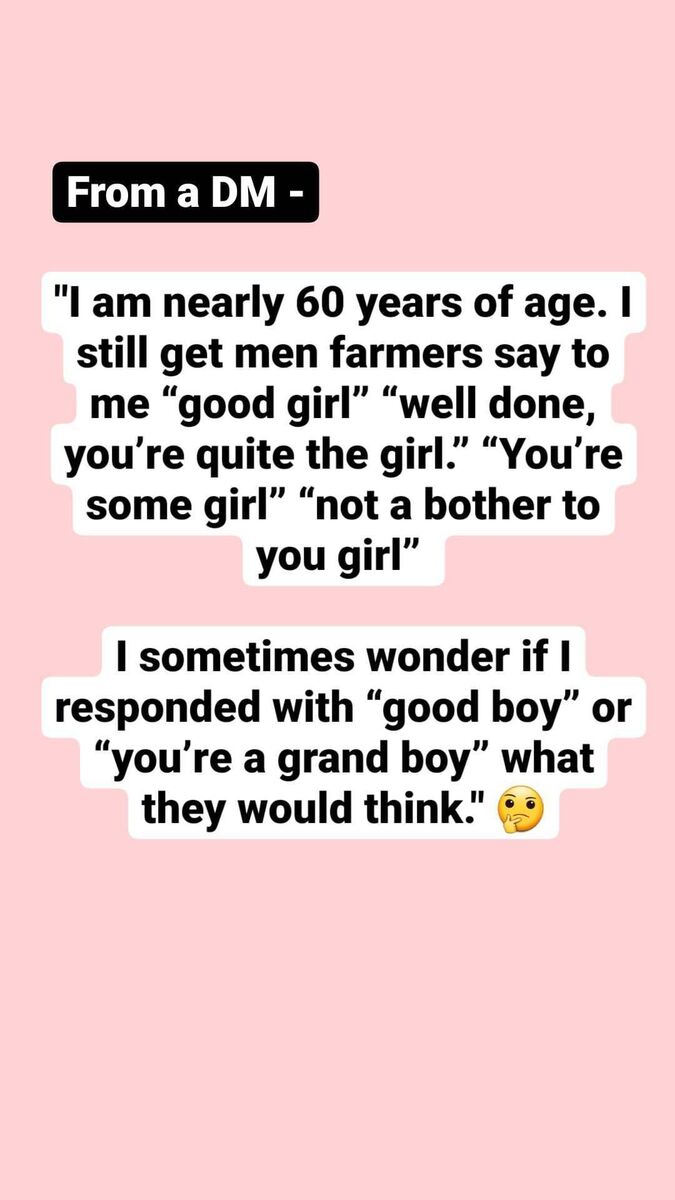
A social media campaign has allowed the voices of Ireland’s forgotten female farmers to be heard, without the fear of stigma or reprisal.
Within just 24 hours of its launch, more than 100 women had shared their experiences of sexism in the agricultural industry.
One woman said the careers advisor at her school would not help her with her application for agricultural college because it “wasn’t for girls”, another said her parents had told her they wanted to leave the farm to her brother “because he will carry on the family name”.

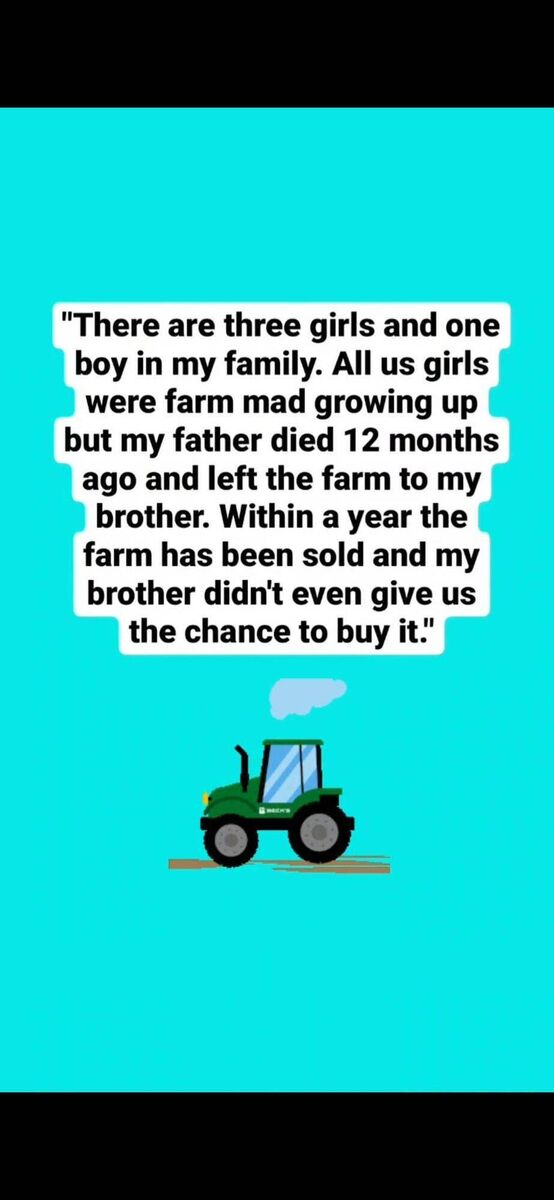
“There are three girls and one boy in the family. All of us girls were ‘farm mad’ growing up, but my father died 12 months ago and left the farm to my brother. Within a year, the farm was sold and my brother didn’t even give us the chance to buy it.”
Hannah Quinn-Mulligan, chairperson of the Women in Agriculture Stakeholders Group came up with the idea to ask female farmers to anonymously share their experiences.
The newly founded group, which aims to lobby on behalf of women involved in farming, has already made major gains in its work.
Ms Quinn-Mulligan said she started the campaign after her own experience of sexism.
“A salesman called into our yard and asked me could he speak to the boss. I said, ‘what?!’ And he said, ‘your husband’ — and I am, as far as I know, not married,” said Ms Quinn-Mulligan.
“This is a common occurrence for women who are farming in their own right, who are farming in equal partnership with their husbands or their sons or their brothers.

“I asked for positive experiences as well as negative, and we have had a deluge of comments.
“Some of them have been positive, and that’s fantastic to see, but I would say 98% of them have been negative and it ranges from women working with their brothers and fathers on farms and knowing they will not inherit the land, to girls being passed over for inheritance, girls feeling very awkward going into marts, sales reps going in and refusing to accept a cheque off a woman, asking for the boss instead.
“We are publishing these anonymously.
“We have already put in a CAP submission with our concerns about the criteria limiting women from applying for TAMS. I am going to update our submission ahead of the deadline and attach all of the anonymous letters to personalise it for the department.
“I did not, in all honesty, expect to get a response like this. The call has been out for less than 24 hours and we have already had around 100 women contact us.
“More heartening comments include women who say they have been supported by their family in farming or that sales reps have never treated them any differently.
From casual sexism to the increasingly deliberate acts of cruelty. It's been quite a rollercoaster but thank to everyone who has kept sending them in.
— Women in Agriculture Stakeholders Group (@WomensAgriGroup) December 6, 2021
The CAP deadline is fast approaching & we intend to send the experiences anonymously along with our submission 🚨 pic.twitter.com/yMAQDRVnMN
“There is a cultural legacy that land is always passed from father to son, and we talk in Ireland about colonisation and when land came back to the people, but it never came to the people of Ireland, it came back to the men of Ireland.
“Figures show that only 16,000 women are farming officially, yet CSO figures show that 70,000 are farming every day unrecognised.
“That’s why it so important that the minister takes this seriously and doesn’t just pay lip service,” said Ms Quinn-Mulligan.
However, there were positives too.
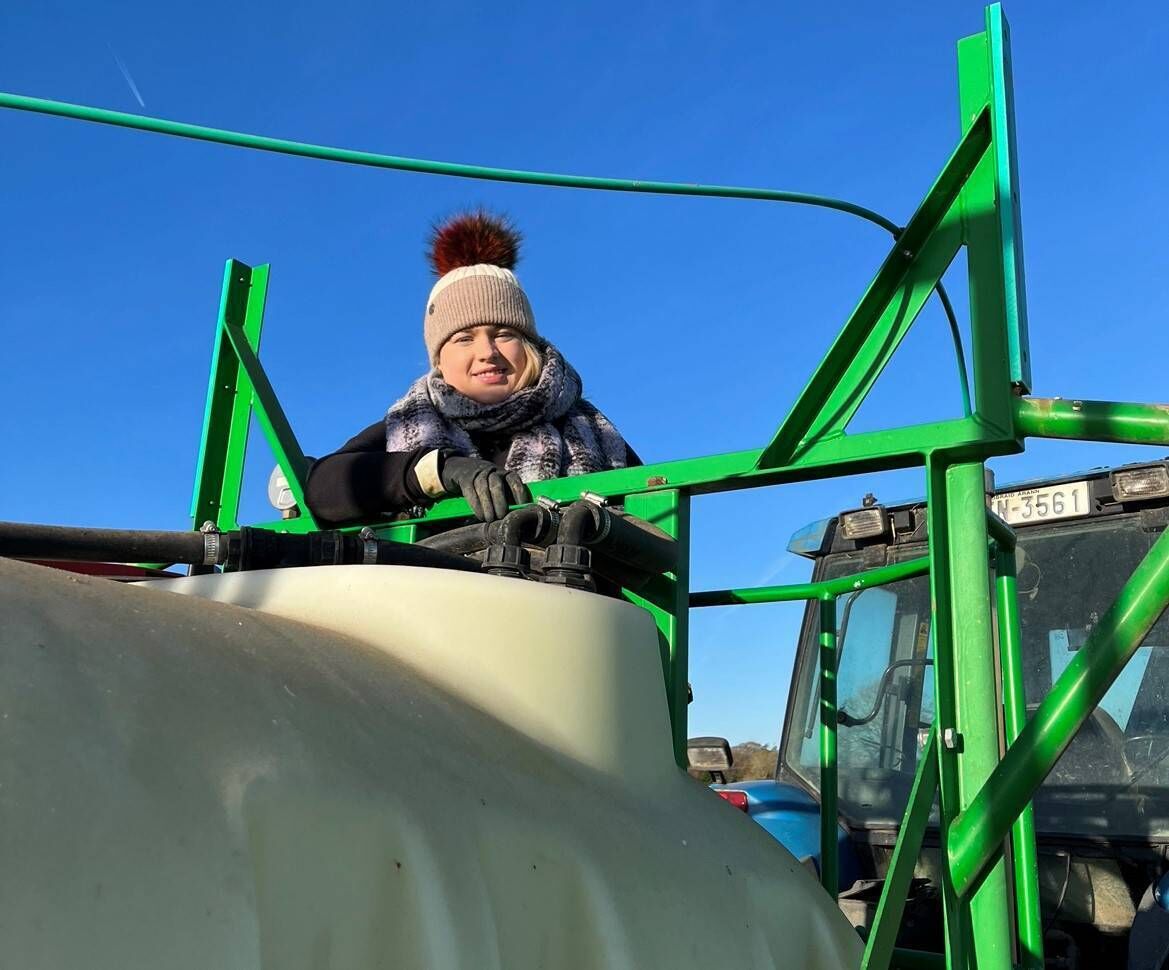
Niamh Hendy, a cereal grower and beef finisher, is the Irish Grain Growers Group representative on the Women in Agriculture Stakeholders Group.
“My own experiences on the home farm have been positive,” she said.

“I have never had any issues with my father or brothers and come from a long line of female farmers so it was never looked on as strange for me to want to come home to farm, but if someone sees me driving the tractor or even at the mart, I’d sometimes get the odd look or comment.
“I just take it on the chin now, but I’m used to it now. It’s water off a duck’s back to me, but I worry it could discourage other young women from taking an active role on their farm and becoming farmers.
“I was absolutely shocked by some of the women’s experiences [shared in the Instagram campaign] — women who have been actively farming at home and the farm still going to go to a brother with no interest; it’s hard to believe that kind of thing is still happening today.
“I would like to see it encourage more women to be officially recognised for their role on the farm — not just ‘helping out’ because it’s a lot more than that.
“There’s a patriarchal notion that the farm goes to the son. People think that doesn’t happen any more but it does.”
Vanessa Kiely O’Connor, a dairy farmer from West Cork, said she has had both positive and negative experiences as a woman in farming.
“My experiences have changed over the years,” she said.
“The farming families I worked for at the start gave me every encouragement. I was coming from a non-farming background, but they recognised the fact that I loved my work and working with cows.
“But when I was doing the farm apprenticeship, the opportunities to work abroad were really set up for male candidates. I applied to go to France but they didn’t have families that were willing to have a female student.
“I went to the interview and I was told straight out that they, unfortunately, didn’t have any family that was open to it. Now, that was back in the 1990s, so I would hope things are better now.”
Ms Kiely O’Connor said that she also had to carry out a three-month work placement before she was accepted for the course.
“They said they would speak to the farmer first to see how I got on. I don’t know whether other non-farming background men who applied were asked to do the same but that was my experience.”

Cancel anytime