Farmland is vital for Ireland’s declining pollinators
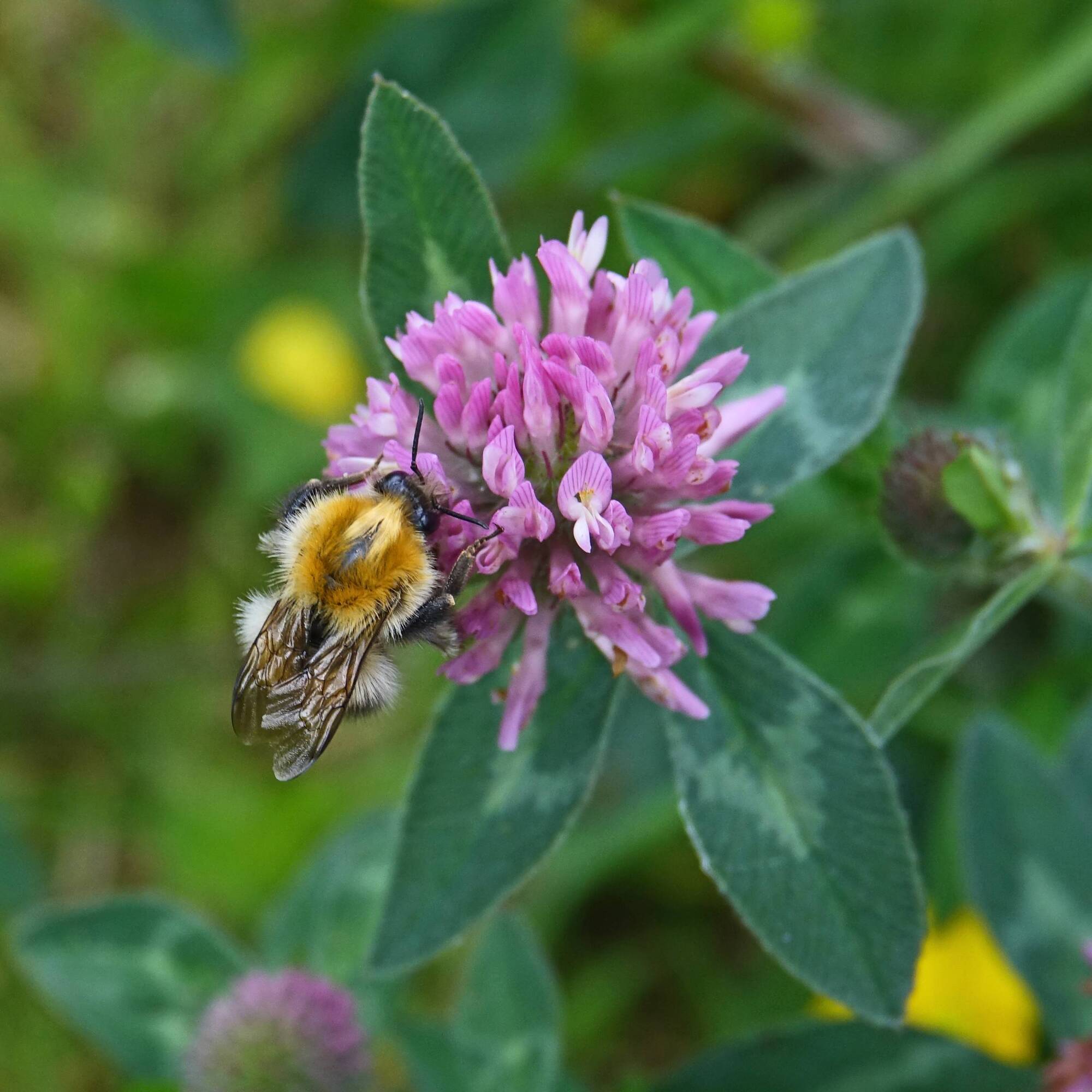
Traditionally farmland was very pollinator-friendly because it was naturally flower-rich
Farmland is vital for Ireland’s declining pollinators

While the honeybee is not in trouble, one-third of the country’s 98 wild bee species are threatened with extinction. Picture: Zoe Devlin


According to the National Biodiversity Data Centre, farming takes place on about 70% of the land cover in Ireland and farmland has experienced widescale loss of pollinators over the last 50 years.

The most important pollinators are insects, particularly bees and flies. Ireland has just one Honeybee; 98 wild bee species — including 21 Bumblebees and 77 Solitary bees — and around 180 Hoverfly species.

Other insects, such as butterflies, moths, beetles, wasps and ants also carry out some pollination services.

While the honeybee is not in trouble, one-third of the country’s 98 wild bee species are threatened with extinction.

Why do we needpollinators?

Pollination is the movement of pollen from flower to flower, which plays a vital role in the reproductive cycle of flowering crops — beans, oilseed rape, orchards and soft fruits.

Some 78% of Ireland’s wildflowers benefit from pollination by insects.

Without bees, the colourful and distinct natural beauty of the landscape would be lost.

Pollination ensures that plants will produce full-bodied fruit and viable seeds.

For crop producers, this means reliable yields of high-quality produce, and for consumers, it means the availability of a range of fruit and vegetables at an affordable price.

What is the problem?

Bees rely solely on flowers for food, and traditionally farmland was very pollinator-friendly because it was naturally flower-rich.

Pollination ensures that plants will produce full-bodied fruit and viable seeds.

There were hay meadows, annual flowers in cereal crops, more wildflowers along lanes and in field corners due to less spraying; more flowers in hedgerows due to less mechanisation; Ireland grew more of its own fruits and vegetables.

In the past 50 years, advances in farming have reduced the number of flowers, and as a result, there are fewer bees and other pollinating insects.

What can be done?

The second phase of the All-Ireland Pollinator Plan was launched earlier this year and farmland is an important part of the plan.

It aims to increase the amount of farmland that is managed in a pollinator-friendly way; encourage the sustainable use of pesticides; provide clear information and training on pollinators to the farming community; raise awareness and celebrate pollinator diversity on farmland; track changes in pollinators on farmland.

Small actions can make a big difference, allowing biodiversity to coexist within a productive farming system.

Flowering hedgerows are vital to the survival of pollinators, providing food, shelter and transport corridors.

Good hedges can provide food (flowers) from spring right through to autumn, shelter for overwintering, and act as corridors that help pollinators move through the landscape.

Native flowering hedgerow plants that are good for pollinators include willow, blackthorn, hawthorn, wild cherry, crab apple, elder, rowan, spindle, bramble, wild rose, ivy.

Pollinators need a supply of nectar and pollen from early spring to late autumn. It is important to allow wildflowers to grow around the farm.

Protecting flower-rich areas, like old pastures, wet grasslands, edges of ponds, woodland edges or areas of bogland should be prioritised because they are vital for pollinators and other wildlife.

Creating some nesting habitat for bumblebees, mining solitary bees and cavity-nesting solitary bees on the farm can also be achieved and it is also necessary to minimise artificial fertiliser use.

Pastures that included clover and other legume rotations were more common before the arrival of chemical fertilisers and are becoming relevant again as a way of reducing costs.

Clovers and other legumes are very rich in nectar and pollen, providing bees and other insects with an important source of food.

Initiative and partnership

‘Protecting Farmland Pollinators’ is a European Innovation Partnership project funded through the Department of Agriculture, Food and the Marine.

It is being run by National Biodiversity Data Centre (2019-2023) and involves ecologists and a group of 40 pilot farmers working together to structure a scheme that works for everyone.

The aim of the project is to show that any farm, regardless of type or intensity level, can become more pollinator friendly.

Based on the simple management actions listed above, the farmer gets a pollinator score for their whole farm.

The more of these pollinator-friendly habitats they have, the higher the score and the more they get paid each year.

Farmers can see their progress and understand how to improve if they wish.

“The adoption of simple changes and encouraging nature-friendly farming practices can help our pollinating insects,” a spokesperson added.

“Success also relies on properly communicating with farmers, recognising their efforts, and in developing pragmatic and realistic mechanisms by which they can help.

“In the first five years, working together with farmers, we have made a very positive start and we look forward to the next phase.”

  • Ruth Wilson, Farmland Pollinator Officer, National Biodiversity Data Centre.

More in this section

Farming

Newsletter

Keep up-to-date with all the latest developments in Farming with our weekly newsletter.

Cookie Policy Privacy Policy Brand Safety FAQ Help Contact Us Terms and Conditions

© Examiner Echo Group Limited