Rising animal feed prices give Irish farmers an advantage
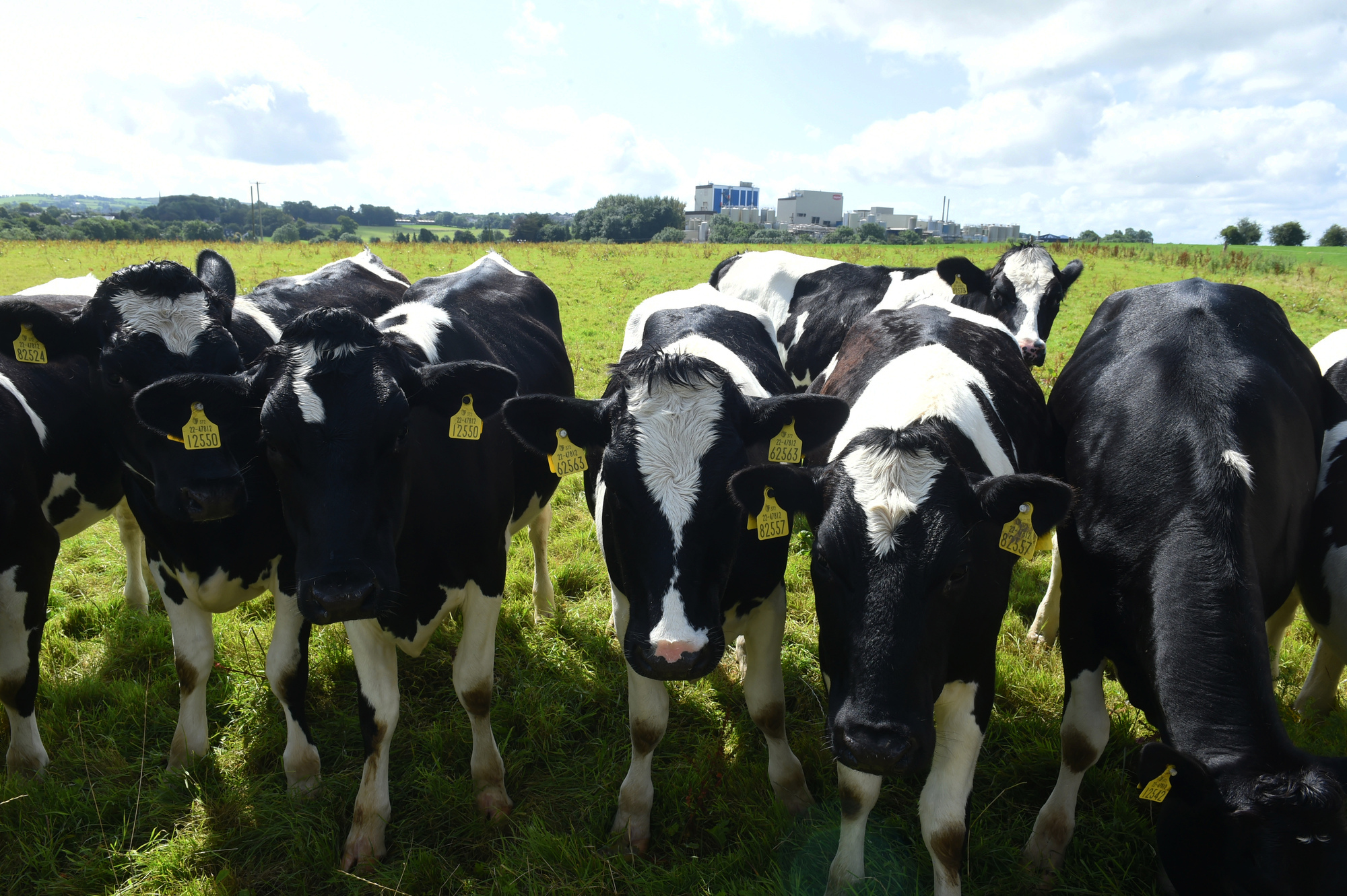
Rising worldwide feed prices offers a chance for Irish farmers to take advantage of their more competitive grass-based systems. Picture: Larry Cummins.
Animal feed was only 2.6% dearer last November than one year previously. But the latest figures from the Central Statistics Office have confirmed that the year-on-year price rise increased to 10.2% by June.
In the case of feedstuff “straights”, the year-on-year price rise has gone from 8.4% last November to 15.6% in June.
When taken in conjunction with year-on-year price rises for energy and fertilisers of about 17% for both, farmers rightly fear that galloping inflation could eat up any benefit of this year’s improved selling prices for livestock and milk.
Thankfully, that is not yet the case, with the Central Statistics Office’s figures for June indicating that overall, Irish farmers are 4.5% up year-on-year when the trends of prices for their produce and for farm inputs are compared. That's how much the "terms of trade" had improved year on year, according to CSO statistics for June (mostly thanks to milk and beef prices rising by 16-17%, and sheep prices by nearly 27%).
And farmers can console themselves somewhat with the thought that the rising price for animal feed is a worldwide trend, and offers a chance for Irish farmers to take advantage of their more competitive grass-based production systems.
In the second half of 2020, the average global price for feed to produce 100 kg of milk rose 50%, from $20 to $30, according to the IFCN Dairy Research Network. The feed price reached levels not seen since early 2014. Before then, only in 2011 and 2012 and a short period in 2008 had dairy farmers around the world averaged more than $30 for feed (based on feeding 70% maize and 30% soya) to produce 100kg of milk, according to 15 years of IFCN records for 65 countries.
The feed price is up 40% in the two years to January 2021. IFCN says global feed prices are high due to tight supply in major grain-producing countries, and increasing demand for feed.
This will cause dairy farmers around the world to change their feeding in ways that can impact milk contents and production negatively. Milk production may fall on farms more dependent on purchased feed.
Similar trends are at work in global production of beef and other meats.
Dairy and meat prices may rise due to falling supply.
As a result, livestock farmers all over the world have difficult production decisions to make.
Many experts believe that markets for animal feeds will remain strong over the next few years. For livestock industries trying to cope with the Covid-19 effects on markets, and with pressure to become carbon neutral, high feed costs are an unwanted extra problem.
In the dairy industry around the world, the usual effect is small and mid-sized operations being forced out of business, and the increasing dominance of “megadairies'' with tens of thousands of cows. They are better positioned to weather the volatilities of the global market they deal in.
The rise of “megadairies'' can explain why the US Department of Agriculture forecasts that milk production in the US will rise by 2.1% in 2021 (despite rising feed costs), due to gains in yield per cow as well as a slight increase in the number of milk cows.
The USDA also predicts the price received by farmers for milk in 2021 will grow by 3.9%; not unexpected, because the global milk price closely follows the price for animal feed.
At the July meeting of EU farming ministers, the Croatian delegation said feed prices in the country have reached their highest levels in seven years. Croatia called on the European Commission for financial support or other effective mechanisms to support the livestock sector and was supported by two-thirds of other member states.
Ministers said high feed prices could affect the post-pandemic recovery of the meat sectors, which are also under constant threat from African swine fever and avian influenza.
Agriculture Commissioner Janusz Wojciechowski tried to reassure the concerned countries, saying that feed prices were likely to go down, and that CAP subsidies kick in during price crises.
Previously, Spain and other member states had complained about price increases of between 25% and 60% in international animal feed prices, in particular for soya bean meal, but also for maize, wheat, and barley.
High feed costs are having a particularly negative impact on the thin profit margins of many EU dairy farms. However, the European Dairy Association said that the biggest source of feed protein in Europe is roughage, almost entirely grown on-farm, and higher feed prices could impact pork and poultry sector more than dairy.
Closer to home, the Agriculture and Horticulture Development Board in the UK has warned of the risks for farmers around further increases in feed prices in the winter months. AHDB figures indicate that UK dairy farmers feed between 0.166 and 0.348 kg per litre of milk, and that feed is taking a larger share of the milk price this year.
Here in Ireland, IFA says grain prices are rising, leaving current prices paid for pigs barely covering the cost of production.
On the other hand, Ireland’s grain growers will hope to gain from rising prices. It looks like global markets are finally bringing supply and demand into balance. Years of low prices discouraged grain growers while stimulating demand (from expanding livestock industries feeding cheap grains).
Covid-19 disruptions in the global shipping industry have also boosted the prices of globally traded feed ingredients.
With the global supply and demand for feed ingredients roughly in balance, events that impact supply or demand will increase price volatility, but the current cycle of elevated prices will prevail until either record yields or bad weather which cuts yields and drives prices even higher.
And with market speculators waiting to pounce on every signal, volatility is fuelled further.
Earlier this month, poor harvest results in western Europe and Russia helped to push wheat prices up 5% overnight, even as maize rose 2.9%, lifted by sharp cuts in US and Brazilian yields.
Soya bean prices bounced 3% higher due to a sharp cut in yields and stronger export demand.
In contrast, a few weeks earlier, wheat and maize prices fell 2%.
In June, agri-commodity prices dropped 10%. More recently, bad weather in Brazil will further boost maize prices (as well as supporting the 50% price rise for Arabica coffee).
There is no mistaking the overall direction of travel, with global soft commodity prices now at their highest value since 2011, and investment advisers talking of a “commodity supercycle”.