New publication explores cultural importance of ‘Wood as a Fuel’
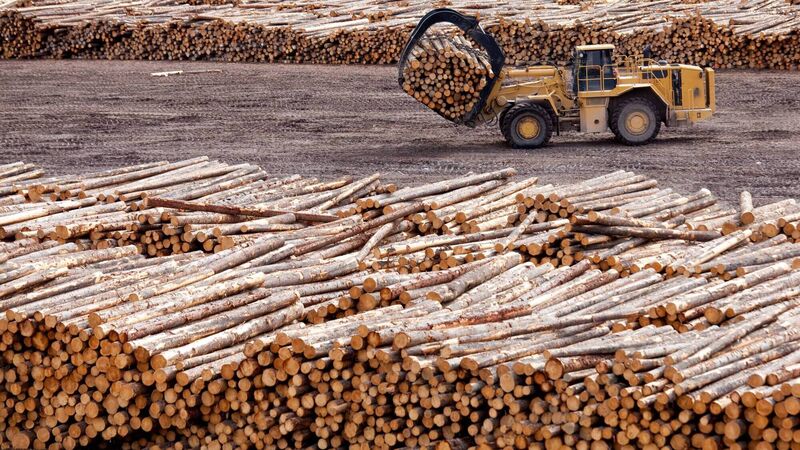
In 'Wood as a Fuel' a comprehensive report that covers all aspects of woodfuels, based on the latest information and evidence, is provided. File Picture.
A new publication entitled ‘Wood as a Fuel’ has been published by the Department of Agriculture, Food and the Marine.
Written by Pieter D Kofman and Eugene Hendrick, the publication is a wide ranging, comprehensive report that covers all aspects of woodfuels, based on the latest information and evidence.
Its five volumes describe the main wood fuels - firewood, woodchip and wood pellets - and details information on raw material sources, seasoning, drying and production processes, transportation and quality issues.
Minister of State at the Department of Agriculture, Food and the Marine, with responsibility for forestry, Senator Pippa Hackett pointed to how wood is of significant cultural importance in Irish history, and how generations of people have relied on wood as a fuel to heat their homes.
“This publication provides detailed information on raw material sources, production processes, transportation and quality issues are described for each of the fuels,” she added.
“Many examples of ways to improve product quality and efficiency are provided, designed to enable readers to produce and use high quality woodfuels.”
Meanwhile, the publication also outlines the latest practice and evidence about wood combustion and modern uses of woodfuel, and how their sustainable use contributes to tackling climate change.
It is anticipated that the book will open a new window into woodfuels, providing an essential reference for all those engaged along the woodfuel chain.
“In Wood as a Fuel we have aimed to present woodfuels and their use in a clear and easily understood way, so growers and contractors supplying forest biomass for processing, and those manufacturing bioenergy products, can do so in an efficient, cost effective and sustainable way,” said Mr Kofman.
As authors we have also placed an emphasis on the use of ISO solid biofuels standards, as these now offer an internationally agreed way to trade and transact most of the woodfuel types on the market.”
Co-author, Mr Hendrick added: “Bioenergy, and woodfuels in particular, when specified according to ISO standards and sustainably sourced provide a recognised way to tackle the climate emergency through displacement of fossil fuels.
“Efficient and clean ways to combust forest biomass are key, to maximise the economic return and deal with air quality.”