Without a Brexit trade deal, the average income on Irish beef farms could drop by 40% in 2021, according to Teagasc experts.
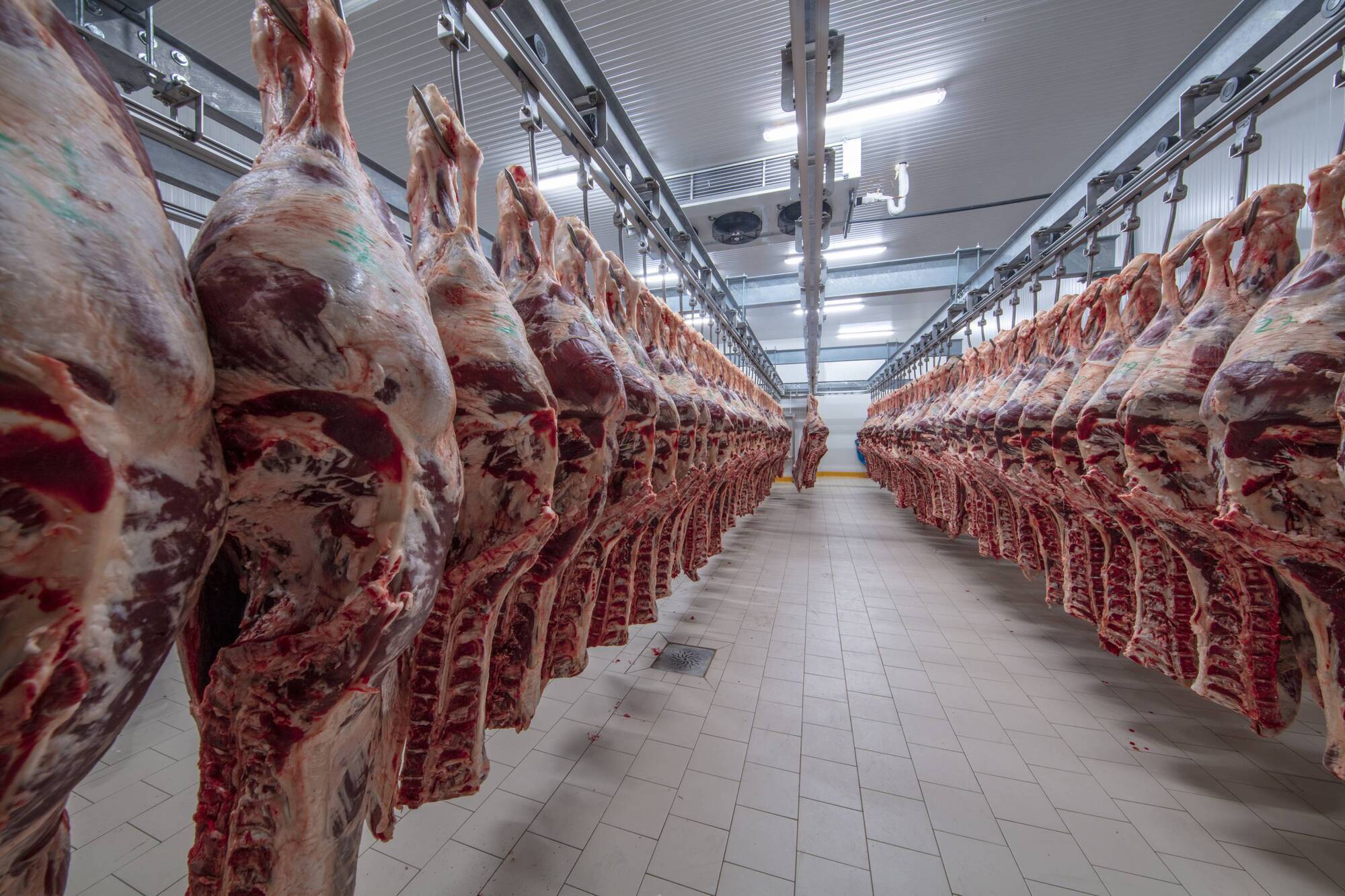
The UK market has traditionally been Ireland’s second “home” market for beef, and is estimated to have taken 47% of Irish beef exports so far this year.
If tariffs at the rate indicated by the UK government earlier this year are imposed, in the event of no trade deal being agreed with the EU, Irish exports to the UK are likely to collapse dramatically in 2021, said contributors to the Outlook 2021 Economic Prospects for Agriculture report published by Teagasc this week.
“Irish agriculture faces an enormous challenge in 2021 if no post-Brexit trade deal emerges,” said the Teagasc experts.
Beef farms would be hardest hit, with the 40% income slump assumed “in the absence of very significant Brexit specific income support.”
Teagasc experts said their income analysis for 2021, in the event of a no trade deal Brexit, provides an indication of the scale of the support that would be needed to mitigate the impact of Brexit on Irish farming incomes.
With tariffs, Irish exports to the UK would decline, and prices would fall by about 20%, 8%, and 7% respectively, for cattle, pigs and milk in 2021.
Brexit could drag the average dairy farm net profit margin per hectare down 23% in 2021, from this year’s estimated €1,302 to €1,004.
Irish lamb prices would rise by 7% in 2021, because a Brexit exclusion of UK lamb exports from the EU would boost EU and Irish lamb prices.
Nevertheless, the average sheep farm’s income would still fall by 4% in 2021, because many sheep farmers also have a cattle enterprise, which would experience significant losses.
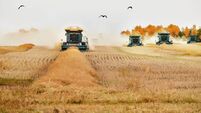
Imposition of Brexit tariffs on grain imports from the UK could offset an expected fall in international prices for harvest 2021.
A 3% rise in the average cereal farm income is projected by Teagasc, based mainly on a recovery in yields from this year’s low point.
For Irish agriculture, a no-trade deal Brexit outcome could knock €690m off farm income, or €20,200 for the average family farm, assuming that no additional support is made available to address the impact of lower prices.
However, it is likely that additional support would be provided by the EU and the Irish Government.
Nevertheless, the Brexit threat hangs menacingly over what would otherwise have been relatively good prospects for agriculture, and estimates that average family farm income is on the way to a 6% increase in 2020, boosted by cheaper animal feed, fertiliser and fuel, and additional subsidy supports for cattle farms to alleviate the effects of Covid-19.
Unexpectedly, the impact of Covid-19 restrictions on the Irish agri-food sector has been minimal, albeit that additional support was made available to the beef sector, when it was hit by restrictions in marts, a short term contraction in beef processing, and lower beef prices.
Trevor Donnellan of Teagasc said the economic impact of Covid-19 on the Irish economy has been uneven, with distribution and transport, arts and entertainment, suffering the biggest setback, while manufacturing prospered, and agriculture, food processing, and the public sector were largely unaffected.
But unemployment has increased substantially, to 20% in recent weeks when Pandemic Unemployment Payment recipients are factored in.
Good conditions for grassland agriculture in 2020 and reduced production costs, helped dairy, beef and sheep farmers. On the other hand, Irish grain growers had to deal with 2020 weather conditions which substantially reduced yields on some farms.
Meanwhile, efforts are being made to avoid the Brexit storm clouds, with some Irish exporters moving to avoid the initial impact of tariffs by exporting product in 2020 and placing it in storage in the UK.
Cheese exporters, for example, have adopted this tactic, and those stocks now stored in the UK will not be subject to tariffs when marketed.
Teagasc calculations also include product once destined for the UK being absorbed in 2021 by other markets, but at lower price levels.
Nevertheless, Irish milk prices are still expected to fall 7% next year, if there is a no-deal Brexit.
“Hard” Brexit milk price reductions would be processor-specific, dependent on their exposure to the UK market, noted Teagasc experts.
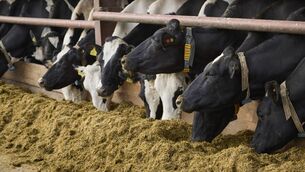
They said their no trade deal assumption is consistent with the Government of Ireland’s operating assumption. For cattle, it could cut 19% off steer, weanling and store prices, and 10% off calf prices.
The resulting average gross profit margin is forecast to decrease by 36% on suckler farms, and by 41% in beef finishing. Brexit therefore poses an urgent challenge to develop new markets for Irish beef. Even with a trade deal, the returns on the UK market will decline, said Teagasc.
Pig prices are forecast to fall by 10% in 2021, to 158c per kg deadweight, with falling Chinese imports an expected major price factor.

Looking for a thoughtful gift?
Irish Examiner Gift subscriptions are now available.
Already a subscriber? Sign in