Agrifood growth:  From uncertainty to opportunity
Covid-19 and Brexit are shaping up to be a perfect storm but the agribusiness sector is showing resilience
Businesses supplying hotels and restaurants suffered more during lockdown. Picture: SkitterPhoto/Pexels
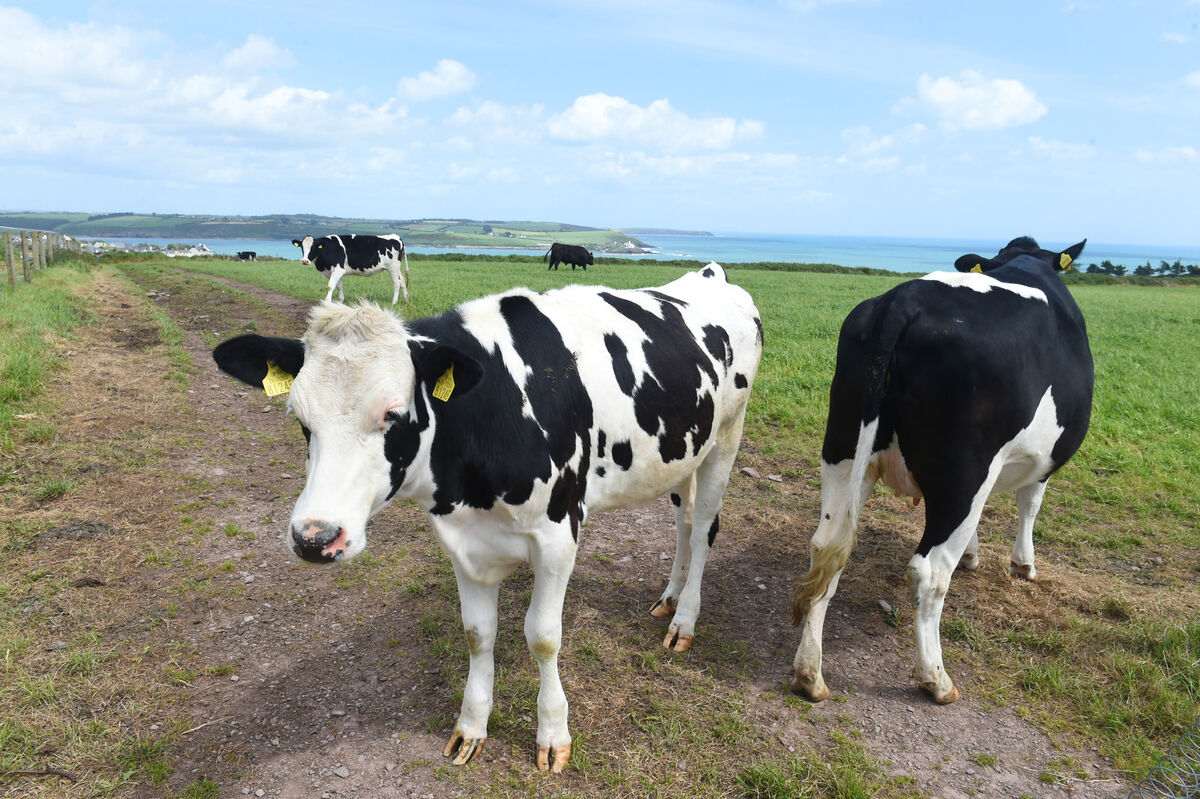
Businesses supplying hotels and restaurants suffered more during lockdown. Picture: SkitterPhoto/Pexels

The IFAC Food and AgriBusiness Optimism Index is at a three-year low, down from a high of 74% in 2018 to a low of 55% this year. Revenue has decreased for over half of businesses and more than six in 10 have availed of Covid-19 supports.

On a positive note, the findings of our annual report on the state of Irish food and agribusiness SMEs show that there is real resilience in the sector. We see this in the proactive steps businesses took to deal with the pandemic. Reducing costs, completing a cash flow, managing debtors, and investing in technology, including online trading, were the key actions taken.

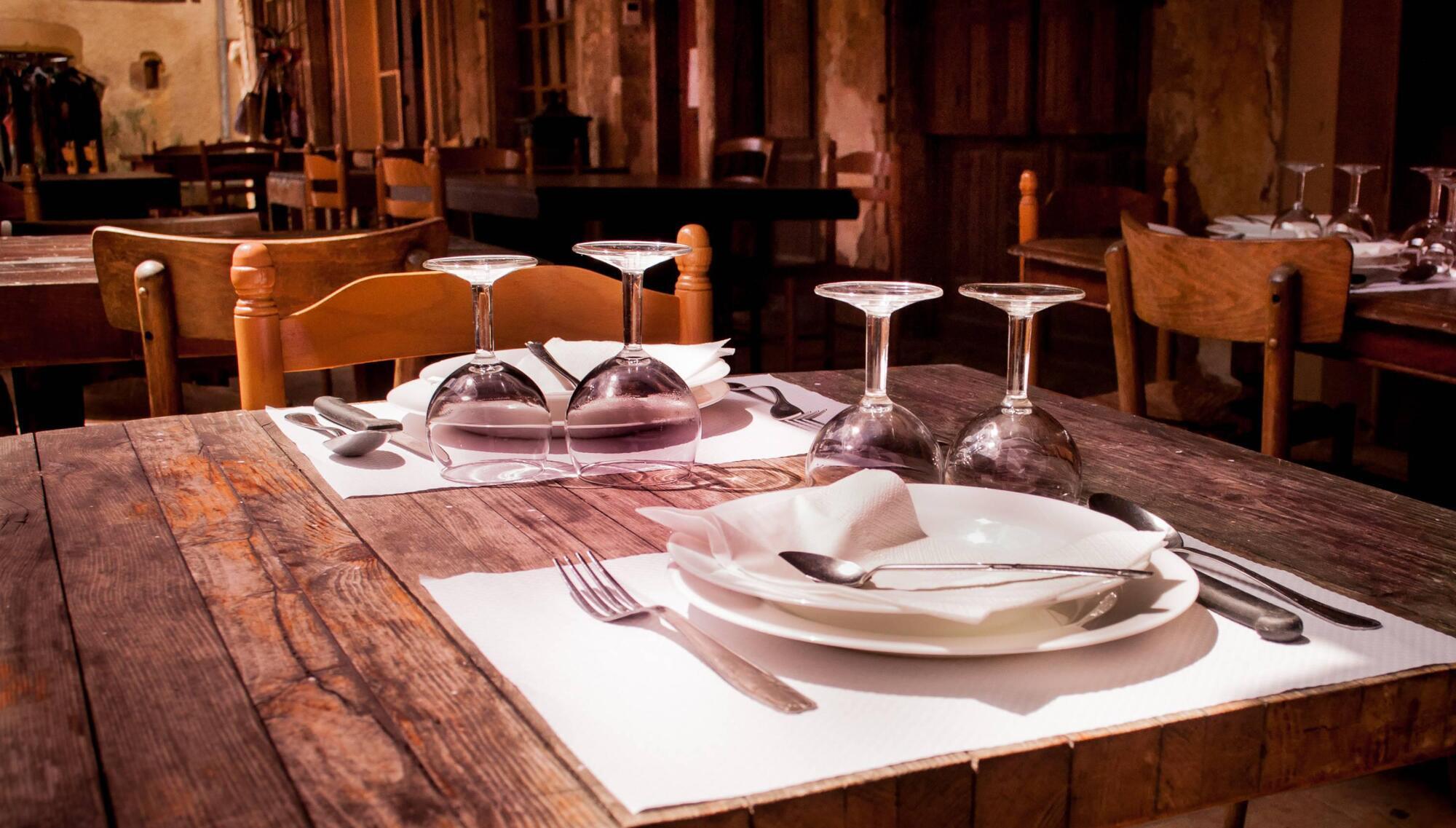
The agribusiness sector is showing real resilience in spite of the challenges. Picture: Larry Cummins

However, there is a divergence in experiences in the sector — those food businesses that were exclusively focused on supplying hotels and restaurants suffered significantly, while food businesses working with retail did well in general.

Agribusinesses did not suffer as much as other sectors; their farming customer base continued to farm all through the busy spring season.

Government supports played an important role. Six out of 10 businesses accessed some level of Covid-19 support ranging from the Temporary Wage Subsidy Scheme (39%), the Pandemic Unemployment Payment (28%), and loan payment breaks (17%).

Government investment in these supports over the coming 12 months will be important as the twin threats of the pandemic and Brexit loom.

While 48% of businesses had to make changes to employment conditions, only 10% laid off staff permanently. Nine out of 10 businesses expect to employ the same or more people in the coming year. During a pandemic with Brexit in the headlights, this shows deep confidence in the future of the sector.

Digital trends

Covid-19 has accelerated existing digital trends. More businesses are moving online, as offline market restrictions continue and consumer expectations change. Businesses that do not engage with digital change risk falling behind. We note a year-on-year increase of 54% in the number of food and agribusinesses that are trading online. This is welcome news. While trading online is not a panacea, we know that digitalisation is impacting on every part of businesses, not just front-end online trading, but also on all processes within a business.

Brexit, though, has certainly come back into focus, even if it was overshadowed by Covid-19 for the previous six months. January 1, 2021, will see a significant change in how we deal with our neighbours in the UK. Only 48% of businesses believe they are prepared for Brexit. Almost one in five is not ready at all. Medium-sized companies feel more prepared, with 59% reflecting an ability to allocate resources to Brexit planning. Increased costs, tariffs, loss of UK sales, and transport disruption are the main worries. Brexit, taking place in the middle of a pandemic, is shaping up to be a perfect storm for the sector.

Climate change is encouraging consumers to make more environmentally aware choices.

Sustainability is growing in importance too. Environmental measures to tackle climate change continue at pace with managing waste and by-products, sustainable packaging, choosing environmentally conscious suppliers, and engaging in energy-saving initiatives all top priorities for SMEs across the sector.


Consumer-driven

In many ways, the consumer is driving this agenda. A food client of ours ended up selling some of their product in plastic packaging as opposed to cardboard, due to the shortage of cardboard across Europe during the lockdown period in Q2. Consumer reaction was negative and sales dropped.

Food businesses managing their packaging proposition need to make sure it has strong sustainability credentials, looks well on a digital shelf, and gives an excellent home delivery experience.

Interestingly, nearly a third of respondents would consider selling their business in the next five years, a 60% increase on the 2019 figure. Reasons include retirement, tight margins, and the difficulties of trying to recover from the impact of Covid-19. The challenges and realities of operating a small business should never be underestimated.

This is an incredible time to be running a business. Preparing for Brexit is now non-negotiable, investing in digital capacity and capability will separate the winners from the losers, and being acutely aware and reacting effectively to a changing consumer is more important now than ever.

David Leydon is head of food and agribusiness with IFAC. www.ifac.ie

x

More in this section

Farming

Newsletter

Stay ahead of the season. Sign up for insights, expert advice and stories shaping Irish agriculture.

Cookie Policy Privacy Policy Brand Safety FAQ Help Contact Us Terms and Conditions

© Examiner Echo Group Limited